Biggest Beauty Trends of 2025: What Actually Worked
If there’s one thing we learned in 2025, it’s that beauty is finally getting real. After years of 10-step routines, overhyped products, and enough TikTok microtrends to make your head spin, this year brought a collective exhale. We stripped things back, got honest about what actually works, and started prioritizing skin health over perfection.
Now that we’re wrapping up 2025, let’s talk about the trends that actually stuck around—the ones that weren’t just flash-in-the-pan moments but genuinely changed how we approach beauty.
1. Deinfluencing Became the New Influencing
Remember when every creator was telling you what to buy? Well, 2025 flipped the script. Deinfluencing—the trend of telling people what not to buy—absolutely dominated social media, with the hashtag racking up over 686 million views on TikTok.
Why it worked:
We were tired. Tired of overconsumption, tired of impulse buys that didn’t live up to the hype, and tired of our overflowing makeup drawers. Deinfluencing tapped into something real: the desire to be more intentional with our purchases and stop falling for every viral product.
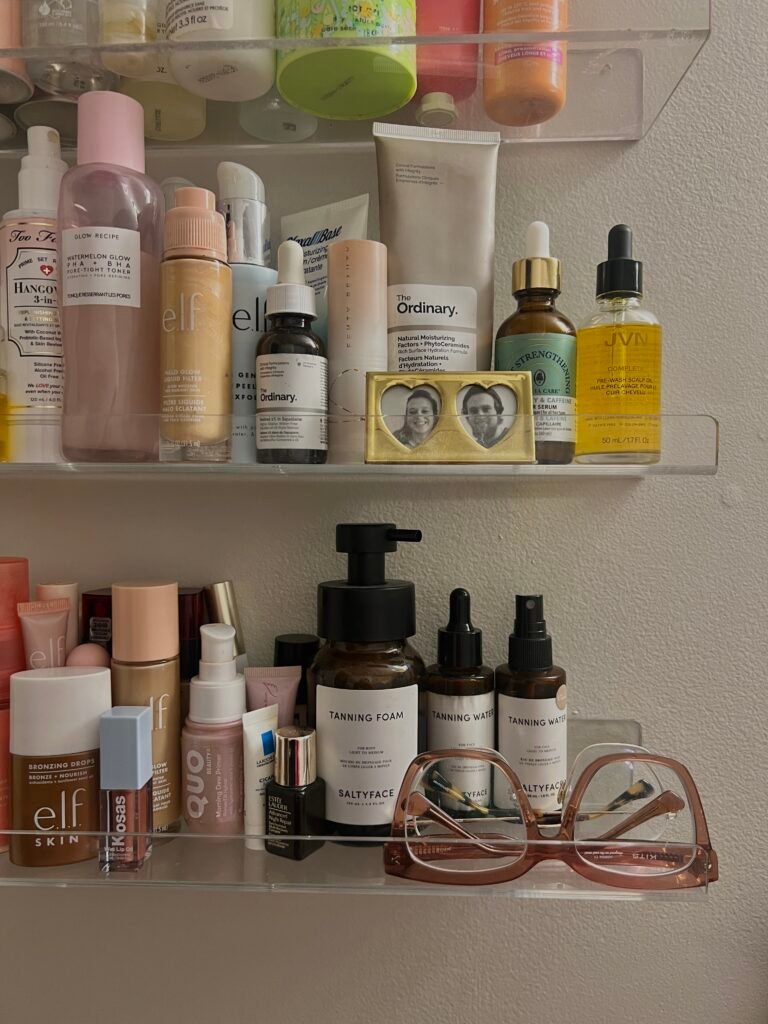
Creators started calling out overhyped products with honest reviews, suggesting better (often cheaper) alternatives, and encouraging followers to shop their own stash before buying anything new. The movement even spawned “Project Pan”—a trend where people committed to using up products before buying new ones.
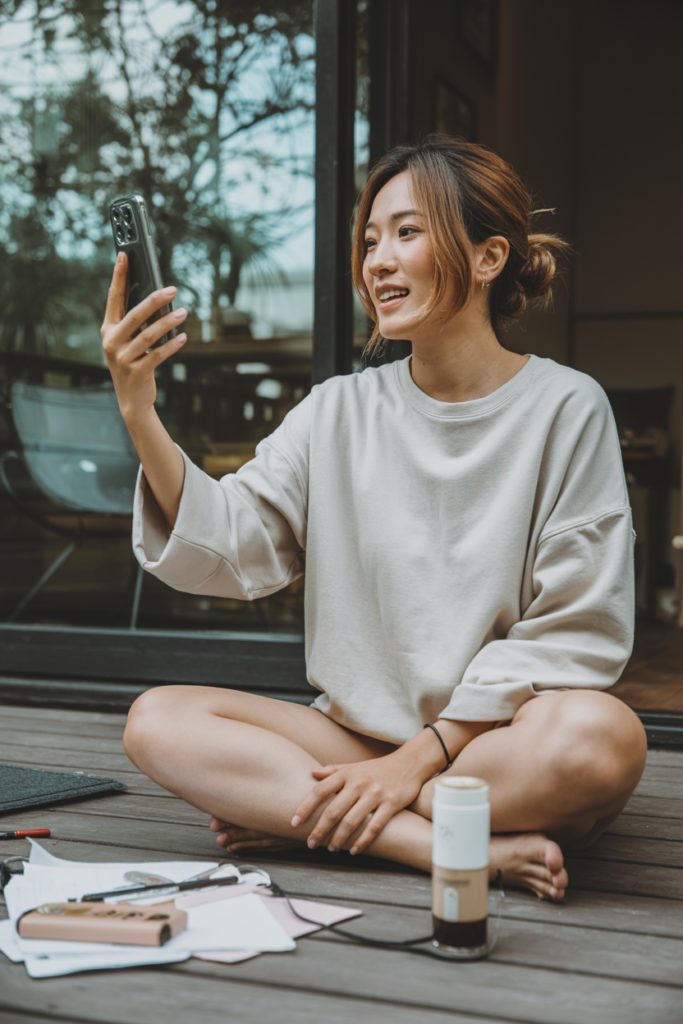
What’s wild is that this “anti-trend” became a trend itself. But unlike previous movements, deinfluencing actually pushed back against mindless consumption and helped people make smarter choices. Even brands had to adapt, with many embracing more transparent marketing and honest product claims.
The products that got deinfluenced the most:
- Charlotte Tilbury Pillow Talk Lipstick (drugstore dupes worked just as well)
- Drunk Elephant Protini Cream (too expensive for what it does)
- Dior Lip Glow Oil (the $8 alternatives performed identically)
- Dyson Airwrap ($600 was just too much for most people)
The takeaway? We’re done being sold to. We want honesty, transparency, and real value.
2. Skinimalism: Less Really Was More
If 2024 was about elaborate routines, 2025 was about stripping them down. Skinimalism—the blend of “skin” and “minimalism”—became the year’s defining skincare philosophy.
What it looked like:
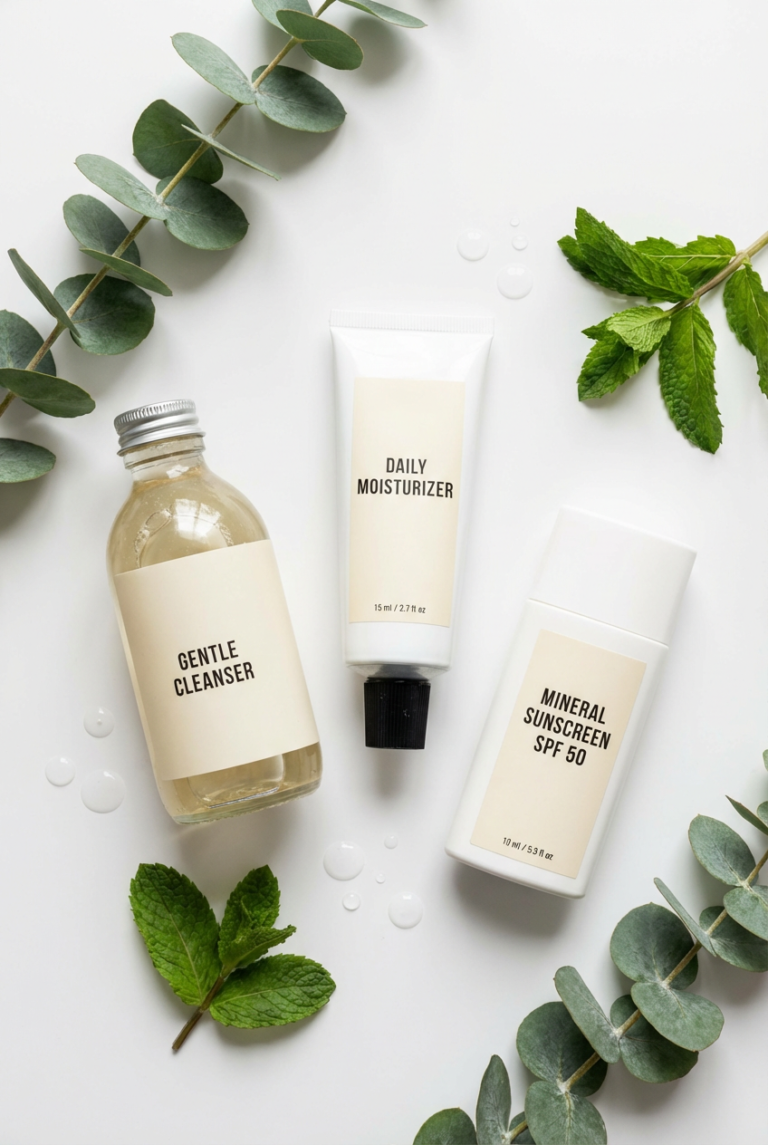
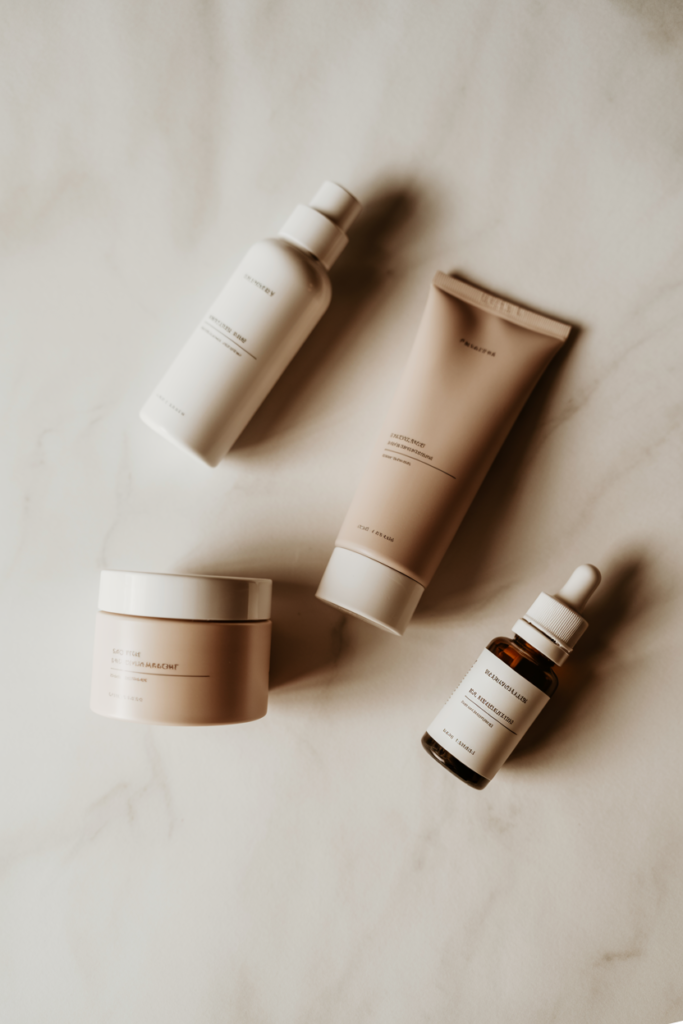
Instead of layering 12 products morning and night, people focused on a curated selection of high-quality, multifunctional products. Think: cleanser, treatment serum, moisturizer, and SPF. That’s it.
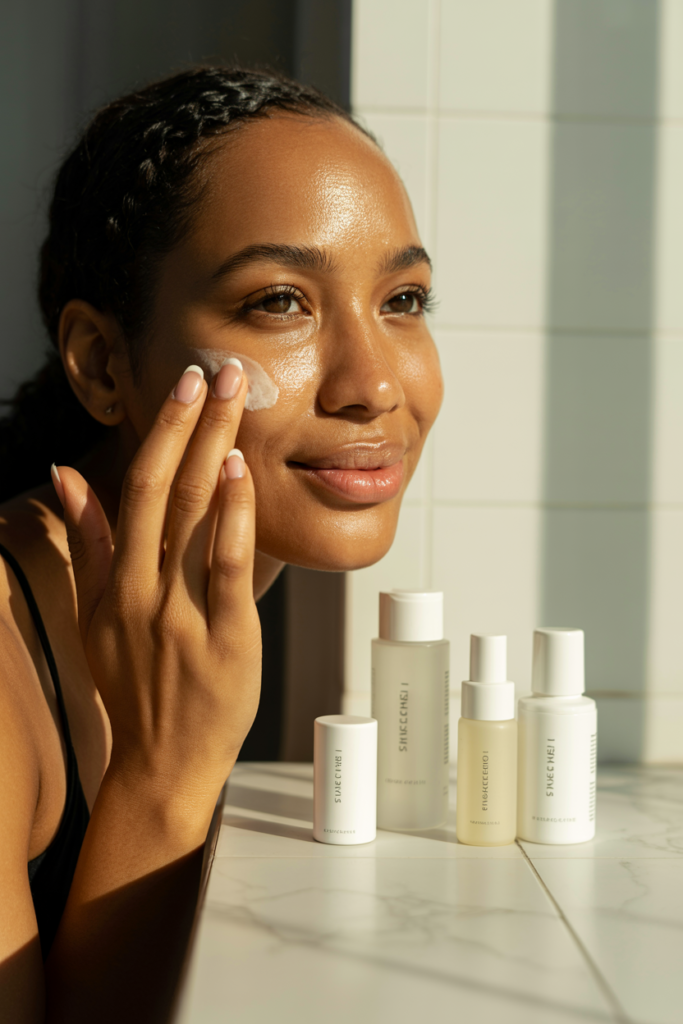
The trend was driven by several factors: post-pandemic reassessment of beauty habits, skin barrier fatigue from overuse of actives, and a growing desire for sustainability. According to trend reports, over 70% of Gen Z and Millennial shoppers now prioritize “multi-functional” and “low-irritation” when shopping for skincare.
Why it actually worked:
Healthier skin: Fewer products meant less irritation and better barrier function. Turns out, your skin doesn’t need 47 different actives battling it out on your face.
Cost-effective: Investing in a few quality products saved money compared to buying every trending serum that popped up on your feed.
Sustainable: Less product waste, less packaging, less environmental impact.
Time-saving: Who actually has time for a 30-minute skincare routine twice a day? Skinimalism made self-care feel manageable again.
Brands responded by creating multitasking products: tinted SPFs, moisturizers with treatment ingredients, and all-in-one serums. The Ordinary, with its minimalist approach and transparent formulations, saw a major resurgence as consumers embraced “fewer, better” products.
3. Butter Skin Replaced Glass Skin
Move over, glass skin. 2025 was all about butter skin—and Google searches for the trend increased by over 300% throughout the year.
What is butter skin?
While glass skin aimed for a high-shine, poreless, almost reflective finish, butter skin is softer and more natural. Think of butter melting on warm toast—that’s the vibe. It’s hydrated, smooth, luminous, and velvety without being overly glossy or greasy.
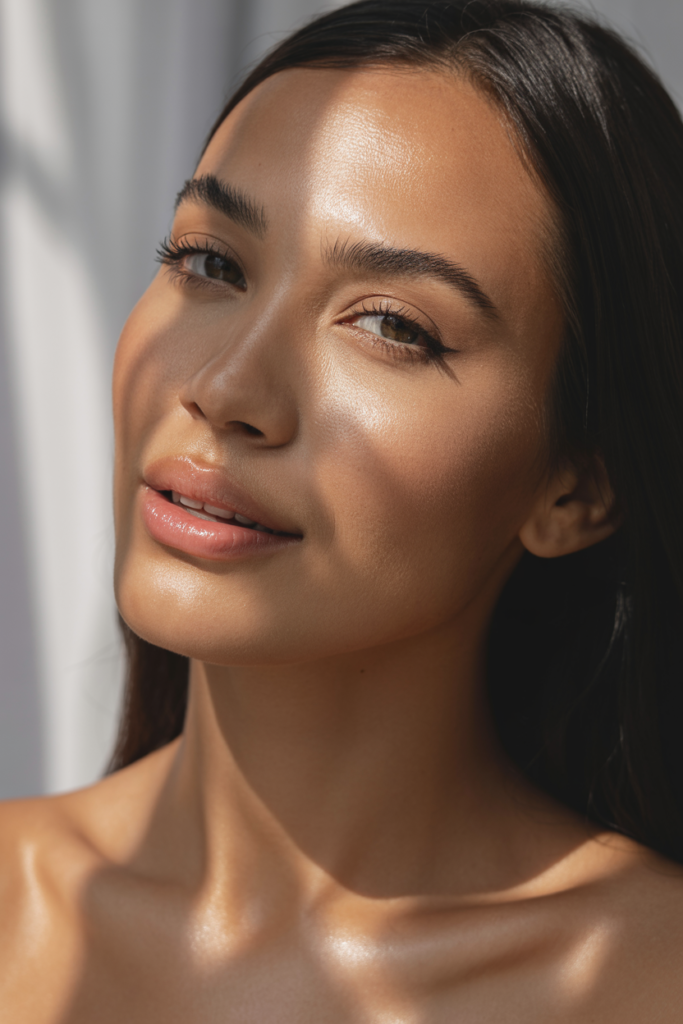
The look emphasizes a satin finish rather than a wet one, with skin that looks plump, soft, and touchable. Celebrities like Daisy Edgar-Jones and Dakota Johnson championed the soft-focus aesthetic on red carpets throughout the year.
How people achieved it:
Skincare: Deep hydration was key. Multiple layers of lightweight, hydrating products (essences, serums, moisturizers) created that plump, smooth texture.
Makeup: Lightweight, skin-like bases with satin finishes became essential. Tinted moisturizers, skin tints, and dewy foundations replaced full-coverage matte formulas. Cream blushes and bronzers were applied with a light hand for a natural flush.
The technique: The secret was in the setting. Instead of heavy powder all over, people used velour puffs to lightly press translucent powder only where needed, letting the natural glow peek through.
Why it worked: Butter skin felt achievable. It didn’t require poreless skin or professional-level application—just good hydration and the right products. It was forgiving, wearable, and worked for all skin types.
4. The Return of Eye Makeup (Finally)
For years, beauty was all about blush, glowy skin, and lip products. But in 2025, eyes came roaring back—and the data backed it up. The UK eye makeup market saw a 6% increase, outpacing overall industry growth.
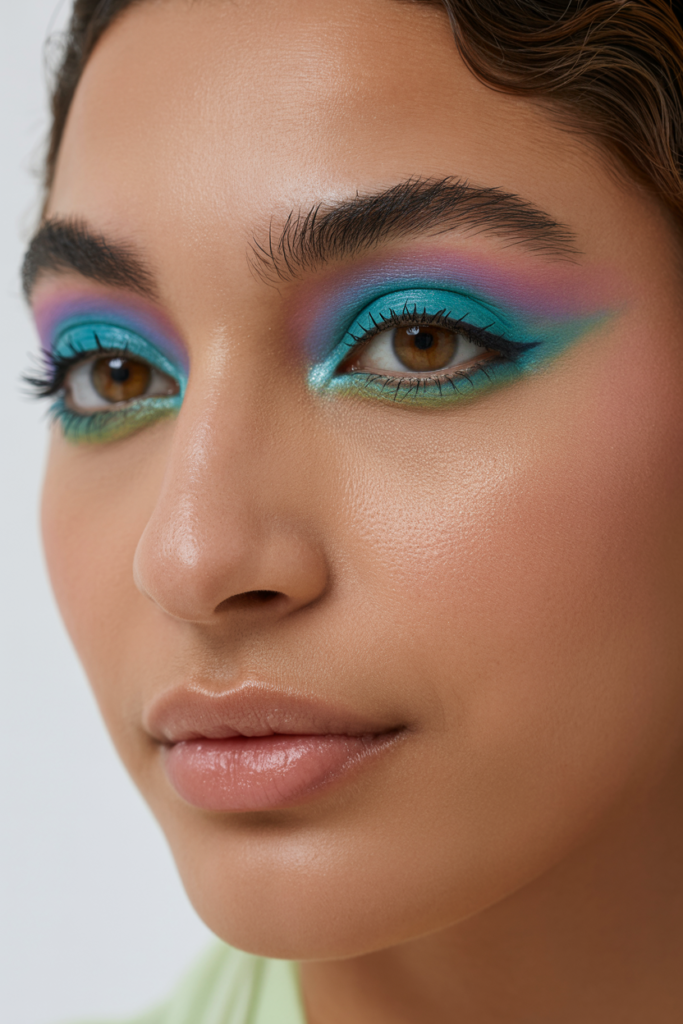
The trends that dominated:
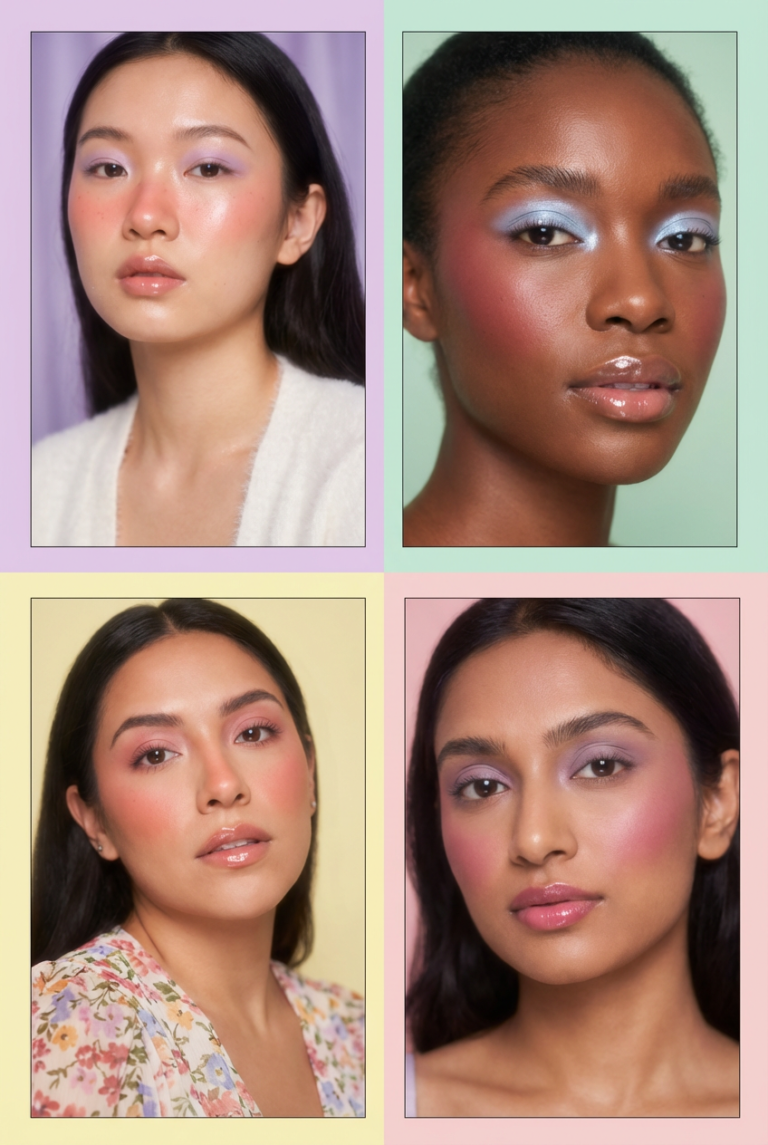
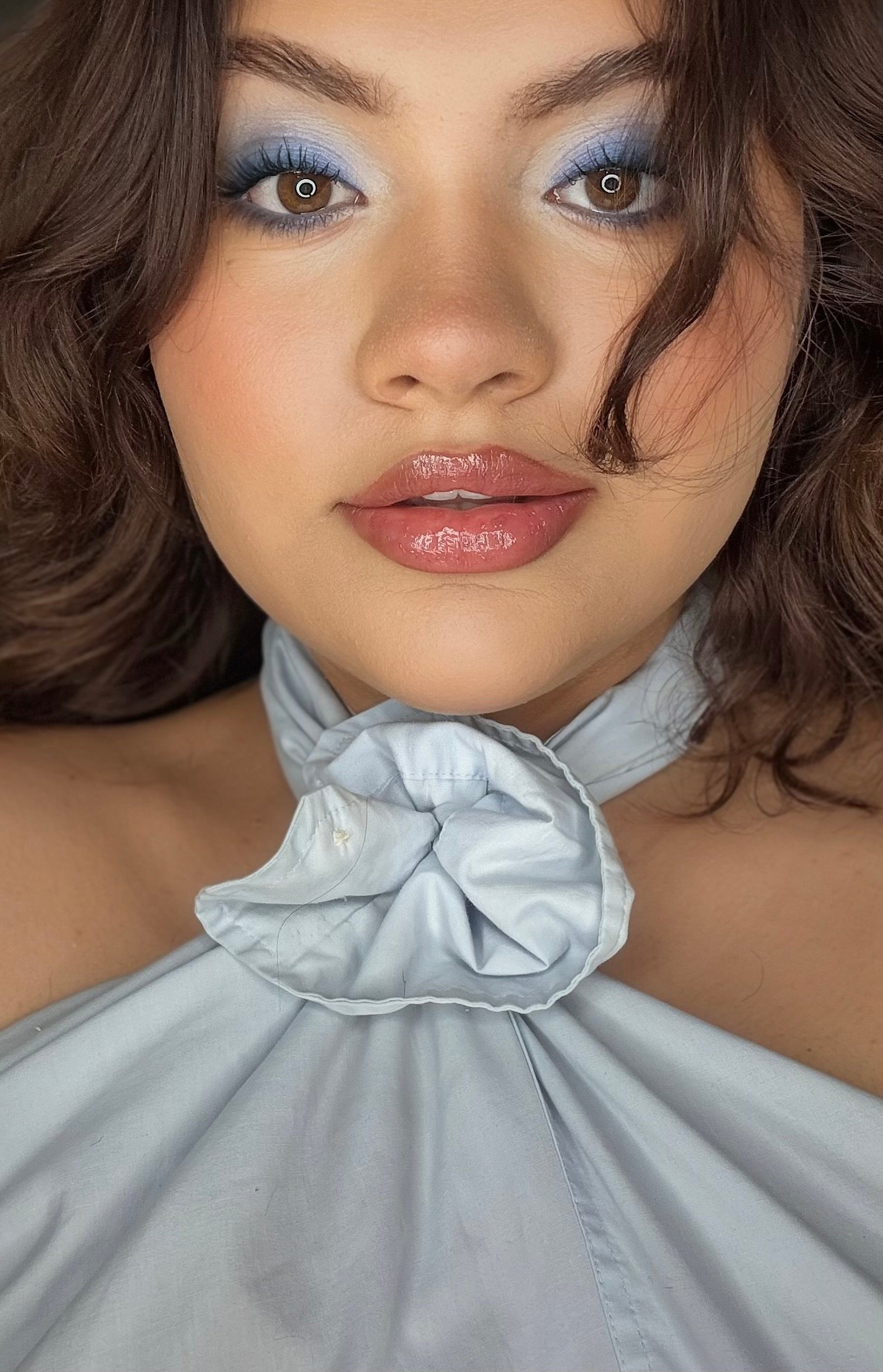
Colorful eyeshadow: After years of neutral minimalism, people embraced color again. Turquoise lids, pastel washes, and icy metallics showed up everywhere from runways to everyday looks.
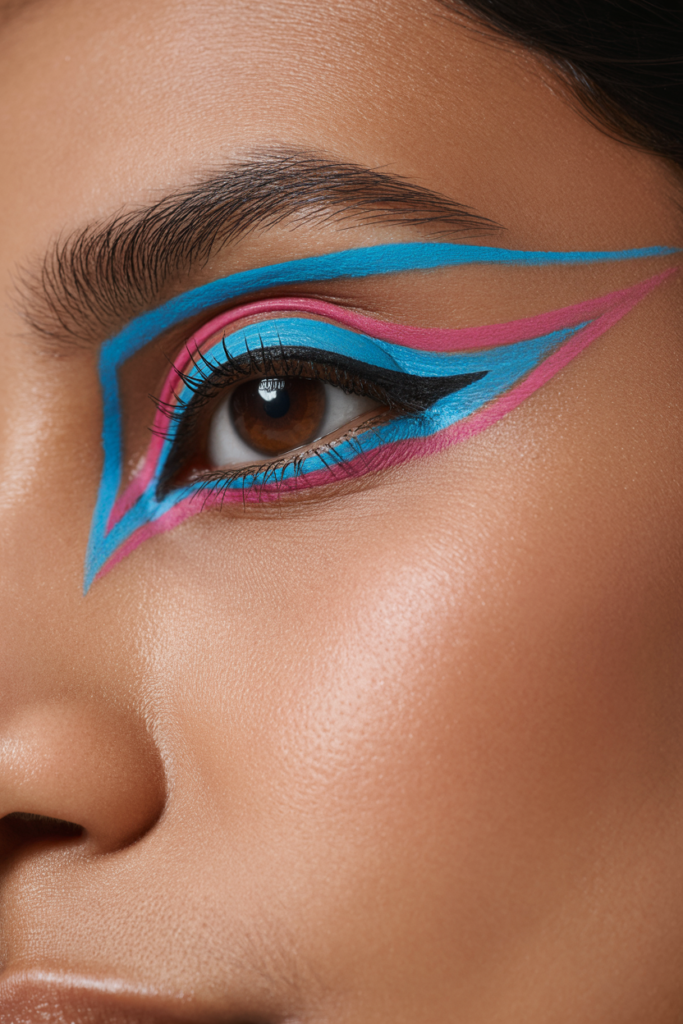
Statement eyeliner: Graphic shapes, negative space designs, and colored liners made eyes the focal point again.
Frosted finishes: A nostalgic nod to early 2000s beauty, frosted whites, sheer lavenders, and icy blues made a comeback—but more refined and wearable this time.
Mascara experiments: Colored mascara (especially teal and neon pink) became surprisingly wearable, with people layering it over black for a pop of color.
Why it worked:
People were ready for something different. The “clean girl” aesthetic had dominated for so long that bold, expressive eye looks felt fresh and fun. Plus, with better products on the market (long-wearing formulas, easy-to-use cream shadows, innovative liners), creating statement eyes became more accessible.
5. Blurred Lips Over Precise Lines
Crisp, overlined lips? Out. The French-girl, blurred, “I just ate a popsicle” lip? Very much in.
What it looked like:
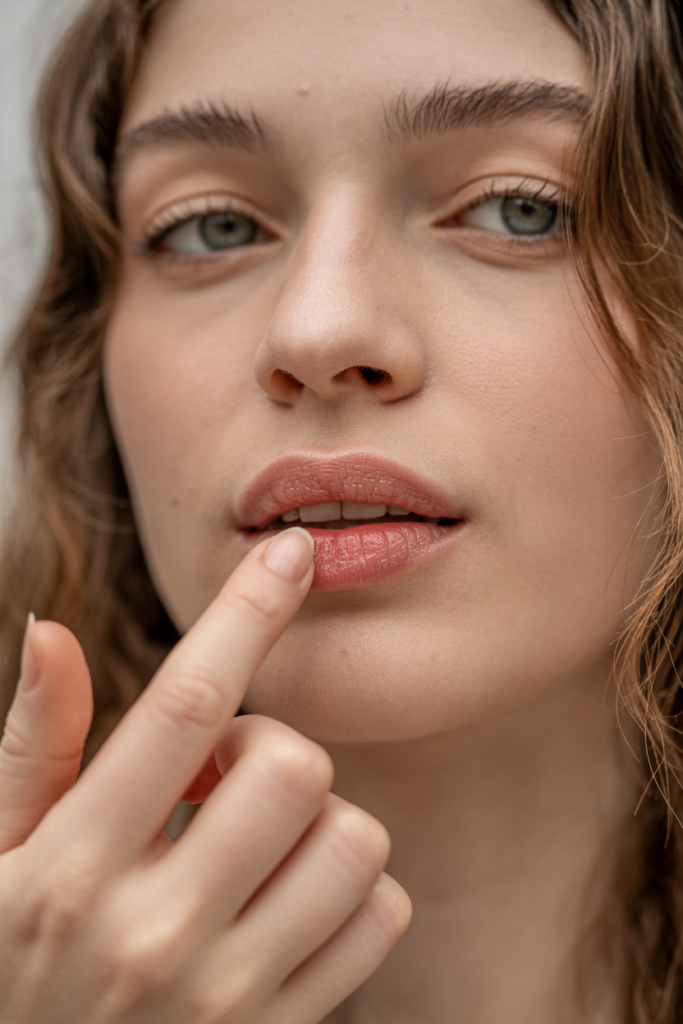
Instead of precise lip liner and matte liquid lipsticks, 2025 was all about soft, diffused color. Products like Rhode’s Peptide Lip Shape, Refy Lip Blur, and Merit Lip Sheer Lip Liner became massive hits because they were designed for blending, not precision.
The application method was simple: apply lip color, then use your finger to blur and diffuse the edges. Or apply directly with fingers for a naturally stained effect. Top with gloss for extra shine.
Why it worked:
It looked effortless and real. No one’s lips are naturally perfectly lined and matte. The blurred lip trend embraced texture, movement, and a more lived-in aesthetic. Plus, it was way easier to apply (no steady hand required), and it felt modern without being overly done.
6. Tinted SPF Became Non-Negotiable
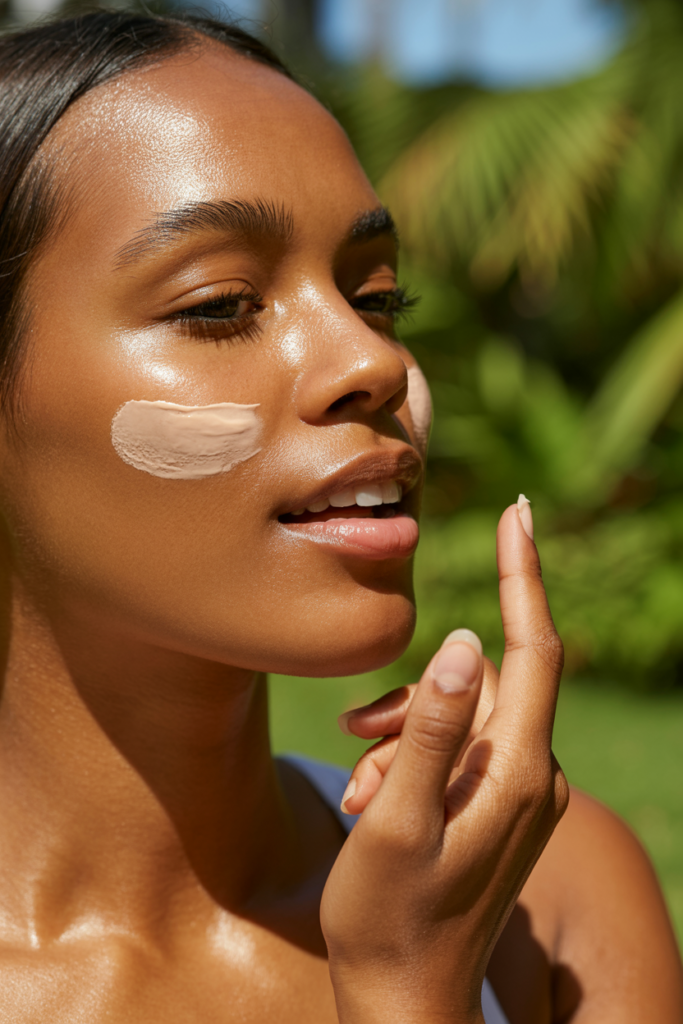
Here’s the trend that actually matters for your skin health: tinted SPF products exploded in popularity in 2025.
Why it happened:
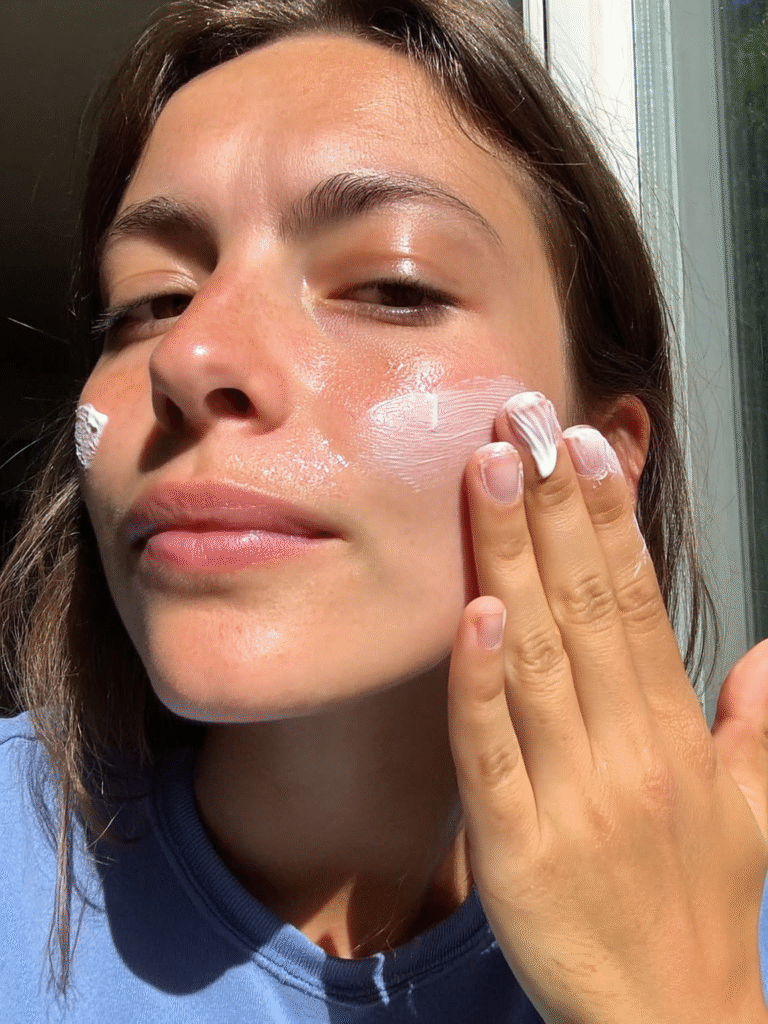
Dermatologists have been screaming about daily SPF for years, but traditional sunscreens were either too greasy, too chalky, or left a white cast. Tinted SPFs solved all these problems while giving light, natural coverage.
Major makeup brands jumped on the trend, releasing their own versions. Charlotte Tilbury’s Invisible UV Flawless Poreless Primer SPF 50 was a standout, as were offerings from Korean beauty brands that have long prioritized sun protection.
Why it actually worked:
Convenience: Combining SPF with light coverage simplified routines (very on-brand for the skinimalism movement).
Better formulas: Unlike the heavy, pore-clogging SPFs of the past, 2025’s tinted SPFs were lightweight, skin-like, and blended seamlessly.
Real benefits: The more you wear it, the better your skin looks long-term by preventing sun damage, pigmentation, and premature aging.
Celebrity makeup artists called tinted SPF the “best friend” of the “no-makeup makeup” look, and consumers finally started prioritizing sun protection as a daily essential.
7. Maximalism Made a (Small) Comeback
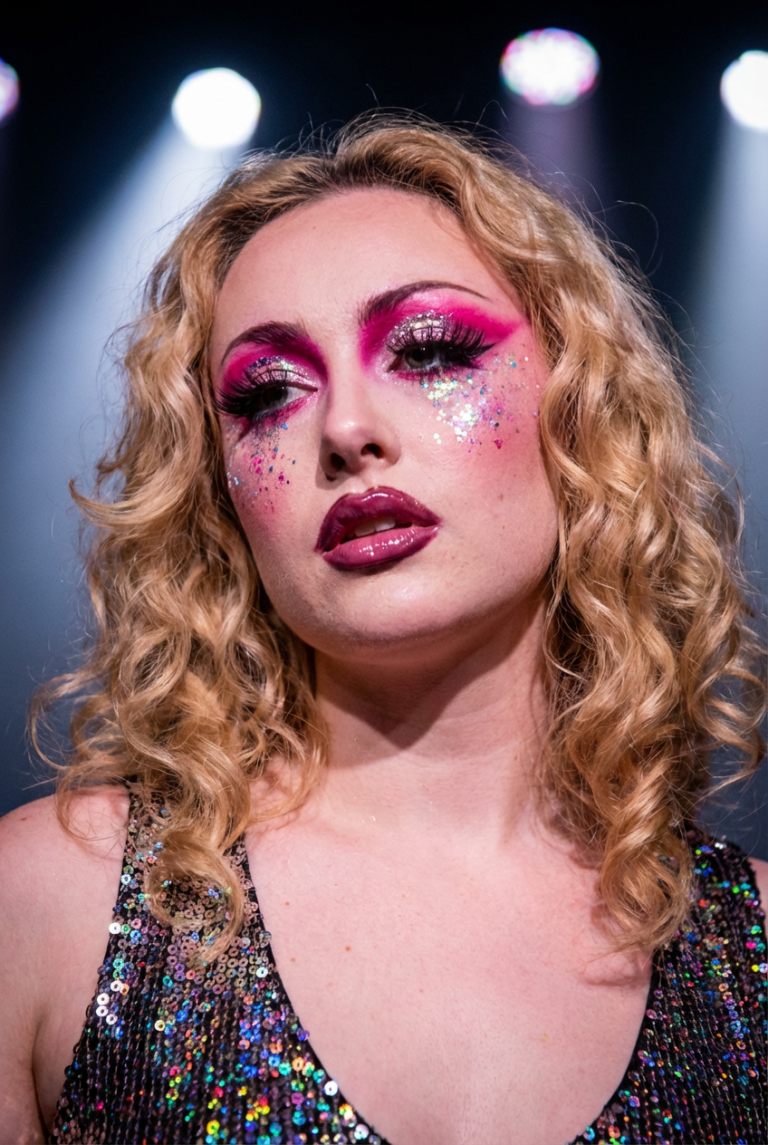
While minimalism dominated most of 2025, there was a noticeable shift toward more expressive, maximalist beauty—especially in eye makeup and special occasions.
The “bombshell aesthetic” started creeping back in: fuller lashes, more dimensional eye looks, bolder lips. But here’s the key difference from previous maximalist eras: it was more controlled and intentional. People weren’t just piling on products—they were choosing one or two features to emphasize while keeping everything else relatively natural.
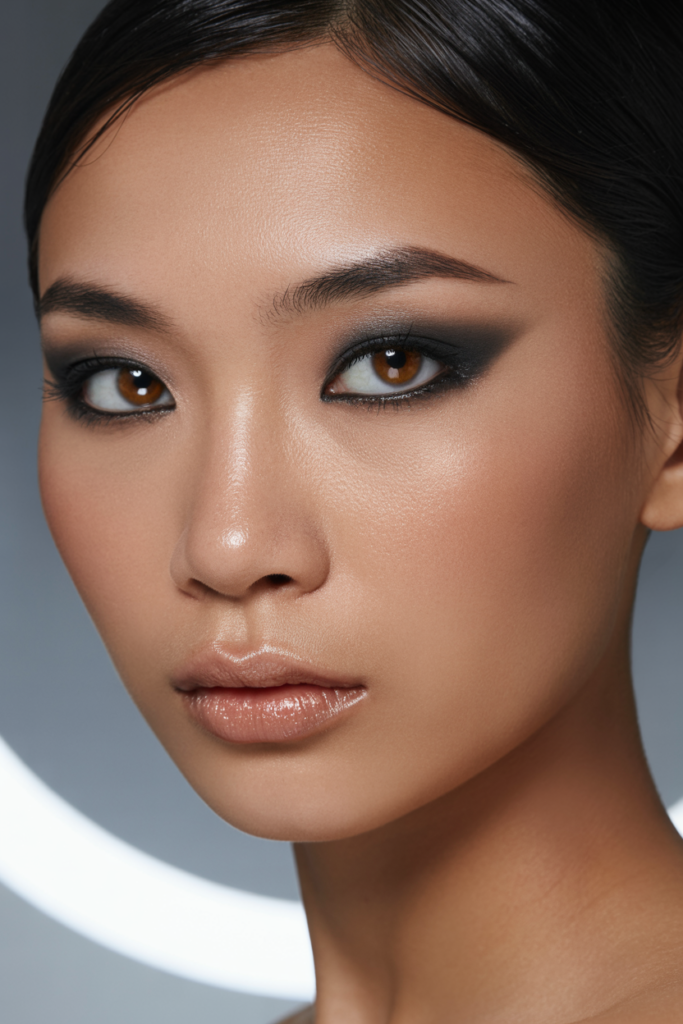
Think: dramatic smoky eye with barely-there skin and nude lips. Or bold red lip with minimal eye makeup and fresh skin. It was maximalism with restraint.
8. Natural Brows (No More Lamination Everywhere)
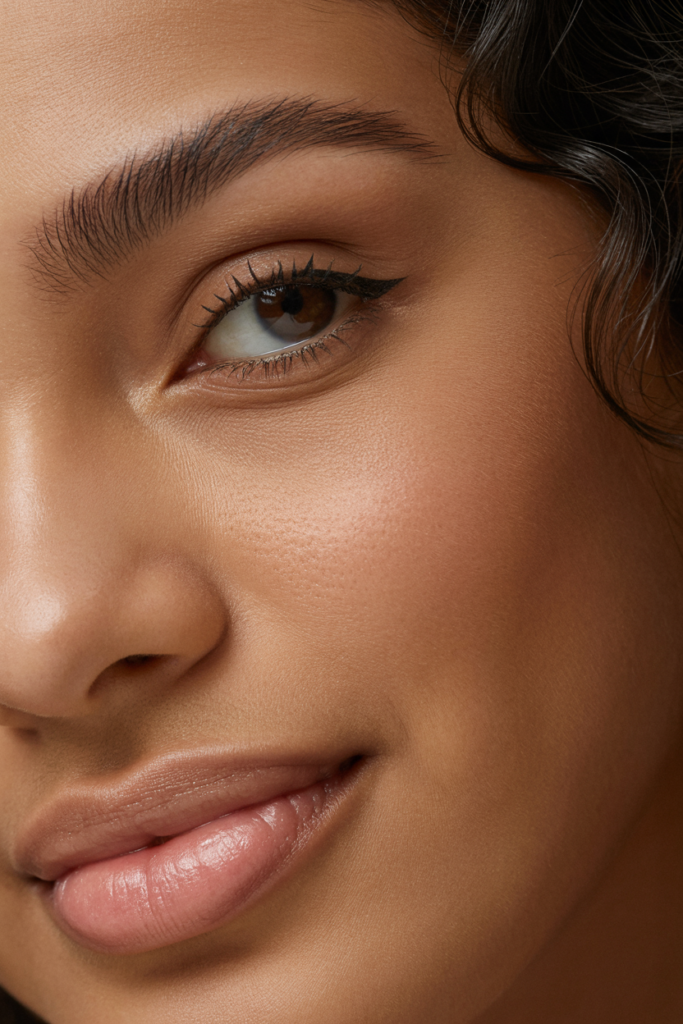
The ultra-laminated, ultra-filled, Instagram brow started to fade in 2025. Instead, people embraced softer, fluffier, more natural-looking brows.
Brow products focused on enhancing what you already have rather than completely reshaping or filling in. Clear brow gels, feathering pencils, and tinted gels that added just a hint of color became bestsellers.
The goal was brows that looked like brows—not like they’d been painted on or shellacked into place.
9. Body Care Got the Face Treatment
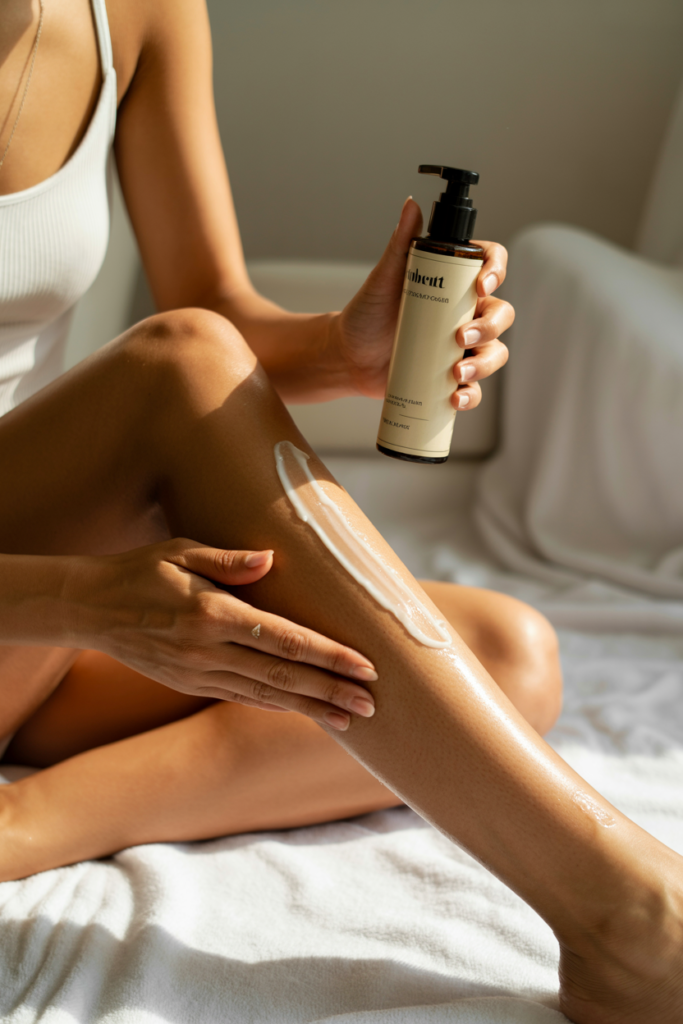
One of the more interesting trends of 2025 was the “faceification” of body care. People started treating their body skin with the same care and attention as their face.
This meant:
- Body serums with active ingredients
- Exfoliating body treatments
- Luxe body oils and butters
- Body SPF (finally)
The butter skin trend even extended to the body, with people using body oils, illuminating lotions, and skin tints to achieve that all-over golden glow.
10. Cream Everything
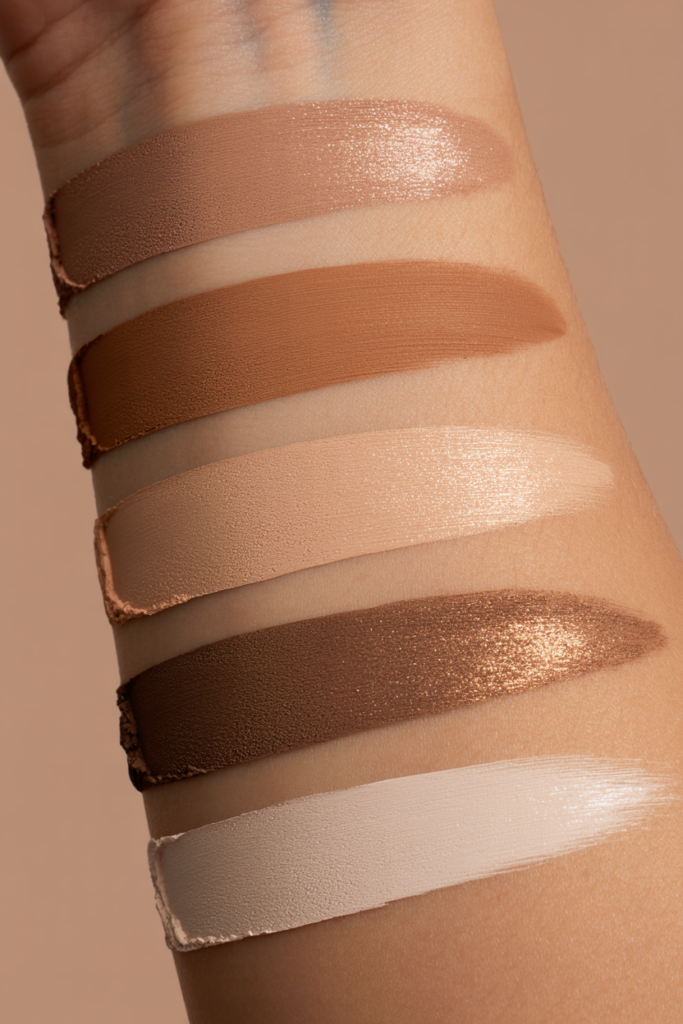
If there’s one product format that dominated 2025, it was cream formulas.
Cream blush, cream bronzer, cream highlighter, cream eyeshadow—all of it. Why? Because cream products blend seamlessly into the skin, creating that natural, skin-like finish that defined the year’s aesthetic.
Powder products didn’t disappear entirely, but creams were the MVP for achieving butter skin, natural makeup looks, and that coveted “melted into the skin” effect.
What Didn’t Work in 2025
Not every trend stuck around. Here’s what faded:
Heavy blush overload: The ultra-flushed, blush-as-the-main-character look peaked in 2024 and toned way down in 2025.
Ultra-skinny brows: Despite some early 2000s nostalgia, this trend thankfully didn’t take hold.
Dolphin skin/ultra-wet glow: People wanted luminous, not dripping. The overly wet, greasy-looking highlight faded in favor of more subtle, buttery glows.
Complicated contouring: Heavy, Instagram-style contouring felt dated. Natural dimension was in.
Matte lips: Sorry, but gloss and shine dominated. Matte liquid lipsticks had their moment, but it wasn’t this year.
The Bigger Picture: What 2025 Taught Us About Beauty
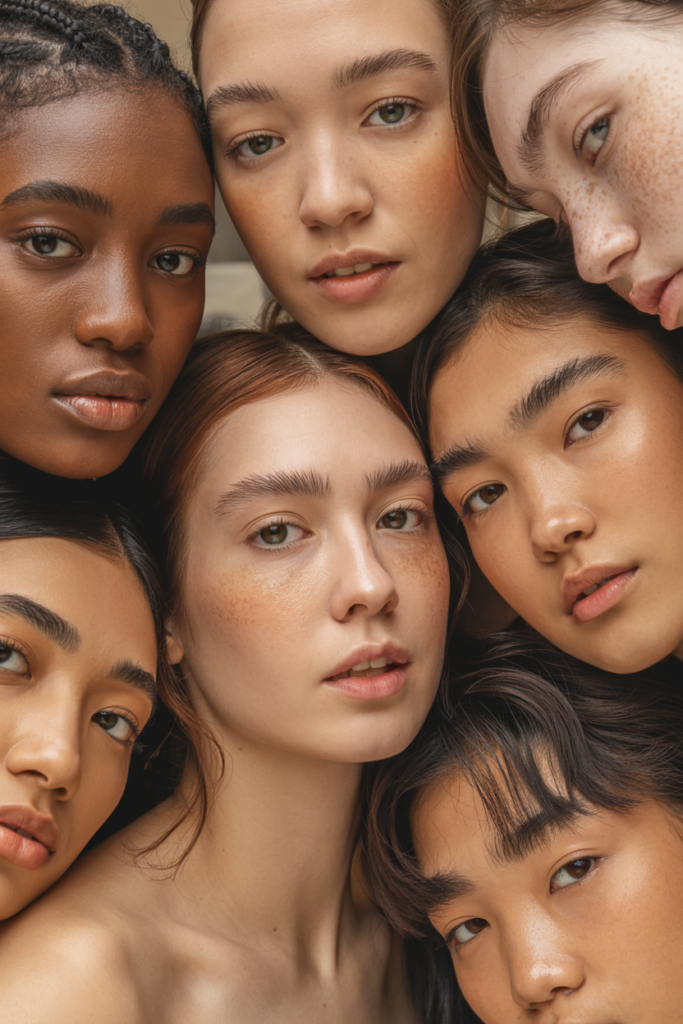
Looking at all these trends together, a clear theme emerges: authenticity over perfection.
2025 was the year beauty got real. We stopped chasing impossible standards, started embracing our natural features, and focused on products that actually made our skin healthier. The rise of deinfluencing showed we’re tired of being sold to. The dominance of skinimalism proved we want simplicity. Butter skin, blurred lips, and natural brows all pointed to the same thing: we’re over heavily filtered, overly perfected beauty.
Consumers became smarter, more skeptical, and more intentional. We stopped buying every viral product and started asking questions: Do I actually need this? Does it work? Is there a better alternative?
Brands had to adapt. Transparency became essential. Multifunctional products thrived. Honest marketing won out over hype. And products that delivered real results—not just pretty packaging—succeeded.
What This Means for 2026
If 2025 taught us anything, it’s that the pendulum always swings. We’ve been firmly in minimalist, natural beauty territory, which means we might see a swing back toward more drama and artistry.
But even if maximalism does return, the lessons of 2025 will stick: we want quality over quantity, honesty over hype, and products that actually work. The “less is more” muscle memory won’t disappear just because we add a pop of color back into our routines.
The Bottom Line
The biggest beauty trends of 2025 weren’t about following every microtrend or buying every viral product. They were about getting smarter, more intentional, and more honest about what we actually want from our beauty routines.
Deinfluencing taught us to question hype. Skinimalism showed us that less can genuinely be more. Butter skin proved that healthy, hydrated skin is the best makeup. And the return of eye makeup reminded us that beauty should be fun and expressive, not just functional.
Here’s to carrying these lessons into 2026—and to a beauty industry that finally seems to be listening to what we actually want: real products, real results, and real talk.
What was your favorite beauty trend of 2025? Are you team skinimalism or ready for maximalism to return? Let us know in the comments!