How to Layer Skincare Products in the Correct Order
So you’ve invested in a solid skincare routine—maybe a vitamin C serum here, a retinol there, a fancy moisturizer you splurged on. But here’s the thing: if you’re not applying your products in the right order, you might not be getting the results you paid for.
Skincare layering isn’t just some made-up beauty rule to complicate your life. The order you apply your products actually affects how well they absorb into your skin and how effective they are. Apply them wrong, and you could be blocking active ingredients from doing their job or even causing irritation.
The good news? Once you understand the basic principles, it’s actually pretty straightforward. Let’s break down exactly how to layer your skincare products so you can get the most out of every single one.
The Golden Rule of Skincare Layering
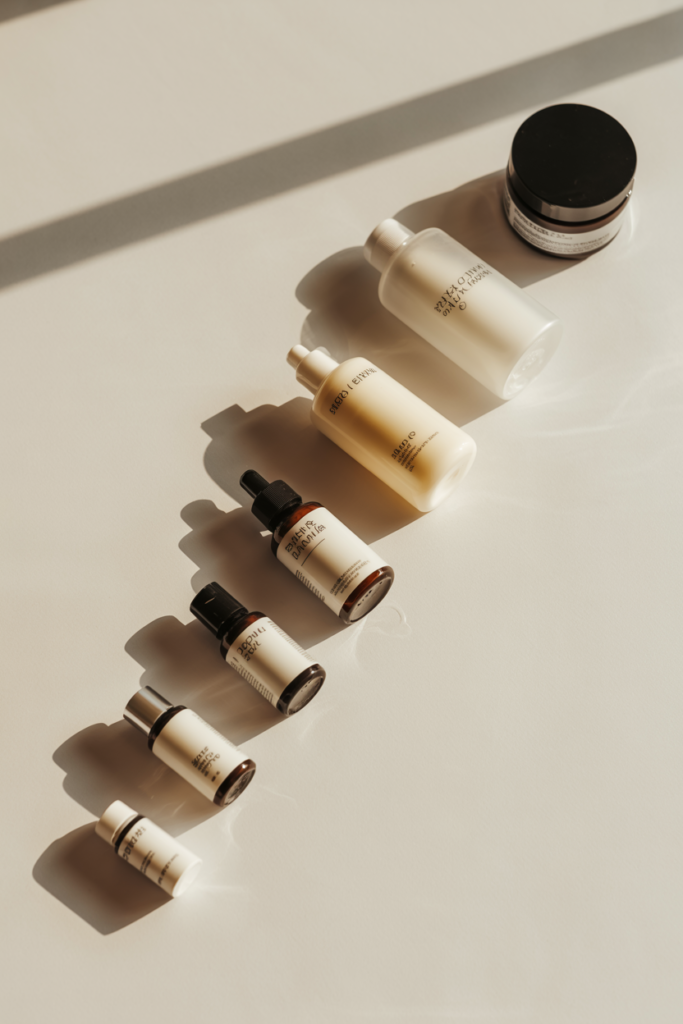
Before we dive into specific products, here’s the main principle you need to know: apply your skincare from thinnest to thickest consistency.
Think of it like getting dressed. You put on your lightweight base layers first, then add heavier pieces on top. Your skin works the same way. Thinner, water-based products need to go on first so they can penetrate your skin. If you put on a thick cream first, lighter serums won’t be able to get through.
There’s also a secondary rule: apply products based on their pH level and function, with treatments going on before occlusives (products that seal everything in). But honestly, if you just remember “thin to thick,” you’ll be in pretty good shape.
Your Morning Skincare Routine Order
Mornings are all about protection. You’re prepping your skin to face the day—literally. Here’s the correct order for your AM routine:

Step 1: Cleanser. Start with a clean canvas. Use a gentle, pH-balanced cleanser to remove any oil, sweat, or product buildup from overnight. You don’t need anything too harsh in the morning—your skin isn’t dealing with makeup or sunscreen yet. The CeraVe Hydrating Facial Cleanser is a solid choice that cleans without stripping your skin.
Step 2: Toner. If you use a toner, now’s the time. Toners help balance your skin’s pH after cleansing and prep it to absorb the products that follow. Pat it on with your hands or use a cotton pad—whatever works for you. Look for hydrating toners rather than harsh, alcohol-based ones.
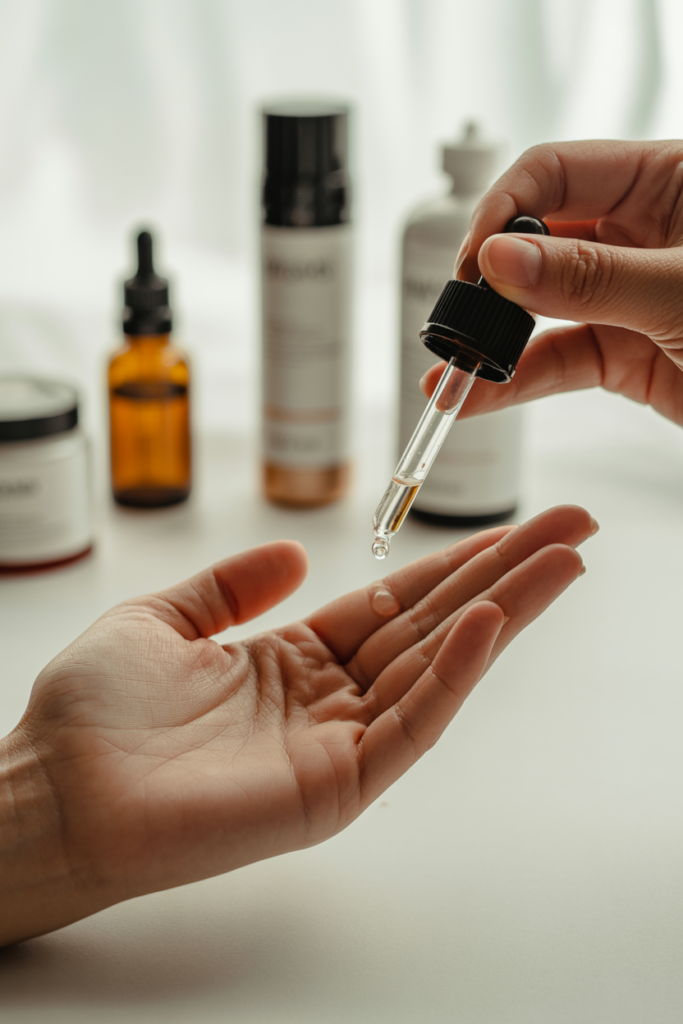
Step 3: Antioxidant serum. This is where vitamin C typically goes. Antioxidant serums protect your skin from environmental damage throughout the day, which is why they’re perfect for morning routines. Apply a few drops and gently press it into your skin. The TruSkin Vitamin C Serum is a budget-friendly option that actually works.
Step 4: Eye cream. The skin around your eyes is thinner and more delicate, so it needs its own special treatment. Use your ring finger (it applies the least pressure) to gently pat eye cream around the orbital bone. A little goes a long way here.
Step 5: Moisturizer. Even if your skin is oily, you need moisturizer. This step hydrates your skin and creates a protective barrier. Choose a formula that works for your skin type—lightweight gel for oily skin, richer cream for dry skin. The Neutrogena Hydro Boost Water Gel is great for most skin types and plays well under makeup.
Step 6: Sunscreen. This is non-negotiable and always goes last in your morning routine (before makeup, if you wear it). Sunscreen needs to sit on top of everything else to form a protective shield. Use at least SPF 30 and reapply throughout the day. The CeraVe AM Facial Moisturizing Lotion with SPF 30 combines your moisturizer and sunscreen in one step if you’re looking to simplify.
Your Evening Skincare Routine Order
Nighttime is when the real magic happens. Your skin repairs itself while you sleep, so this is when you want to use your treatment products and actives. Here’s how to layer everything:
Step 1: Makeup remover or cleansing oil. If you wear makeup or sunscreen (and you should be wearing sunscreen), start with a first cleanse to break down these products. Cleansing oils or micellar water work great for this. The Garnier SkinActive Micellar Cleansing Water removes everything without harsh rubbing.
Step 2: Cleanser. Follow up with your regular facial cleanser to remove any remaining residue. This is your double cleanse—the first removes makeup and sunscreen, the second actually cleans your skin.
Step 3: Exfoliant (2-3 times per week). If you’re using a chemical exfoliant like an AHA or BHA toner, this is when it goes on. Don’t exfoliate every single night—2-3 times a week is plenty for most people. Over-exfoliating can damage your skin barrier and cause more problems than it solves.
Step 4: Toner or essence. Hydrating toners and essences prep your skin for the treatment products coming next. Pat them in gently and give them a moment to absorb.
Step 5: Treatment serums. This is where your active ingredients go—things like retinol, niacinamide, or peptide serums. If you’re using multiple serums, apply the thinnest one first. However, be careful about combining certain actives. For example, don’t use retinol and vitamin C together (vitamin C is for mornings anyway), and be cautious with mixing retinol and AHAs/BHAs.
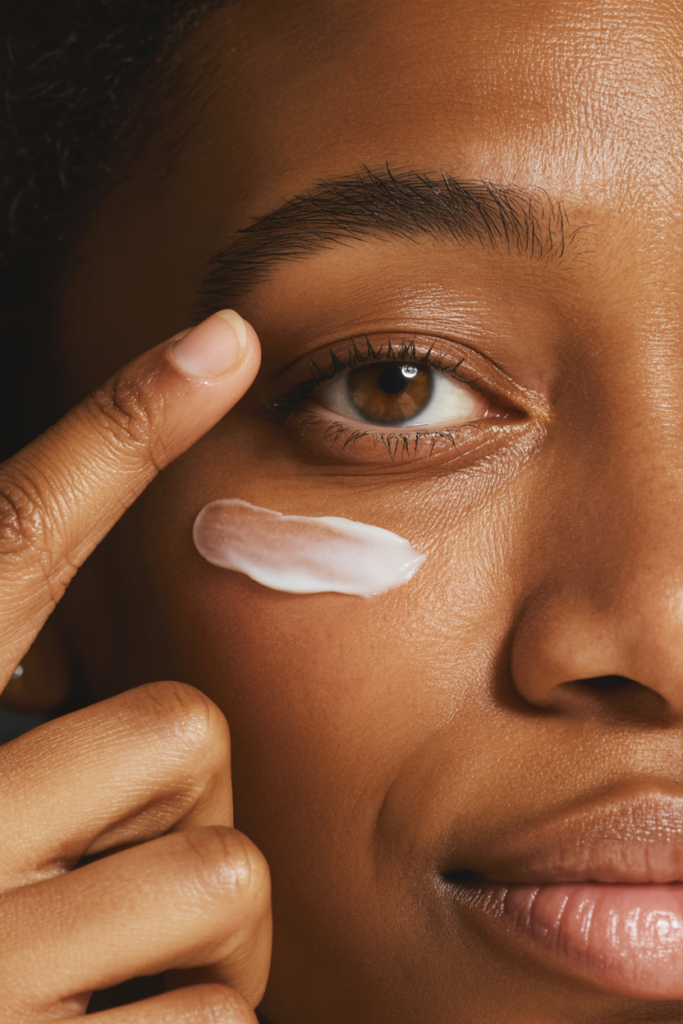
Step 6: Eye cream. Just like in the morning, gently pat your eye cream around the eye area. Some people prefer using a more intensive eye treatment at night.
Step 7: Moisturizer or night cream. Night moisturizers tend to be richer than daytime ones since you don’t need to worry about them sitting under makeup or sunscreen. This step seals in all the good stuff you just applied. The Olay Regenerist Night Recovery Cream is surprisingly good for the price point.
Step 8: Face oil (optional). If your skin is super dry or you love that extra glow, you can add a facial oil as your final step. Oils create an occlusive barrier that locks in moisture. Just a few drops pressed into your skin will do.
Step 9: Sleeping mask or occlusive (optional). For extra dry skin or when you need some serious hydration, you can add a sleeping mask or an occlusive like Aquaphor as your very last step. This creates a seal that prevents water loss while you sleep.
Wait Times Between Products
Here’s a question people always ask: do you really need to wait between products?
The short answer is… sometimes. For most products, you can apply them one after another without waiting. Your skin absorbs things pretty quickly. However, there are a few exceptions:
Wait after acids. If you’re using an exfoliating acid like glycolic acid or salicylic acid, give it about 5-10 minutes to do its thing before moving on. This allows the acid to work at its optimal pH.
Wait after retinol. Let your retinol absorb for a few minutes before applying moisturizer. Some people even prefer to apply moisturizer first, wait, then apply retinol (this is called buffering and can help reduce irritation if you’re new to retinol).
Wait after sunscreen. Give your sunscreen about 15 minutes to set before applying makeup. This ensures it forms a proper protective layer.
For everything else, waiting isn’t necessary. Just make sure each product has absorbed before adding the next one. If your skin still feels wet or slippery, give it another minute.
Common Layering Mistakes to Avoid
Even when you know the rules, it’s easy to make mistakes. Here are some common ones to watch out for:
Don’t mix incompatible actives. Some ingredients don’t play well together. Retinol and vitamin C, retinol and AHAs/BHAs, vitamin C and niacinamide (though this one is debated)—these combinations can cause irritation or reduce effectiveness. When in doubt, use different actives at different times of day or on alternating nights.
Don’t apply treatments over thick products. If you put on a heavy cream and then try to apply a treatment serum, the serum won’t penetrate. Always go thin to thick, with treatments before moisturizer.
Don’t skip sunscreen to avoid another layer. I know it feels like a lot, but sunscreen is absolutely essential in the morning. If you hate adding another step, look for a moisturizer with SPF built in. Just make sure you’re using enough—most people don’t apply sufficient sunscreen when it’s combined with moisturizer.
Don’t overdo it with actives. More isn’t always better with skincare. Using too many active ingredients at once can irritate your skin and damage your skin barrier. Start with one active at a time and gradually introduce others.
Simplifying Your Routine
Look, not everyone needs a 10-step routine. If all these layers feel overwhelming, that’s totally okay. A basic routine of cleanser, moisturizer, and sunscreen will still do wonders for your skin.
You can add treatment products gradually as your skin needs them. Maybe you start with just a vitamin C serum in the morning. Then you add a retinol at night a few months later. There’s no rule that says you need to use every type of product that exists.
The “correct order” matters, but having a routine you’ll actually stick to matters more. It’s better to consistently use three products in the right order than to have a complicated 10-step routine that you skip half the time because it’s too much.
Listen to Your Skin
Here’s the thing about skincare rules: they’re guidelines, not laws. Your skin is unique, and what works for someone else might not work for you.
Pay attention to how your skin responds. If layering multiple products makes your skin feel congested or irritated, scale back. If your skin is super dry even with all the right products in the right order, maybe you need richer formulas or an extra hydrating step.
Skincare is personal. The correct order gives you the best shot at getting results from your products, but you still need to adjust based on what your skin is telling you. If something isn’t working, change it up. There’s no perfect routine that works for everyone.

The goal is healthy, happy skin—and now you know exactly how to layer your products to get there. Start with the basics, add products as you need them, and always remember: thin to thick, treatments before moisturizer, and sunscreen every single morning. You’ve got this.
This post contains affiliate links, which means I may earn a small commission if you purchase through my links at no additional cost to you. I only recommend products I genuinely believe in!


3 Comments