Skin Cycling: Does This Viral Skincare Trend Really Work?
If you’ve been on skincare TikTok lately, you’ve probably heard about skin cycling. This routine has everyone from dermatologists to beauty influencers buzzing, and honestly? It’s one of the few viral trends that actually makes sense when you dig into it.
But does it live up to the hype, or is it just another overcomplicated skincare fad that’ll be forgotten in six months? Let’s break down what skin cycling actually is, whether it works, and how to try it without wrecking your skin barrier (because we’ve all been there).
What Is Skin Cycling?
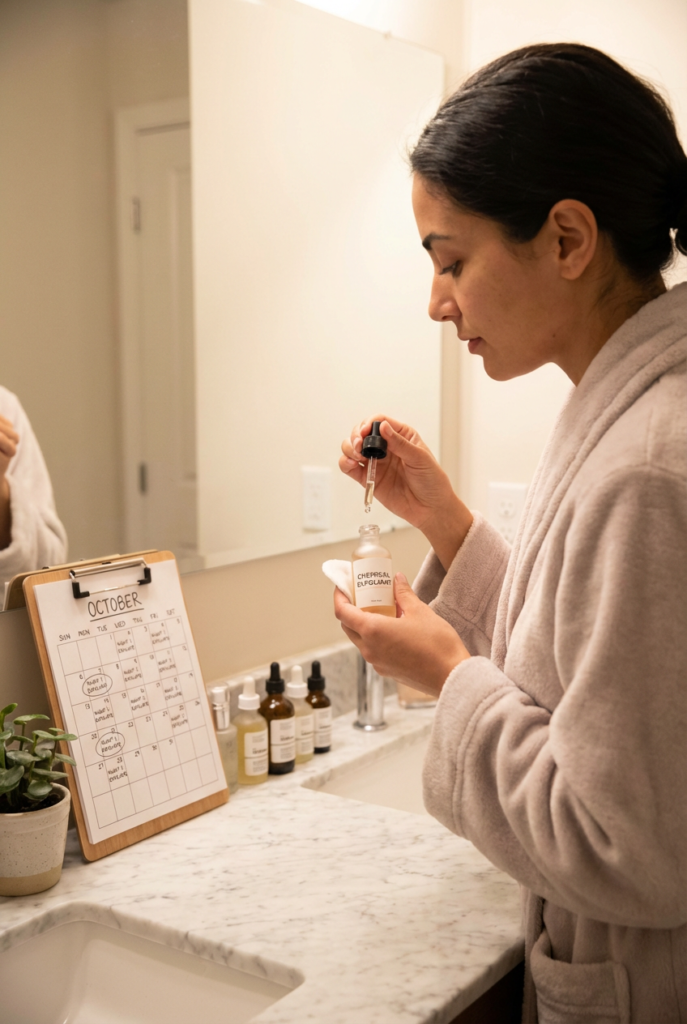
Skin cycling is a four-night skincare routine developed by Dr. Whitney Bowe, a board-certified dermatologist. The concept is pretty straightforward: instead of throwing every active ingredient at your face every single night, you rotate them in a specific pattern to maximize results while minimizing irritation.
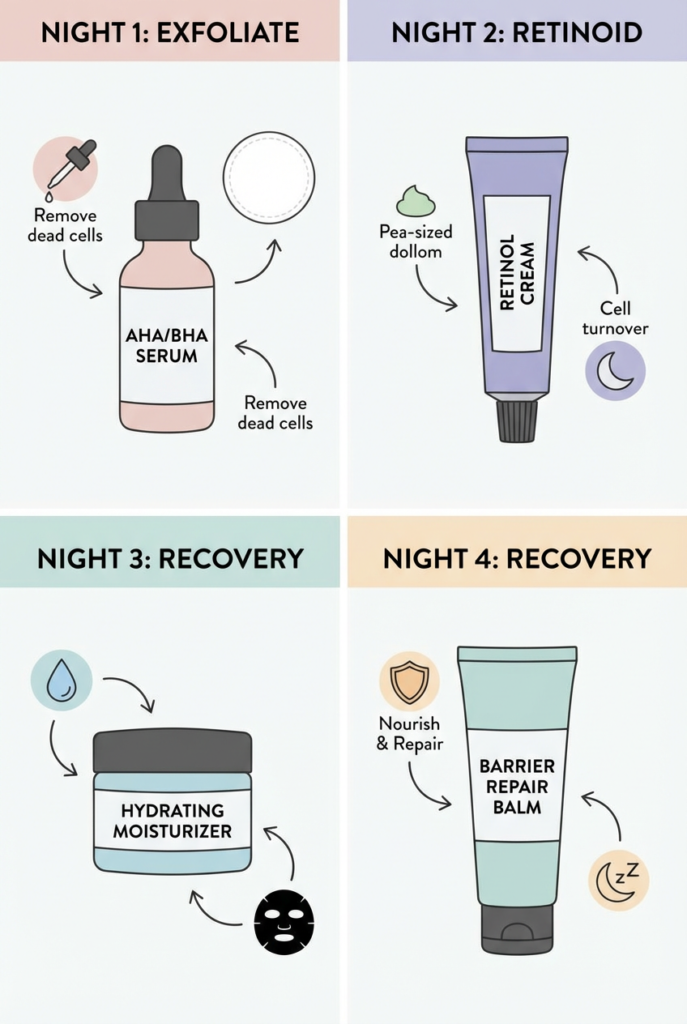
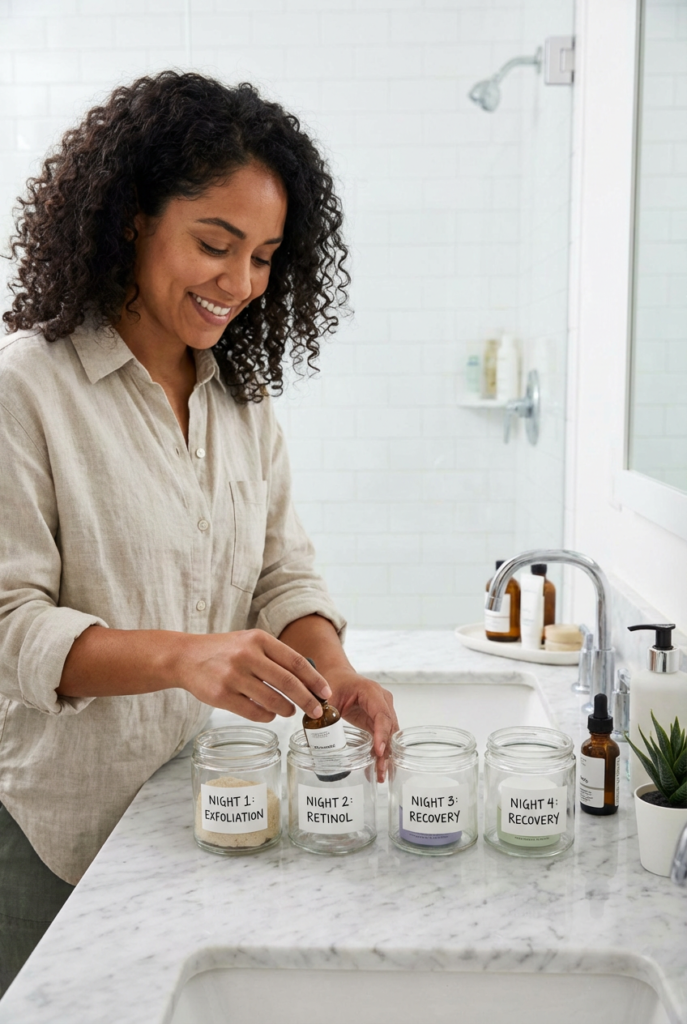
Here’s how the four-night cycle works:
Night 1: Exfoliation This is when you use a chemical exfoliant like AHAs or BHAs to slough off dead skin cells and unclog pores.
Night 2: Retinoids On the second night, you apply a retinol or prescription retinoid to boost cell turnover and tackle everything from acne to fine lines.
Night 3 & 4: Recovery These two nights are all about hydration and repair. No actives, just gentle, nourishing products that help your skin barrier bounce back.
Then you start the cycle over again.
Why Skin Cycling Actually Makes Sense
The genius of skin cycling isn’t that it introduces anything revolutionary. It’s that it takes ingredients we already know work and uses them in a smarter way.
Think about it: how many times have you gotten excited about a new active ingredient, used it every single night, and then ended up with a red, peeling, angry face? Yeah, me too. We’ve all been guilty of the “more is better” approach to skincare, but our skin barriers can only handle so much.
Skin cycling works because it gives your skin regular breaks to recover. When you’re constantly bombarding your face with actives, you’re essentially re-injuring your skin barrier before it has time to heal. That leads to sensitivity, dryness, and that tight, uncomfortable feeling that makes you want to slather on a tub of Aquaphor.
By building in recovery nights, you’re letting your skin actually do its job of repairing itself. This means you can use stronger actives without the irritation that usually comes with them.
Who Should Try Skin Cycling?
Skin cycling works really well for people who want to use actives but have struggled with irritation in the past. If you’ve got sensitive skin or you’re new to ingredients like retinol and chemical exfoliants, this is honestly a great way to ease into them without going full scorched-earth on your face.
It’s also perfect if you’re dealing with acne, hyperpigmentation, or early signs of aging. The combination of regular exfoliation and retinoids addresses all of these concerns, while the recovery nights keep everything balanced.
That said, if your skin is already super resilient and you’ve been using strong actives for years without issues, you might not need to be this structured about it. Some people can handle daily retinol just fine. Skin cycling is more about preventing problems than fixing something that isn’t broken.
How to Start Skin Cycling
If you want to give skin cycling a shot, here’s a basic routine to get you started. You don’t need to buy a million new products, just work with what makes sense for your skin.
Night 1: Exfoliation Night
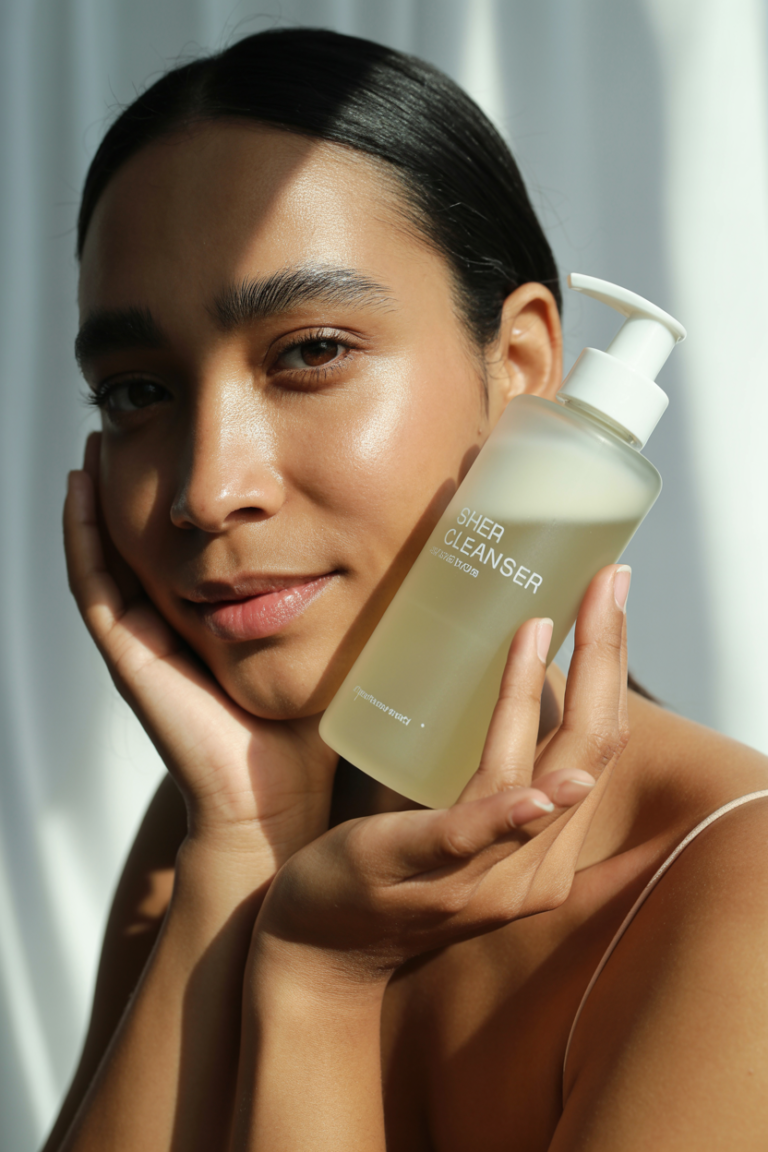
Start with a gentle cleanser, then apply your chemical exfoliant. Popular options include:
- The Ordinary Glycolic Acid 7% Toning Solution (super affordable at around $10)
- Paula’s Choice 2% BHA Liquid Exfoliant (great for acne-prone skin)
- Good Molecules Overnight Exfoliating Treatment (a gentler option if you’re nervous about starting out)
After your exfoliant, wait a few minutes, then follow up with a lightweight moisturizer. Skip any other actives tonight.
Night 2: Retinoid Night
Cleanse your face, then apply your retinoid. If you’re new to retinol, start with something gentle:
- CeraVe Resurfacing Retinol Serum (beginner-friendly and around $18)
- The INKEY List Retinol Serum (budget option at $10)
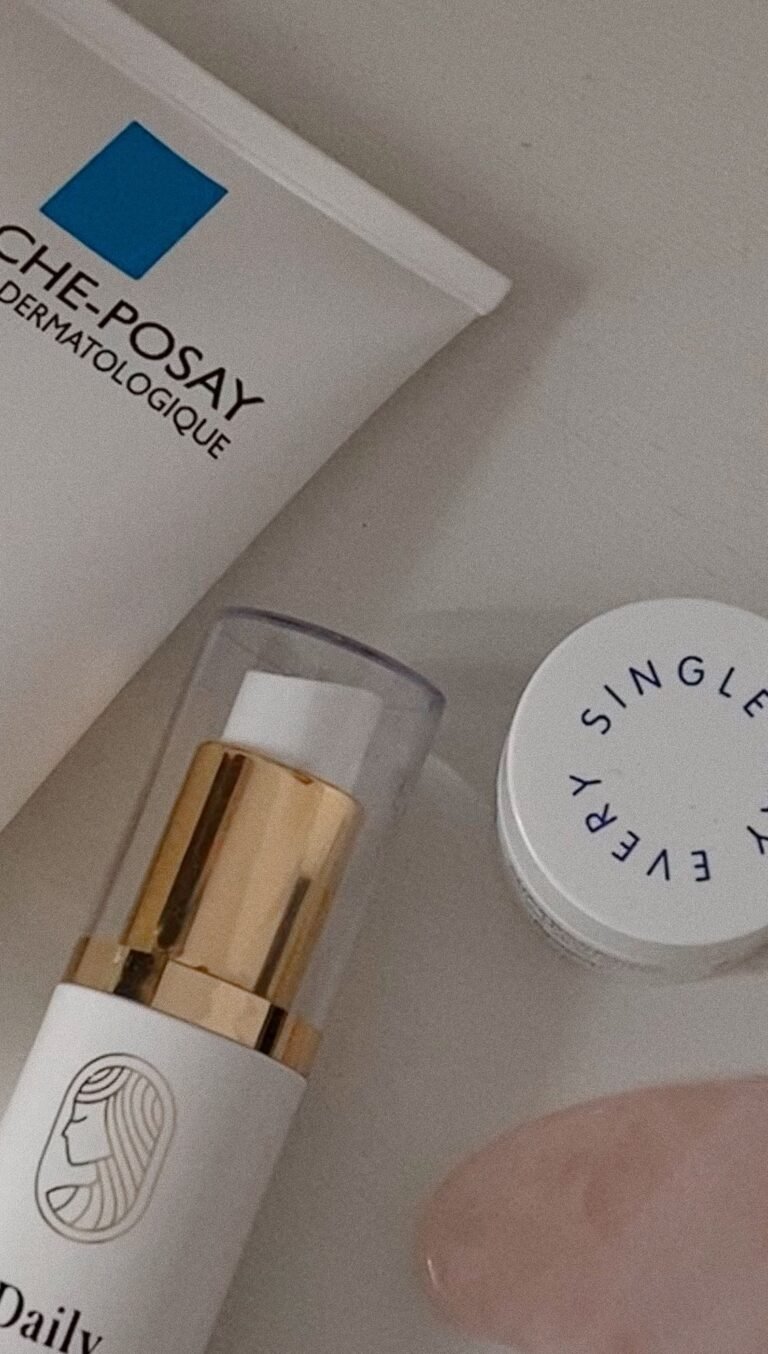
- La Roche-Posay Retinol B3 Serum (if you want to splurge a bit at $45)
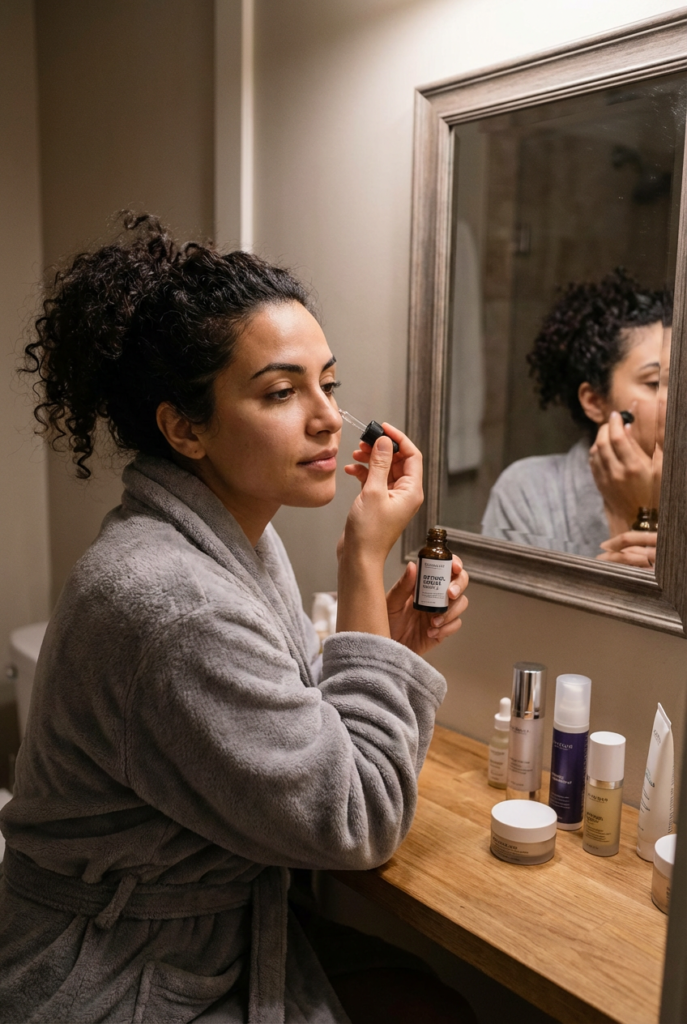
You can apply retinol to damp skin for better absorption, or to completely dry skin if you’re worried about irritation. Then layer on a good moisturizer. Some people like to “sandwich” their retinol between two layers of moisturizer to buffer it.
Nights 3 & 4: Recovery Nights
These nights are all about babying your skin. Use a gentle cleanser and then go heavy on the hydration and barrier repair:
- A hydrating serum with hyaluronic acid (The Ordinary Hyaluronic Acid 2% + B5 is like $8)
- A ceramide-rich moisturizer (CeraVe Moisturizing Cream is the classic for a reason)
- If you’re extra dry, top it off with a facial oil or something like La Roche-Posay Cicaplast Balm
No actives, no exfoliants, just pure moisture and repair.
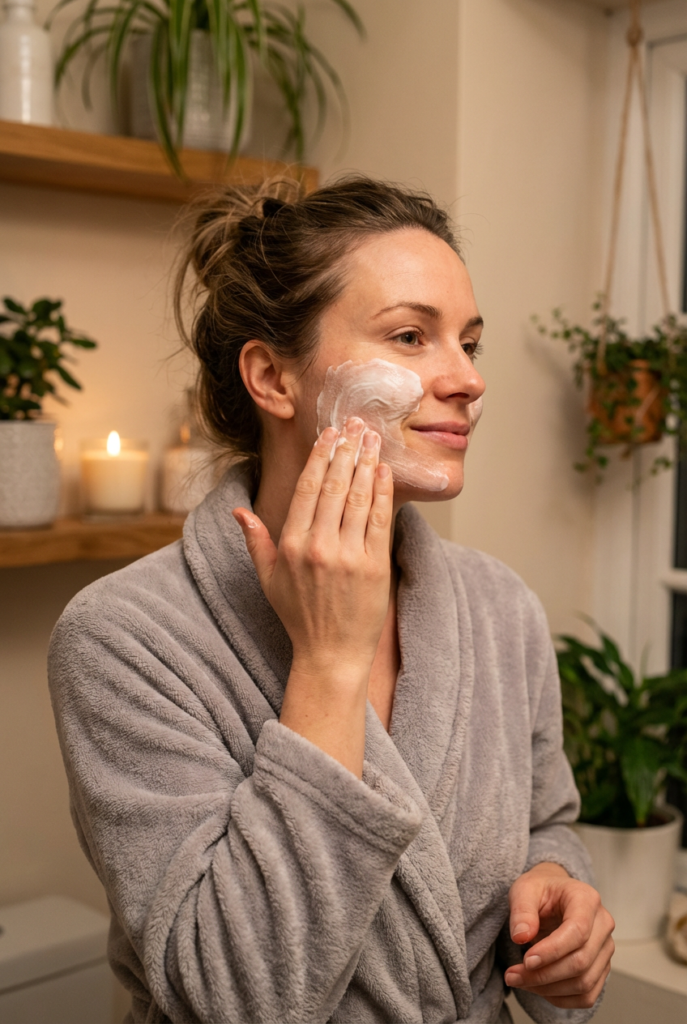
Does Skin Cycling Actually Work?
Here’s the thing: skin cycling works because it uses ingredients that are already scientifically proven to work. Chemical exfoliants and retinoids have decades of research backing them up. The cycling part just makes them more tolerable for people who would otherwise struggle with irritation.
You’re probably not going to see dramatic results overnight (despite what TikTok might tell you), but over the course of a few weeks, most people notice smoother texture, clearer skin, and less irritation than they’d get from using actives every night.
The two recovery nights are genuinely game-changing for people with sensitive skin. They give your barrier time to rebuild, which means you can actually stick with the routine long-term instead of giving up after a week because your face is burning.
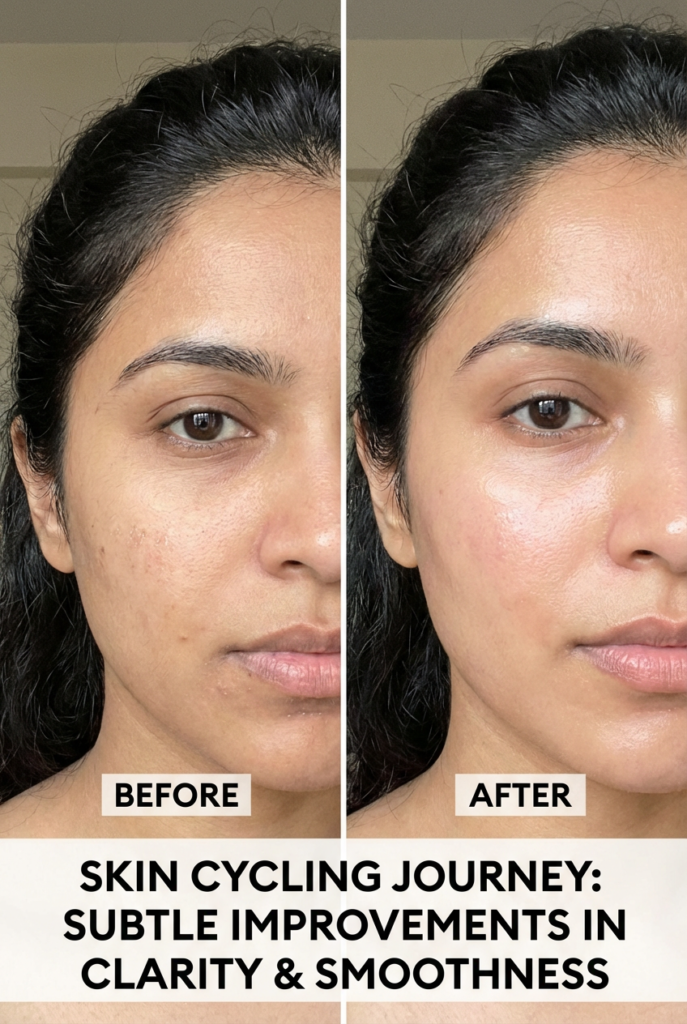
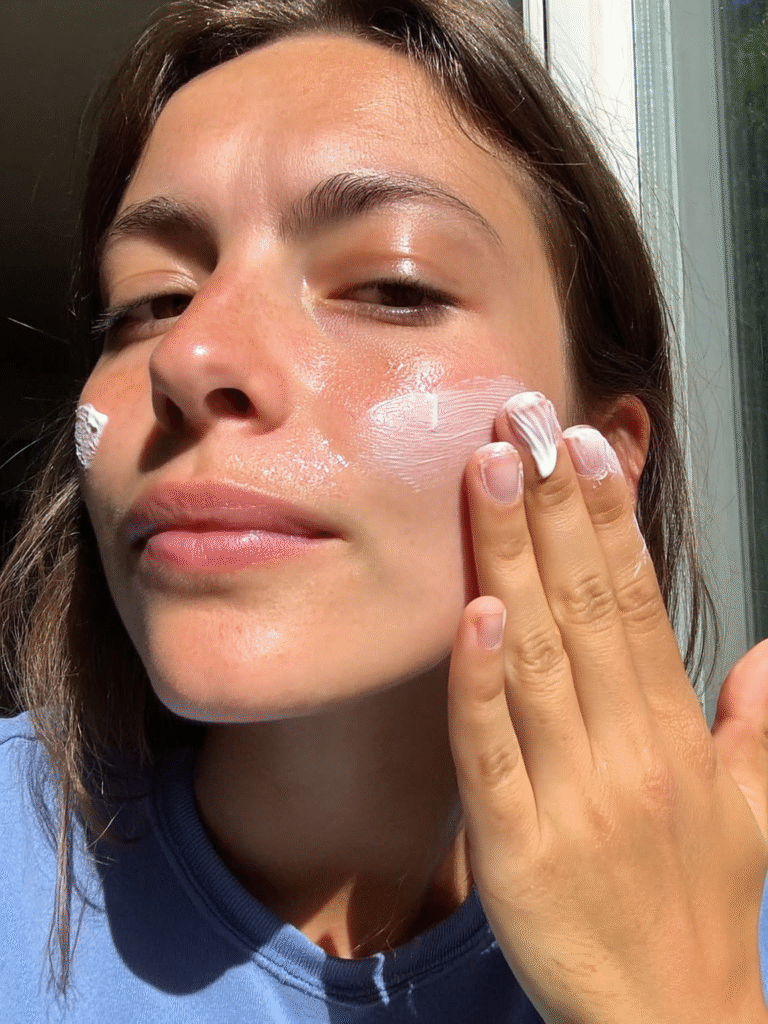
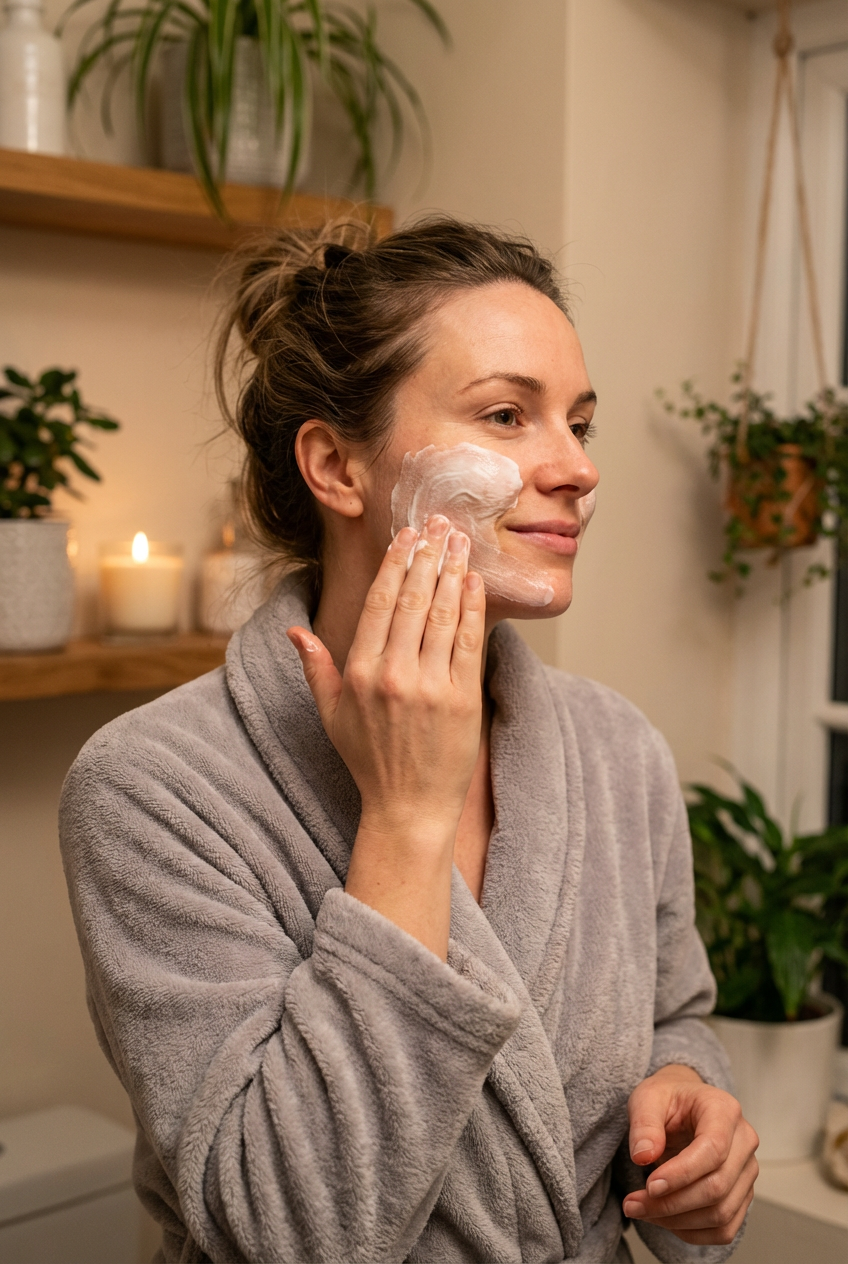
(Image for demonstration purposes only. Actual results may vary.)
Common Skin Cycling Mistakes to Avoid
Using Too Many Actives on Active Nights Don’t layer multiple acids or use both a retinoid and an exfoliant on the same night. That defeats the entire purpose of cycling.
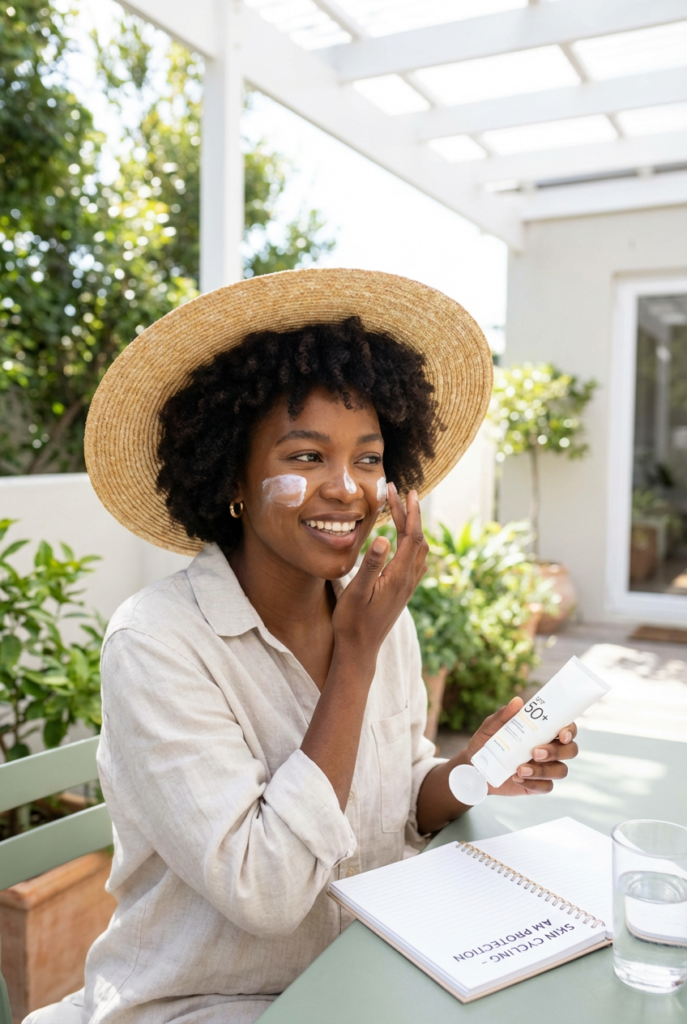
Skipping Sunscreen Both exfoliants and retinoids make your skin more sensitive to sun damage. If you’re skin cycling, you absolutely need to wear SPF during the day. Non-negotiable.
Not Giving It Enough Time Like any skincare routine, you need to stick with it for at least 6-8 weeks to see real results. Don’t give up after two weeks because you don’t look like a glazed donut yet.
Being Too Aggressive Too Fast If you’re new to actives, start with lower concentrations and don’t feel pressured to use prescription-strength retinoids right away. You can always work your way up.
Modifying Skin Cycling for Different Skin Types
The basic four-night cycle is just a template. You can absolutely adjust it based on what your skin needs.
If you have super dry skin, you might want to do a five-night cycle with three recovery nights instead of two. If your skin is oily and handles actives really well, you could potentially shorten the recovery period or alternate between different types of exfoliants.
Some people also prefer to do their retinoid night first, then exfoliate on night two. The order isn’t as important as making sure you’re including those recovery nights.
The Bottom Line
Skin cycling isn’t a miracle cure, but it’s a really smart framework for using actives without destroying your skin barrier in the process. It takes ingredients that work and makes them sustainable for long-term use, which is honestly the most important thing in skincare.

If you’ve been curious about adding retinol or chemical exfoliants to your routine but worried about irritation, skin cycling is a solid place to start. And if you’ve already tried actives and ended up with a compromised barrier, this method might help you reintroduce them successfully.
The best skincare routine is one you can actually stick with, and skin cycling makes that way more achievable than the “use everything every night” approach that dominated skincare advice for years.
Just remember: your skin knows what it needs better than any viral trend does. Pay attention to how it responds, adjust accordingly, and don’t feel like you have to follow the cycle exactly as prescribed if something else works better for you.
Disclosure: This post contains affiliate links, which means I may earn a small commission if you make a purchase through these links at no additional cost to you. I only recommend products I genuinely love and think you’ll enjoy too! Keep in mind, prices may vary from what is listed here. I am not a dermatologist, for more in-depth advice please see a professional.