5 Best Barrier Repair Creams with Ceramides
If your skin feels tight, looks red, gets irritated by products that used to work fine, or just seems… angry all the time, your skin barrier is probably screaming for help.
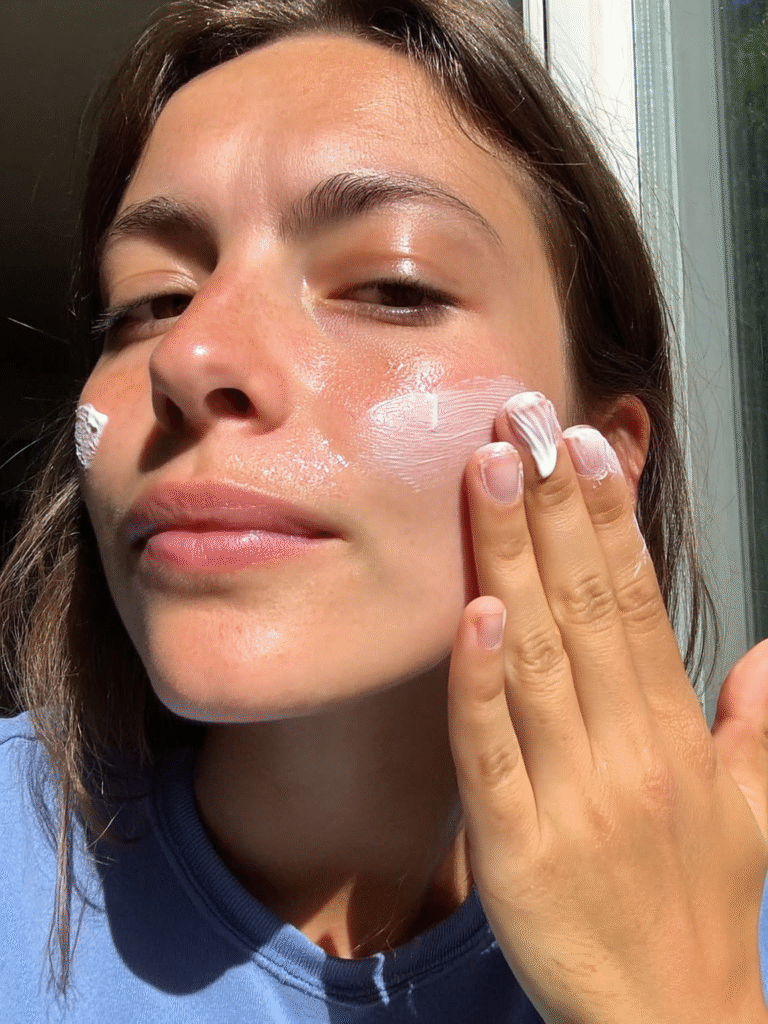
I learned this the hard way after going too hard with retinol and exfoliating acids. My skin went from “glowing” to “what did you DO to me?” in about two weeks. Everything stung. My face looked like a tomato. Even my gentlest moisturizer felt like rubbing sandpaper on my face.
That’s when I discovered barrier repair creams—specifically, ones loaded with ceramides. These aren’t your average moisturizers. They’re like emergency care for damaged skin, rebuilding that protective layer that keeps moisture in and irritants out.
Here’s what you need to know about ceramides and the best barrier repair creams that actually work.
What Are Ceramides (And Why Does Your Skin Need Them)?
Ceramides are lipids (basically fats) that make up about 50% of your skin’s protective barrier. Think of your skin barrier like a brick wall: your skin cells are the bricks, and ceramides are the mortar holding everything together.
When you have enough ceramides, your skin:
- Holds onto moisture
- Keeps irritants and bacteria out
- Looks smooth and healthy
- Doesn’t freak out at every product you use
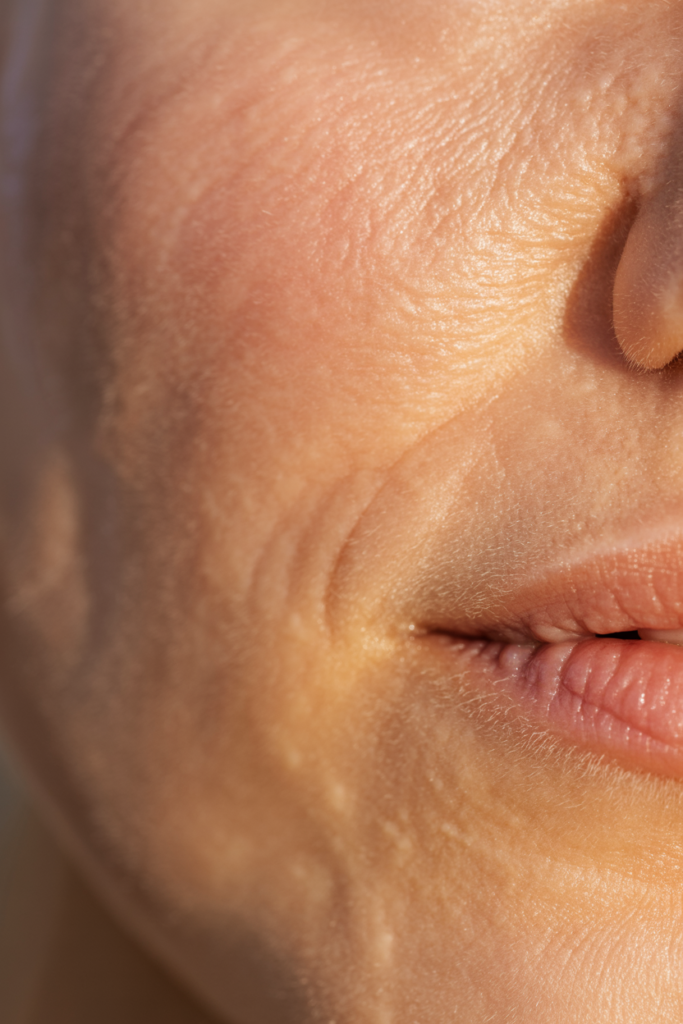
When ceramides are depleted (thanks, aging, harsh weather, over-exfoliation, and basically everything fun), your skin barrier gets compromised. That’s when you get:
- Dryness that no moisturizer seems to fix
- Sensitivity to products that never bothered you before
- Redness and irritation
- Flakiness
- That tight, uncomfortable feeling
- More breakouts (because bacteria can get in easier)
The good news? You can replenish ceramides with the right products. And that’s where barrier repair creams come in.
How to Know If You Need a Barrier Repair Cream
Your skin will tell you pretty clearly if your barrier is compromised:
Red flags:
- Products that used to work fine now sting or burn
- Your skin feels tight even after moisturizing
- Dry patches that won’t go away
- Increased sensitivity to everything
- More redness than usual
- Makeup sits weird on your skin
- Breakouts in places you don’t usually break out
If you’re nodding along to any of these, it’s time to pause your actives (retinol, acids, etc.) and focus on barrier repair.
The 8 Best Barrier Repair Creams with Ceramides
1. CeraVe Moisturizing Cream
Price: ~$19 for 19oz
Key Ceramides: Three essential ceramides (1, 3, 6-II)
Best For: Everyone, especially if you’re on a budget
CeraVe Moisturizing Cream ($19)
This is the OG barrier repair cream that dermatologists have been recommending for years. There’s a reason it’s still a bestseller—it just works.
What makes it special: The formula combines three essential ceramides with hyaluronic acid and something called MVE Technology, which releases moisturizing ingredients slowly over 24 hours. Translation: your skin stays hydrated all day, not just for an hour after you apply it.
The texture is rich but not greasy, absorbs quickly, and works beautifully on both face and body. It’s fragrance-free, non-comedogenic, and has the National Eczema Association Seal of Acceptance.
My honest take: This is my go-to recommendation for anyone asking about barrier repair on a budget. At under $20 for a huge tub, it’s ridiculously affordable. The 19-ounce size lasts forever, and you can use it on your face, body, hands—anywhere that needs serious hydration and barrier support.
The only downside? Some people find it a bit heavy for daytime face use, especially if you have oily skin. In that case, save it for nighttime or use the lighter CeraVe Daily Moisturizing Lotion ($18) instead.
Pro tip: Apply it on damp skin right after showering for maximum absorption.
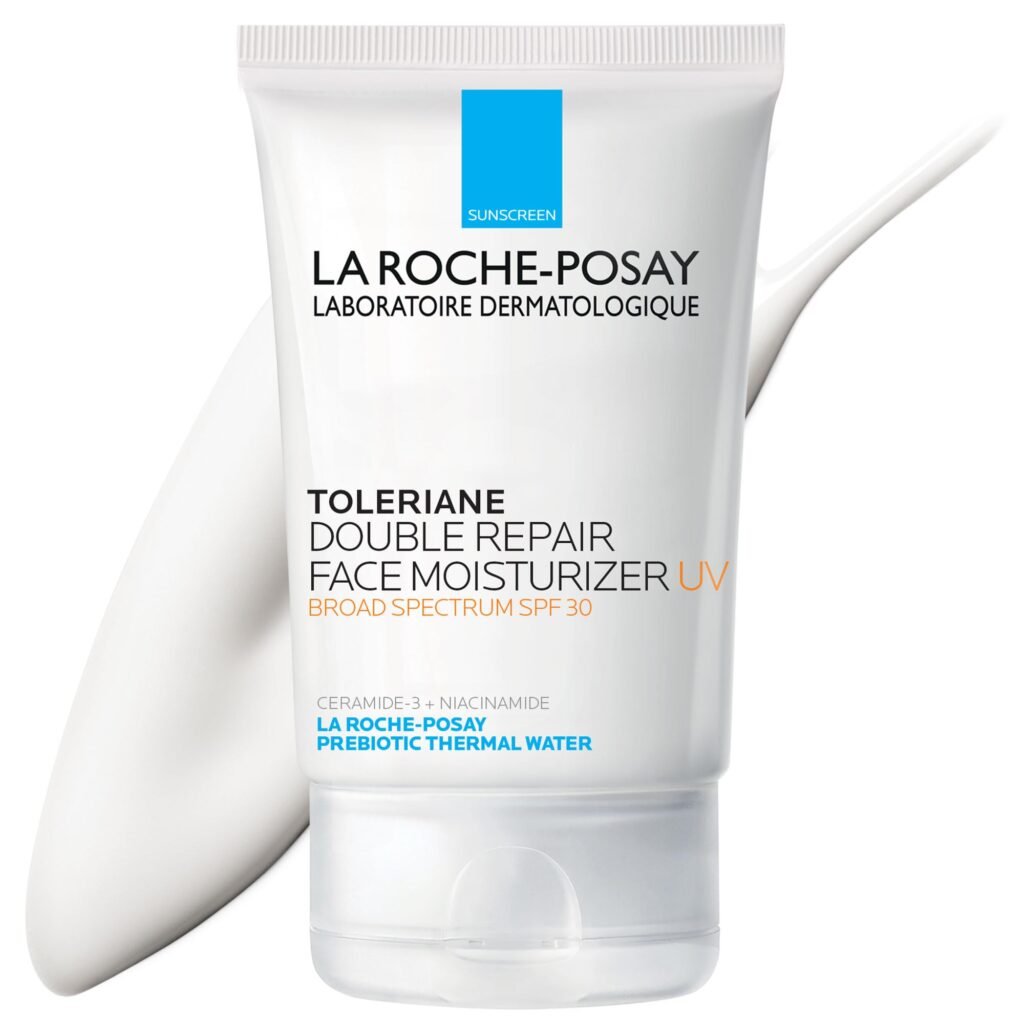
2. La Roche-Posay Toleriane Double Repair Face Moisturizer
Price: ~$22 for 2.5oz
Key Ceramides: Ceramide-3
Best For: Sensitive skin that needs gentle but effective repair
La Roche-Posay Toleriane Double Repair Face Moisturizer ($22)
This lightweight moisturizer is specifically formulated for sensitive skin, which makes it perfect when your barrier is compromised and everything feels irritating.
What makes it special: It combines ceramide-3 with niacinamide (which helps calm redness and strengthen the barrier) and La Roche-Posay’s prebiotic thermal spring water. The formula supports your skin’s microbiome while rebuilding the barrier.
Clinical studies show it helps repair the skin’s protective barrier after just one hour and provides up to 48 hours of hydration. That’s impressive.
My honest take: This is my favorite for daytime use because it’s lightweight enough to wear under makeup but still delivers serious barrier repair. The niacinamide is a bonus—it helps with redness and irritation while the ceramides do their rebuilding work.
I love that it’s fragrance-free and oil-free, so it works for pretty much everyone. If you have oily or combination skin and find CeraVe too heavy, this is your answer.
3. Dr. Jart+ Ceramidin Skin Barrier Moisturizing Cream
Price: ~$48 for 1.69oz
Key Ceramides: Five ceramides (5-Cera Complex)
Best For: Seriously compromised barriers that need intensive repair
Dr. Jart+ Ceramidin Cream ($48)
This K-beauty favorite is legendary for a reason. When your barrier is really damaged, this is the big gun you bring out.
What makes it special: Dr. Jart’s proprietary 5-Cera Complex includes five types of ceramides, which is more than most barrier repair creams. Add panthenol (vitamin B5) and glycerin, and you’ve got a powerhouse formula that provides 100 hours of moisture after a single use.
The texture is cushiony and rich but absorbs surprisingly well without leaving a greasy film. Clinical studies show it strengthens the skin’s barrier and improves elasticity after four weeks of use.
My honest take: This is expensive, yes, but a little goes a long way. One pump is enough for your entire face, so the jar lasts longer than you’d think.
I reach for this when my skin is in crisis mode—after over-exfoliating, returning from a cold, dry climate, or when I’ve been using too many actives. Within a few days, my skin goes from angry and tight to soft and comfortable.
The cushiony texture feels luxurious, and unlike some rich creams, it doesn’t clog my pores or cause breakouts. If you can swing the price tag, it’s worth every penny for emergency barrier repair.
Pro tip: You can find a larger 2.5oz size ($68) if you know you’ll use it regularly—better value per ounce.
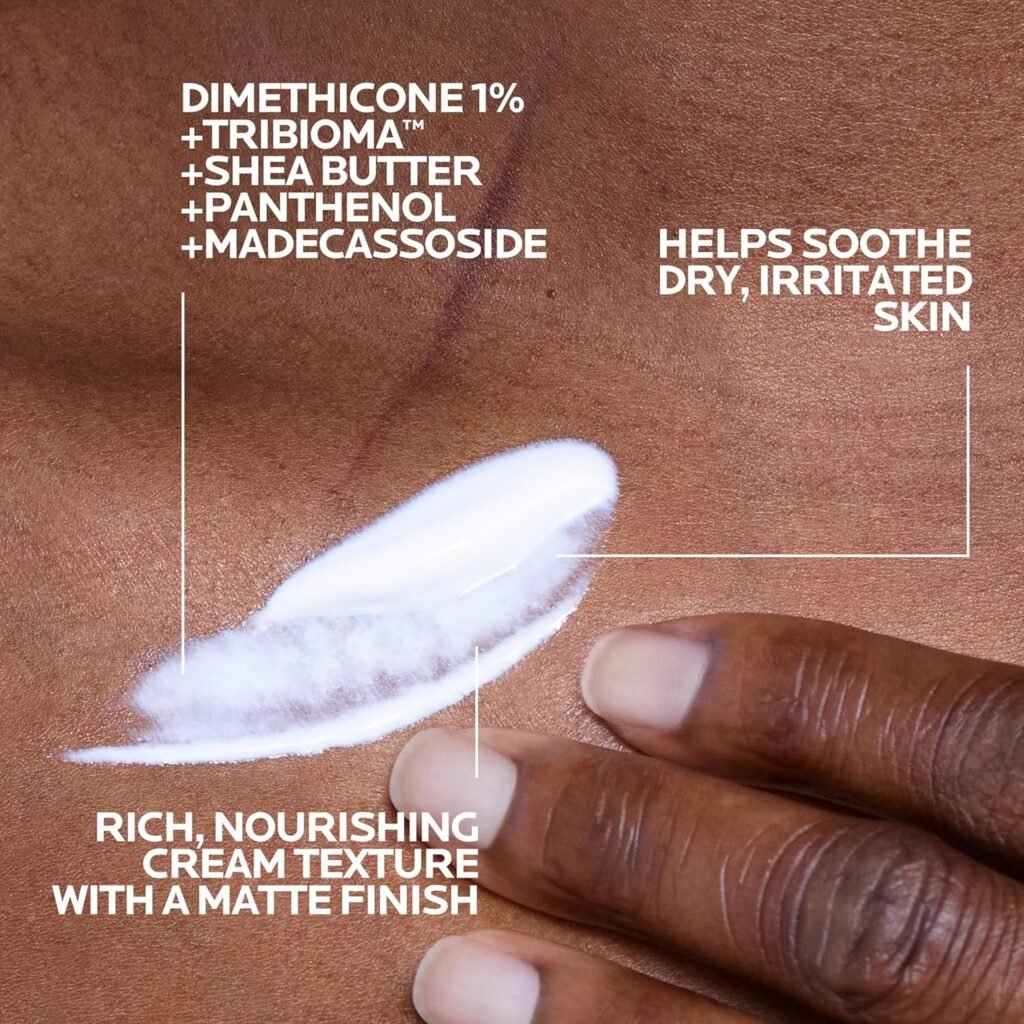
4. La Roche-Posay Cicaplast Balm B5
Price: ~$15 for 1.35oz
Key Ceramides: Part of proprietary barrier repair complex
Best For: Extremely dry, irritated, or post-procedure skin
La Roche-Posay Cicaplast Balm B5 ($15)
This multi-purpose balm is what dermatologists recommend after procedures like laser treatments or chemical peels. That should tell you something about its barrier-repairing power.
What makes it special: The formula combines 5% panthenol (vitamin B5), shea butter, madecassoside (from centella asiatica), and thermal spring water to soothe and repair damaged skin. It creates a protective barrier while actively healing irritation.
It’s accepted by the National Eczema Association and is gentle enough for babies over one week old. You can use it on face, body, lips, hands—anywhere that’s dry or irritated.
My honest take: This is my emergency product. When my skin is so irritated that even my gentlest moisturizer stings, this balm is what I reach for.
The texture is thick and balmy, which sounds heavy, but it absorbs well and provides instant relief for that tight, uncomfortable feeling. I’ve used it on everything from over-exfoliated cheeks to cracked hands to chapped lips.
Fair warning: it’s quite rich, so I typically use it at night or on specific problem areas rather than all over my face during the day. But for barrier SOS situations, nothing works faster.
5. CeraVe Intensive Moisturizing Cream
Price: ~$20 for 19oz
Key Ceramides: Three essential ceramides plus 5% Hydro-Urea
Best For: Extremely dry skin and winter barrier damage
CeraVe Intensive Moisturizing Cream ($20)
This is CeraVe’s upgraded version of their classic Moisturizing Cream, formulated specifically for extreme dryness and barrier damage.
What makes it special: In addition to the three essential ceramides, this formula includes 5% Hydro-Urea (a blend of natural moisturizing factors) and shea butter. Clinical studies show it provides 72 hours of hydration and reduces roughness by 96%, flaking by 98%, and itchiness by 99% in just one week.
The formula is richer than the original CeraVe cream, making it ideal for winter months or anyone dealing with very dry, compromised skin.
My honest take: This is what I use during harsh winter months when my regular moisturizer isn’t cutting it. The addition of urea (a humectant that draws moisture into skin) makes a noticeable difference in how hydrated my skin feels.
It’s definitely richer than the original CeraVe cream, so if you have oily skin, you might want to stick with the classic version. But for dry or mature skin, especially in winter, this is excellent.
The results are clinically proven and honestly impressive—96% improvement in radiance after just one week is no joke.
How to Use Barrier Repair Creams
Step 1: Stop everything that’s irritating your skin No retinol, no acids, no physical exfoliants, no actives. Your skin needs a break to heal.
Step 2: Simplify your routine Cleanser → Barrier repair cream → (optional SPF in morning)
That’s it. Resist the urge to add more products.
Step 3: Apply on damp skin Pat your face with a towel after cleansing but leave it slightly damp. Apply your barrier cream while your skin is still moist—this helps trap more hydration.
Step 4: Layer if needed For severely compromised barriers, you can layer products. Try a lightweight ceramide product (like the Dr. Jart+ toner) followed by a richer cream (like CeraVe or La Roche-Posay).
Step 5: Seal it in at night For overnight barrier repair, apply your ceramide cream, then seal it with an occlusive like CeraVe Healing Ointment or plain Aquaphor. This is called “slugging” and it’s incredibly effective for barrier repair.
Step 6: Be patient Barrier repair takes time. You might feel some relief immediately, but full recovery typically takes 2-4 weeks of consistent use.
What to Avoid When Your Barrier Is Compromised
Don’t:
- Use any active ingredients (retinol, vitamin C, acids)
- Over-cleanse (once a day is enough, twice max)
- Use hot water (lukewarm only)
- Try new products (stick with what you know is gentle)
- Use physical exfoliants or scrubs
- Apply essential oils or fragranced products
- Touch your face excessively
Do:
- Keep your routine minimal and gentle
- Use lukewarm water for cleansing
- Pat dry instead of rubbing
- Apply barrier repair products generously
- Wear SPF during the day (mineral sunscreens are gentlest)
- Give it time—don’t expect overnight results
- Consider sleeping on a silk or satin pillowcase
Can You Use Multiple Ceramide Products Together?
Yes! Layering ceramide products can actually be beneficial for barrier repair. Many people use a ceramide toner or serum followed by a ceramide cream for intensive repair.
The key is to layer from thinnest to thickest:
- Ceramide toner (like Dr. Jart+ Serum Toner)
- Ceramide serum (if using one)
- Ceramide cream (like CeraVe or La Roche-Posay)
- Occlusive (like CeraVe Healing Ointment) if doing overnight repair
Just make sure you’re not adding any irritating ingredients between layers—during barrier repair, ceramides and hydration are your friends, actives are not.
How Long Until You See Results?
Immediate (within hours):
- Relief from tightness and discomfort
- Skin feels softer and more comfortable
- Reduced stinging from products
Short-term (3-7 days):
- Visible reduction in redness
- Less flaking
- Smoother texture
- Makeup applies better
Long-term (2-4 weeks):
- Barrier fully restored
- Can gradually reintroduce gentle actives
- Skin looks healthier and more resilient
- Normal moisture levels restored
If you’re not seeing any improvement after a week, make sure you’ve truly eliminated all irritants from your routine. Sometimes “gentle” products still contain fragrance or other potentially irritating ingredients.
Final Thoughts
Barrier repair isn’t sexy or exciting like trying a new retinol or vitamin C serum, but it’s one of the most important things you can do for your skin. A healthy barrier is the foundation of good skin—without it, nothing else works properly.
If you’re dealing with compromised skin right now, I promise it gets better. Pick one of these ceramide creams (or a few if you want to layer), simplify your routine, and give your skin the break it desperately needs.
Your barrier will repair itself if you give it the right tools and enough time. Within a few weeks, you’ll be back to that comfortable, healthy-feeling skin that doesn’t freak out at every product you use.
Start with CeraVe Moisturizing Cream if you’re not sure where to begin—it’s affordable, effective, and works for pretty much everyone. Your skin (and wallet) will thank you.
Disclosure: This post contains affiliate links, which means I may earn a small commission if you make a purchase through these links at no additional cost to you. I only recommend products I genuinely love and think you’ll enjoy too! Keep in mind, prices may vary from what is listed here. I am not a dermatologist, for more in-depth advice please see a professional.