The Complete Beginner’s Guide to Building a Skincare Routine
If you’ve ever found yourself standing in the skincare aisle feeling completely overwhelmed, trust me—you’re not alone. Between cleansers, toners, serums, moisturizers, and about a million other products screaming at you from the shelves, figuring out where to start can feel impossible. But here’s the good news: building an effective skincare routine doesn’t have to be complicated, expensive, or require a degree in chemistry.
Whether you’re dealing with breakouts, dry patches, or you simply want to take better care of your skin, this guide will walk you through everything you need to know about creating a beginner-friendly routine that actually works. No gatekeeping, no confusing jargon—just straightforward advice that’ll have you glowing in no time.
Why You Actually Need a Skincare Routine
Before we dive into the how, let’s talk about the why. Your skin is literally your body’s largest organ, and it works 24/7 to protect you from environmental stressors, pollution, bacteria, and UV damage. A consistent skincare routine helps support your skin’s natural barrier function, keeps it hydrated, prevents premature aging, and addresses specific concerns like acne or sensitivity.
Think of skincare like brushing your teeth—it’s basic maintenance that prevents bigger problems down the road. Plus, taking a few minutes morning and night to care for your skin can be genuinely relaxing. It’s self-care that actually serves a purpose.
Step One: Know Your Skin Type
Here’s the thing: not all skin is created equal, and what works beautifully for your best friend might wreak havoc on your face. Before you buy anything, you need to figure out your skin type. This will guide every product choice you make.
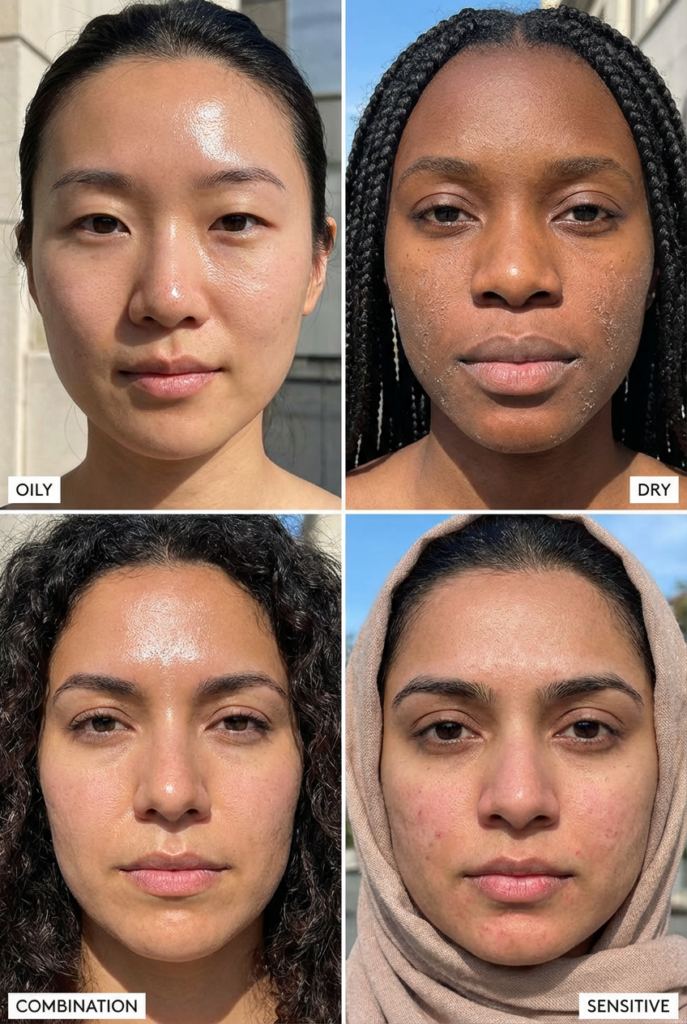
Oily Skin: If your face feels greasy a few hours after washing and you notice shine on your forehead, nose, and chin (the T-zone), you’ve got oily skin. Your pores might look larger, and you may be prone to blackheads and breakouts.
Dry Skin: Does your skin feel tight, especially after cleansing? Do you notice flakiness or rough patches? That’s dry skin. It often looks dull and may feel uncomfortable, particularly in colder weather.
Combination Skin: This is probably the most common skin type. Your T-zone is oily while your cheeks are normal or dry. You’re basically dealing with two different skin types on one face—fun, right?
Sensitive Skin: If your skin gets easily irritated, turns red quickly, or reacts negatively to new products, you likely have sensitive skin. You might also experience stinging or burning sensations with certain ingredients.
Normal Skin: Consider yourself lucky if you have this unicorn skin type. It’s well-balanced—not too oily, not too dry, minimal breakouts, and it handles most products without issue.
The Essential Three: Your Skincare Starter Pack
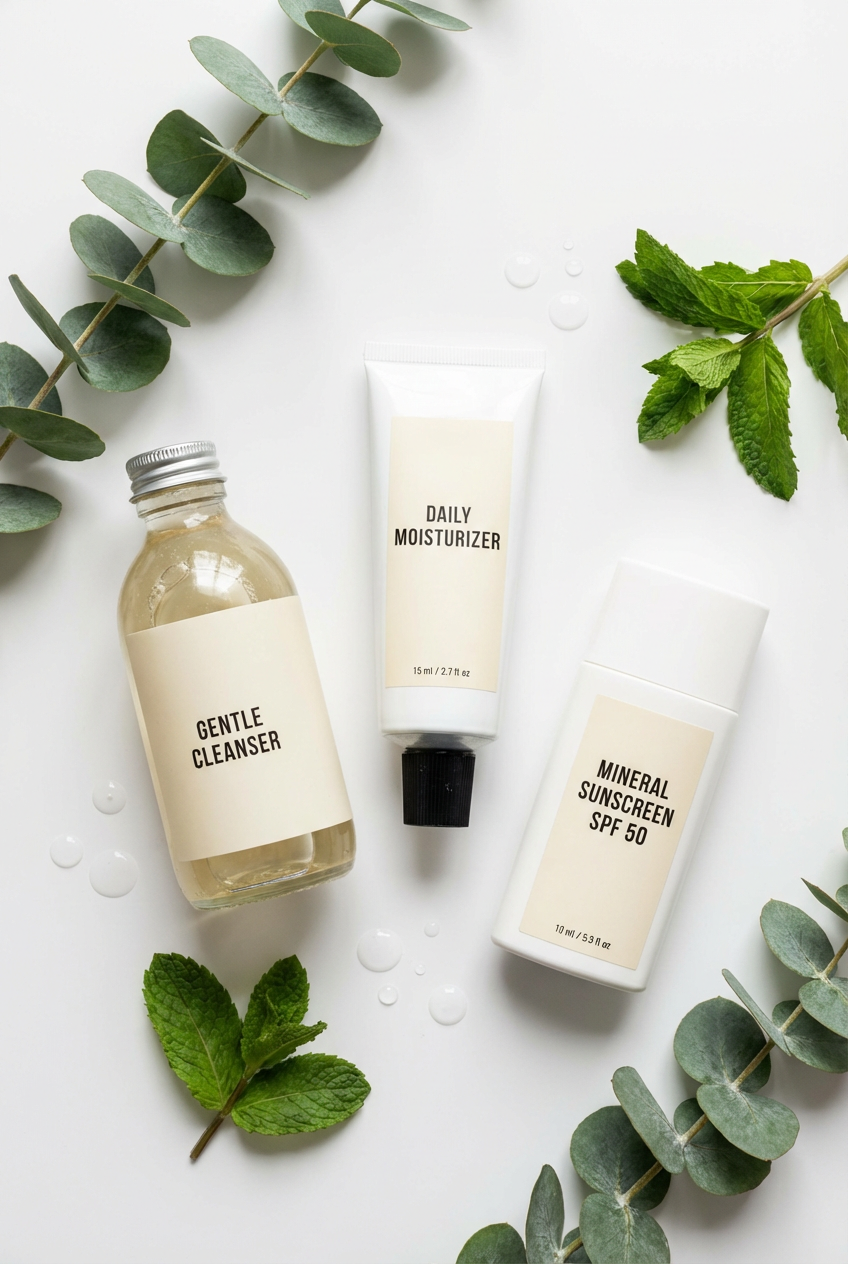
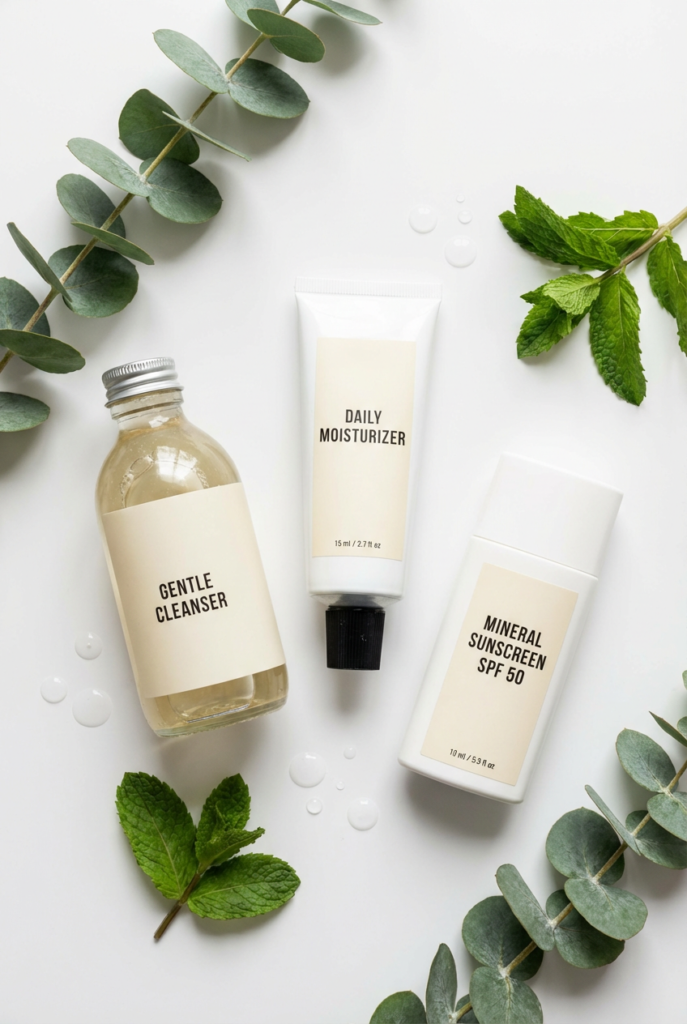
Forget the 10-step routines you see on social media. As a beginner, you only need three products to build a solid foundation: a cleanser, a moisturizer, and sunscreen. I’m serious—that’s it. This is often called the “holy trinity” of skincare, and everything else is just bonus.
The Cleanser: Your Fresh Start
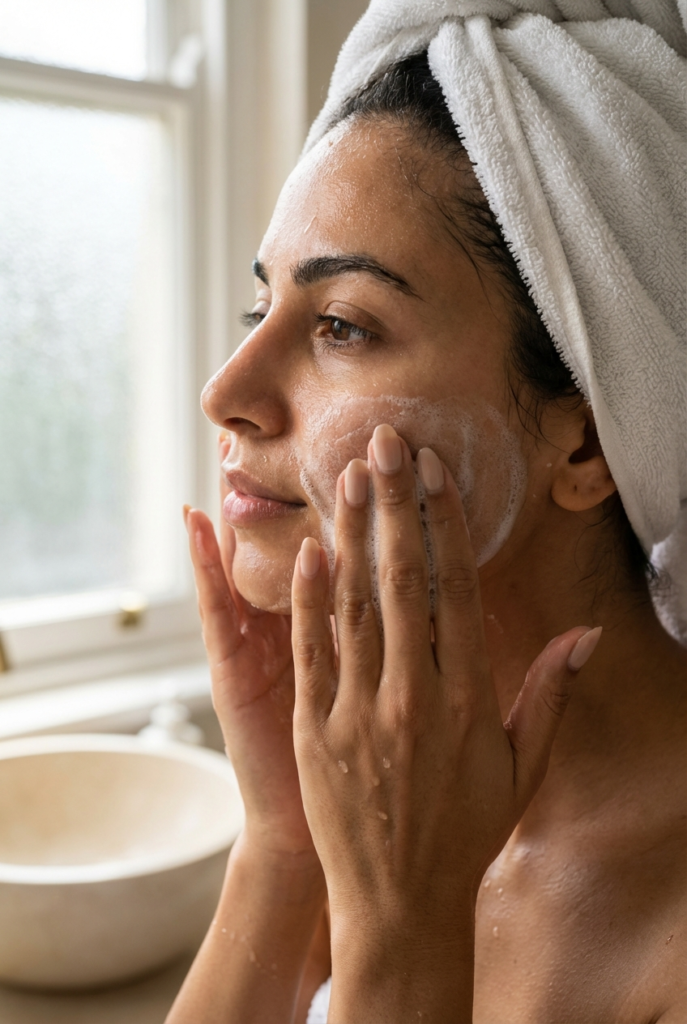
Cleansing removes dirt, oil, makeup, and all the stuff your skin accumulates throughout the day. But here’s what’s crucial: you want a gentle cleanser that cleans without stripping your skin of its natural oils.
For Oily or Acne-Prone Skin:
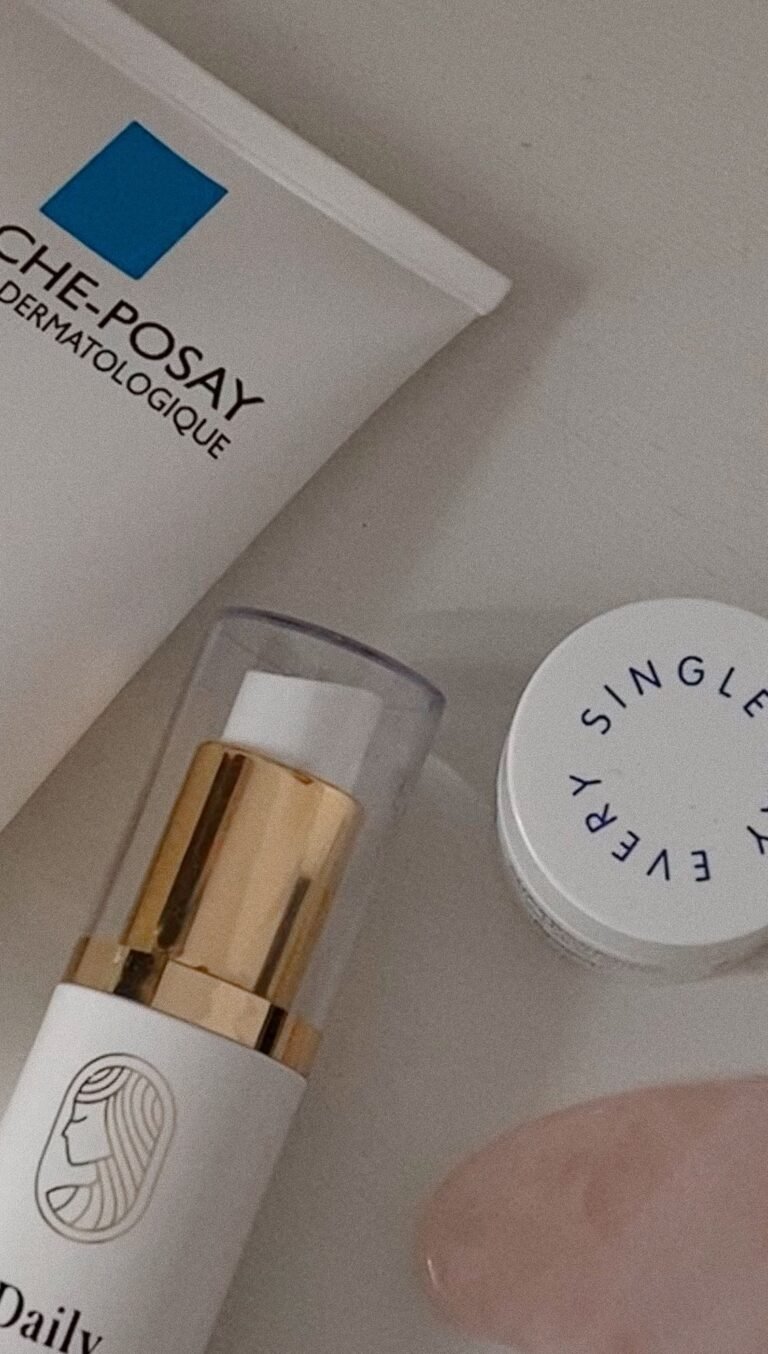
Look for foaming cleansers with ingredients like salicylic acid. The CeraVe Foaming Facial Cleanser is a dermatologist favorite that contains ceramides and niacinamide to support your skin barrier while controlling oil. Another solid option is the La Roche-Posay Effaclar Gel Cleanser, which is specifically designed to remove excess sebum without over-drying.
For Dry or Sensitive Skin:
Go for creamy, hydrating cleansers. The CeraVe Hydrating Facial Cleanser is incredibly gentle and contains hyaluronic acid to help your skin retain moisture. The La Roche-Posay Toleriane Hydrating Gentle Cleanser is another excellent choice for sensitive skin—it has a creamy texture that won’t irritate or leave your face feeling tight.
Pro tip: Cleanse twice daily—once in the morning to remove overnight buildup and once at night to wash away the day. If you wear makeup, consider using a makeup remover first, then following up with your regular cleanser. This is called double cleansing, and it ensures you’re starting with truly clean skin.
The Moisturizer: Your Hydration Hero
Every skin type needs moisture—yes, even oily skin. Moisturizers help maintain your skin’s barrier function and prevent water loss. The key is finding the right formula for your needs.
For Oily Skin:
Lightweight, oil-free, gel-based moisturizers are your best friend. The Neutrogena Hydro Boost Water Gel is a cult favorite with hyaluronic acid that hydrates without feeling heavy. The Cetaphil Daily Oil-Free Hydrating Lotion is another great option that controls shine while keeping skin comfortable.
For Dry Skin:
You need something richer and more nourishing. The CeraVe Moisturizing Cream (the one in the tub) is legendary for a reason—it’s packed with ceramides and hyaluronic acid for intense hydration. The Neutrogena Hydro Boost Gel-Cream for Extra-Dry Skin is also excellent, with a thicker formula than the water gel version.
For Combination Skin:
You’re looking for something balanced. The Cetaphil Daily Facial Moisturizer SPF 35 offers hydration plus sun protection without being too heavy. For nighttime, the La Roche-Posay Toleriane Double Repair Face Moisturizer works beautifully for all skin types.
If you want to dive deeper into which ingredients work best for your specific concerns, check out our guide on The Best Skincare Ingredients for Your Skin Type.
The Sunscreen: Your Non-Negotiable
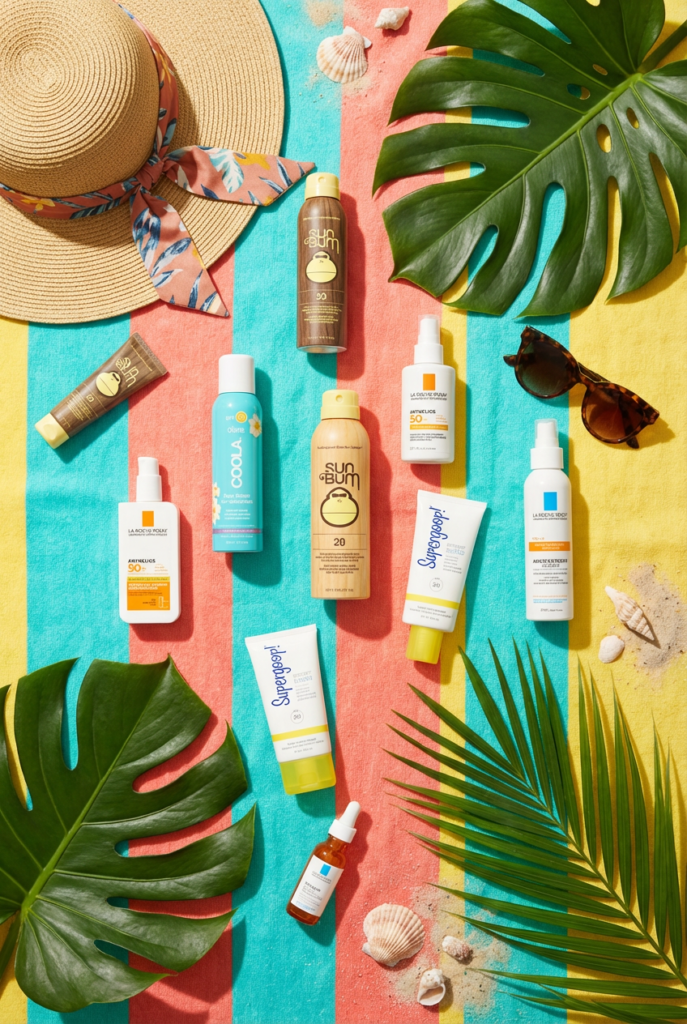
If you take away just one thing from this entire guide, let it be this: wear sunscreen every single day. Not just at the beach. Not just in summer. Every. Single. Day. Even when it’s cloudy. Even when you’re indoors most of the day (UV rays can penetrate windows).
Sunscreen protects against premature aging, dark spots, and—most importantly—skin cancer. Dermatologists agree that SPF 30 is the minimum, though SPF 50 offers slightly better protection.
Best Drugstore Sunscreens:
The CeraVe AM Facial Moisturizing Lotion SPF 30 is a two-in-one product that moisturizes and protects, making it perfect for streamlined morning routines. The La Roche-Posay Anthelios Melt-In Milk Lotion SPF 60 is consistently recommended by dermatologists and doesn’t leave a white cast on any skin tone.
For sensitive skin, the CeraVe Hydrating Sheer Sunscreen SPF 30 offers gentle protection with a lightweight feel. If you prefer mineral sunscreens, the Neutrogena Clear Face Liquid Sunscreen SPF 50 is specifically designed for acne-prone skin and won’t clog pores.
Pro tip: Apply sunscreen as the last step of your morning skincare routine, about 15 minutes before sun exposure. Use about a half teaspoon for your face and neck—most people don’t use enough, which reduces the effectiveness.
Building Your Routine: Morning vs. Night
Now that you know your essential products, let’s talk about when and how to use them.
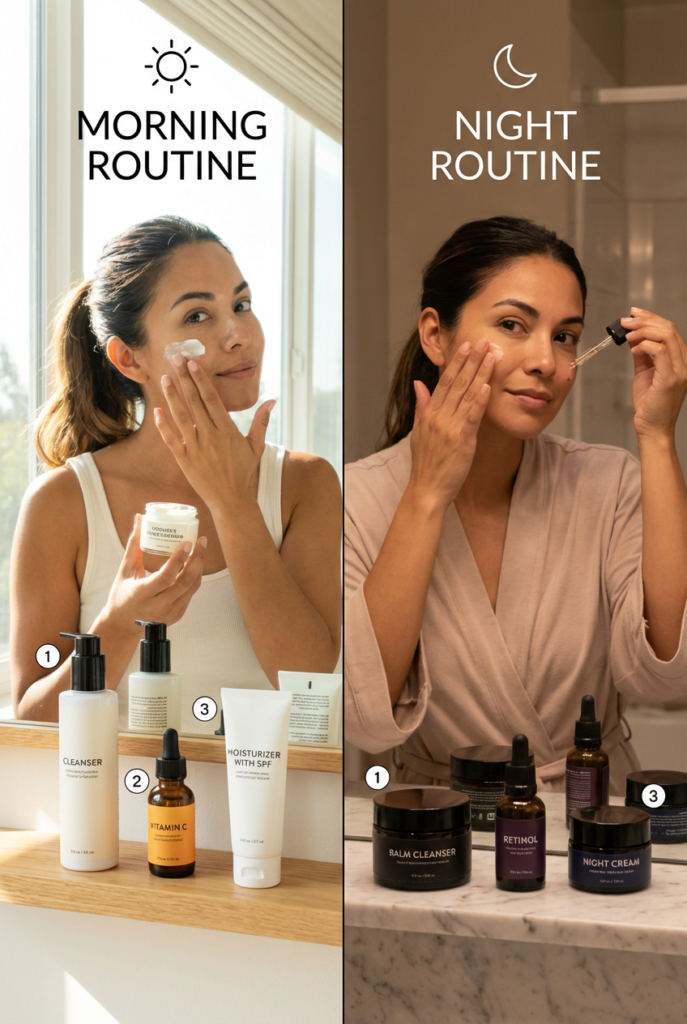
Your Morning Routine:
Step 1: Cleanse with your chosen cleanser
Step 2: Apply moisturizer to damp skin (this helps lock in hydration)
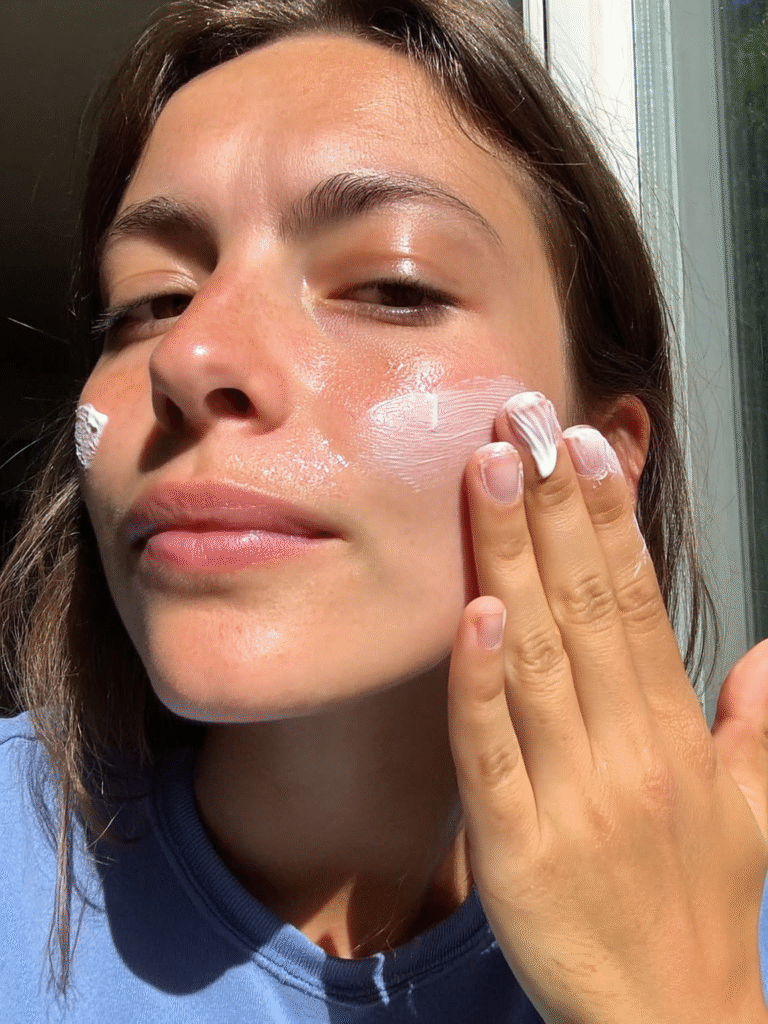
Step 3: Apply sunscreen and let it absorb before makeup
That’s literally it. Three steps, maybe five minutes total. You can do this while your coffee brews.
Your Nighttime Routine:
Step 1: Remove makeup if you wear it (makeup wipes, micellar water, or cleansing balm work great)
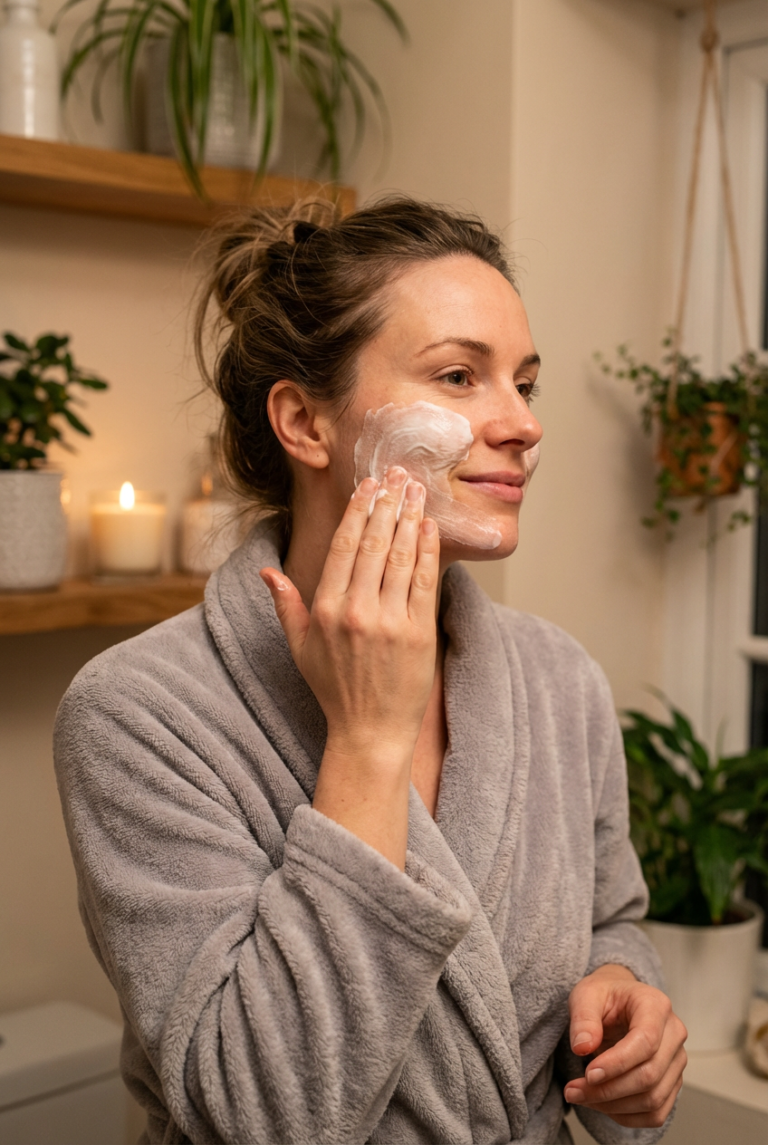
Step 2: Cleanse thoroughly
Step 3: Apply your night moisturizer (you can use a richer formula at night if you want)
Nighttime is when your skin does most of its repair work, so this routine helps support that natural regeneration process. For more detailed guidance on the order in which to apply products as your routine expands, read our post on How to Layer Skincare Products in the Correct Order.
Common Beginner Mistakes (And How to Avoid Them)
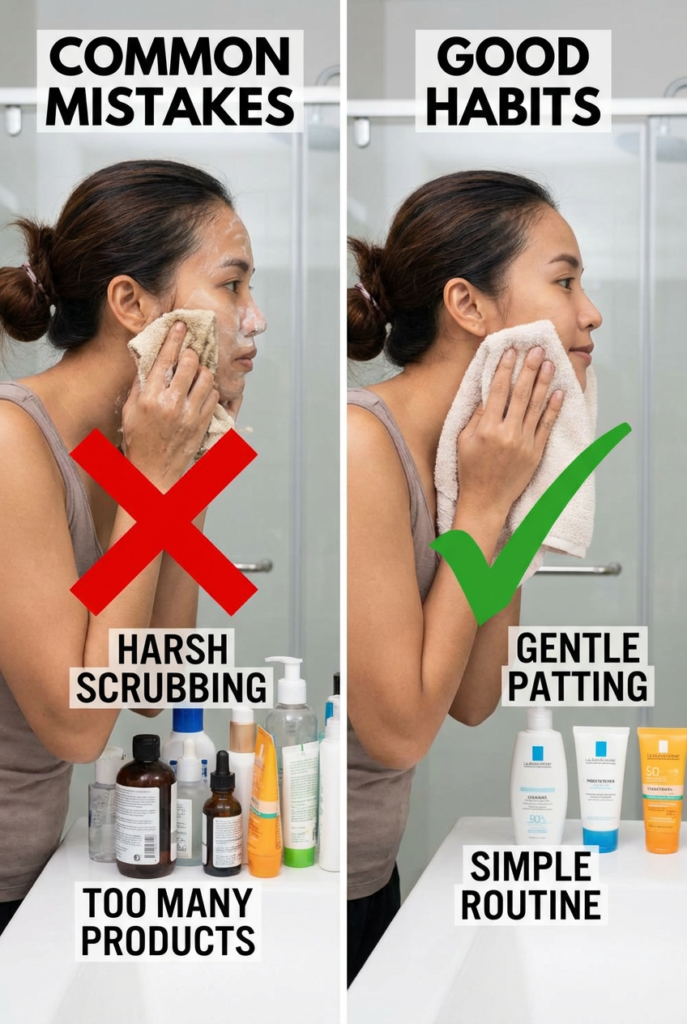
Mistake #1: Buying Too Many Products at Once
I know it’s tempting to buy everything that promises perfect skin, but your skin needs time to adjust to new products. Introduce one new product at a time and wait at least two weeks before adding another. This way, if something causes a reaction, you’ll know exactly what the culprit is.
Mistake #2: Expecting Overnight Results
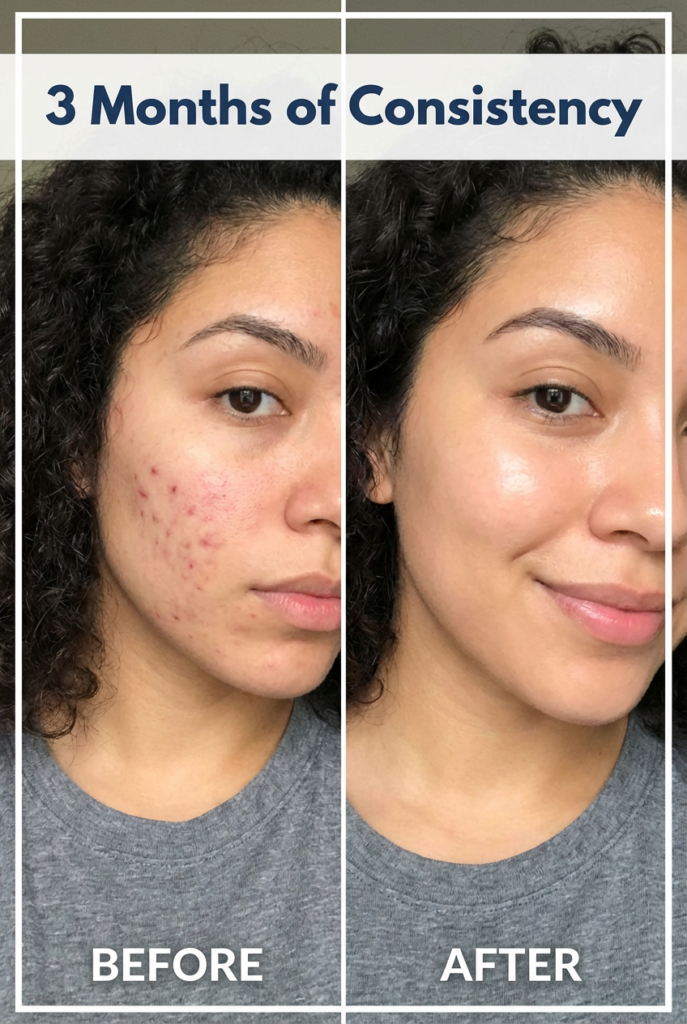
Skincare is a marathon, not a sprint. Your skin naturally renews itself about every 28 days, which means visible changes typically take 8-12 weeks. Patience is key.
Mistake #3: Over-Exfoliating
You don’t need to scrub your face raw to get clean skin. In fact, over-exfoliating can damage your skin barrier and make problems worse. As a beginner, skip physical scrubs initially and stick to your basic routine. Once your skin is comfortable, you can explore gentler chemical exfoliants.
Mistake #4: Using Hot Water
Hot water feels amazing, but it strips your skin of natural oils. Lukewarm water is your best bet for cleansing—your skin will thank you.
Mistake #5: Skipping Sunscreen
Yes, I’m mentioning this again because it’s that important. No sunscreen = undoing all your other skincare efforts. Make it non-negotiable.
When to Add More Products
Once your basic routine feels comfortable (give it at least a month), you can start incorporating targeted treatments:
Serums: These concentrated formulas address specific concerns like dark spots, fine lines, or dehydration. Popular options include vitamin C serums for brightening and hyaluronic acid serums for extra hydration.
Treatments: Products containing active ingredients like retinol, vitamin C, or niacinamide can be game-changers, but they should be introduced carefully. If you’re concerned about maintaining your skin barrier, our article on 5 Best Barrier Repair Creams with Ceramides covers products that can help protect and restore your skin.
Eye Cream: The skin around your eyes is delicate and might benefit from specialized care, though this isn’t essential for everyone, especially when you’re just starting out.
Face Masks: Fun but optional—think of these as bonus treats rather than necessities.
Special Considerations
For Sensitive Skin
If your skin tends to react to products, always patch test new products on your inner arm or behind your ear before using them on your face. Look for fragrance-free, hypoallergenic formulas from brands like CeraVe, La Roche-Posay, and Cetaphil that are specifically designed for reactive skin. Our comprehensive guide Managing Sensitive Skin: Products and Ingredients to Avoid can help you navigate which ingredients to look for and which to skip.
For Acne-Prone Skin
Consistency is everything. Don’t switch products every week—give them time to work. Look for non-comedogenic (won’t clog pores) products and avoid anything too heavy. Start with a simple routine and only add acne treatments once your basic routine is established.
For Mature Skin
Even if you’re new to skincare, it’s never too late to start. Focus on hydration and sun protection first. Once you’re comfortable, you can explore anti-aging ingredients like retinol or vitamin C.

Shopping on a Budget
Great skincare doesn’t have to cost a fortune. Drugstore brands like CeraVe, Neutrogena, Cetaphil, and La Roche-Posay offer dermatologist-approved formulas at accessible prices. A basic three-product routine can cost under $50 total and last you months.
Look for value sizes—many of these brands offer larger bottles that bring the per-ounce cost way down. Shopping at stores like Target, CVS, or Amazon often means better deals than specialty beauty retailers. If you’re on a tight budget, our post Skincare on a Student Budget: Products That Actually Work has even more money-saving tips and product recommendations.
How to Stay Consistent
The best skincare routine is the one you’ll actually do. Here are some tips for making it stick:
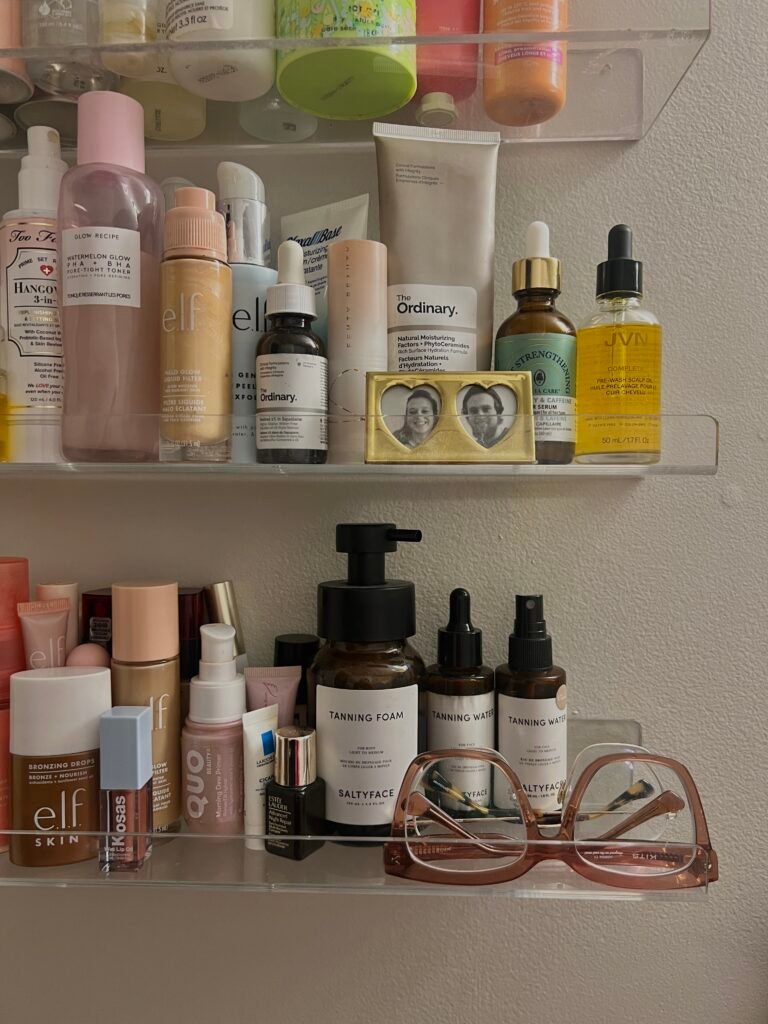
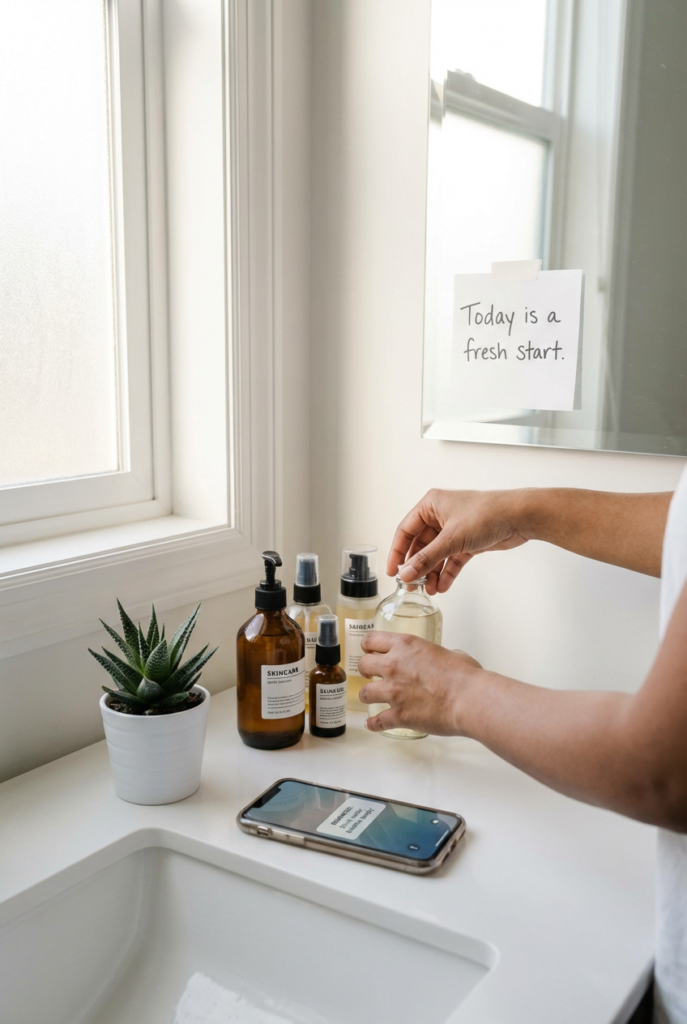
- Keep your products visible on your bathroom counter
- Do your routine at the same time each day
- Use reminder apps if you’re forgetful
- Make it enjoyable—play music, light a candle, whatever makes you look forward to it
- Track your progress with photos (trust me, you’ll want to see the before and after)
When to See a Dermatologist
While a good routine can address many concerns, sometimes you need professional help. Consider seeing a dermatologist if:
- Your acne is severe or painful
- Over-the-counter products haven’t helped after 3 months
- You notice unusual moles or skin changes
- Your skin is consistently irritated or reactive
- You want personalized advice for specific concerns
According to the American Academy of Dermatology, regular skin checks are important for everyone, regardless of skin type or concerns.
The Bottom Line
Starting a skincare routine doesn’t have to be intimidating. Begin with the basics—a gentle cleanser, a good moisturizer, and daily sunscreen. Give your skin time to adjust, stay consistent, and resist the urge to buy every trendy product that crosses your feed. Your future self (and your skin) will thank you.
Remember, glowing skin isn’t about perfection—it’s about finding what works for you and sticking with it. Whether you’re dealing with breakouts, dryness, or just want to maintain healthy skin, a simple routine is your foundation. Everything else is just extra credit.
This post contains affiliate links. If you make a purchase through these links, I may earn a small commission at no extra cost to you. I only recommend products I genuinely believe in or have researched thoroughly. As always, please do your own research and consult with a dermatologist for personalized skincare advice.