Double Cleansing Explained: Why and How to Do It Right
If you’ve noticed your skin still feels grimy after washing your face, or your breakouts won’t budge despite a solid skincare routine, you might be missing a crucial step: double cleansing.
This K-beauty staple has gone mainstream for good reason. But like any skincare technique, there’s a right way and a wrong way to do it. Let’s break down everything you need to know about double cleansing, including how to choose the right products for your skin type.
What Is Double Cleansing?
Double cleansing is exactly what it sounds like: washing your face twice using two different types of cleansers. The first cleanse uses an oil-based cleanser to dissolve makeup, sunscreen, and sebum. The second cleanse uses a water-based cleanser to remove sweat, dirt, and any remaining impurities.
Think of it like washing dishes. You wouldn’t try to clean a greasy pan with just water, right? You need dish soap to break down the oil first. Your face works the same way.
Why Double Cleanse? The Science Behind It
Your skin accumulates more than just visible makeup throughout the day. Sunscreen, pollution particles, excess sebum, and even the natural oils your skin produces create a film that single cleansing often can’t fully remove.
The benefits of double cleansing include:
Better product absorption: When your skin is truly clean, serums and moisturizers can penetrate more effectively rather than sitting on top of a layer of residue.
Fewer breakouts: Oil-based cleansers dissolve the sebum and debris clogging your pores, which water-based cleansers alone can’t tackle. This is particularly helpful for preventing blackheads and congestion.
Clearer, brighter skin: Removing the daily buildup of sunscreen and environmental pollutants helps prevent dullness and uneven texture over time.
Less irritation: Paradoxically, using two gentle cleansers is often less harsh than scrubbing with one aggressive cleanser trying to remove everything.

Who Should Double Cleanse?
While double cleansing can benefit most people, it’s particularly useful if you:
- Wear makeup regularly
- Use mineral or water-resistant sunscreen
- Have oily or combination skin
- Live in a humid or polluted environment
- Exercise and sweat during the day
- Struggle with congested pores or blackheads
If you have very dry or sensitive skin, you might only need to double cleanse in the evening, not morning and night.
How to Double Cleanse: Step-by-Step
Step 1: The Oil Cleanse
Start with dry hands and a dry face. This is important because oil and water don’t mix, and you want the oil cleanser to properly bind with the oils on your skin.
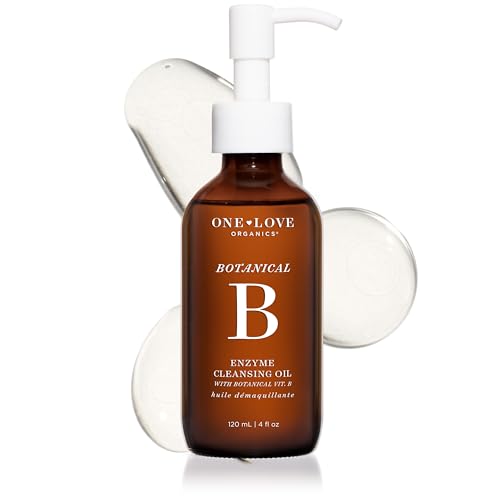
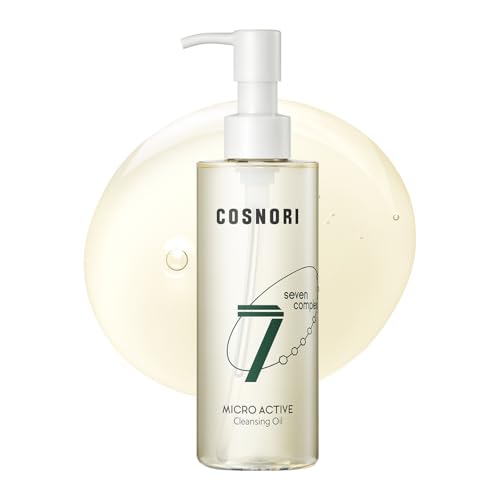
Apply your oil cleanser generously and massage it into your skin for 60-90 seconds. Focus on areas where makeup, sunscreen, or oil tends to accumulate: around your nose, chin, and forehead. Don’t forget your eyelids if you wear eye makeup.
Product recommendations for Step 1:
- DHC Deep Cleansing Oil: This cult-favorite Japanese cleansing oil has been around for decades. It’s lightweight, effective at removing waterproof makeup, and suitable for most skin types. The olive oil base dissolves everything without leaving a greasy residue.
- Banila Co Clean It Zero Cleansing Balm Original: If you prefer a balm texture, this sherbet-like cleanser melts into oil upon contact with skin. It’s particularly satisfying to use and comes with a small spatula for hygienic application.
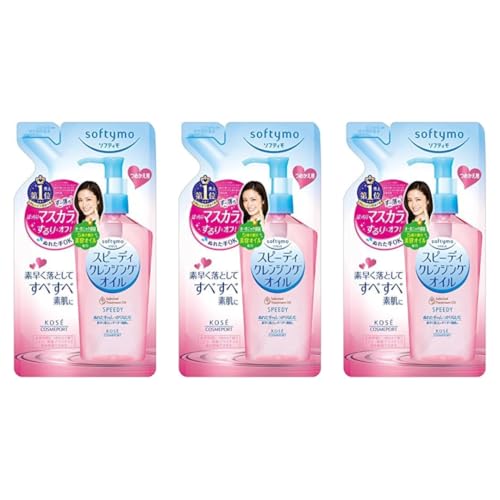
- Kose Softymo Speedy Cleansing Oil: A budget-friendly option that works remarkably well. It emulsifies quickly and rinses clean, making it perfect for those new to oil cleansing.
- The Face Shop Rice Water Bright Cleansing Light Oil: Great for combination skin, this lightweight formula contains rice water to brighten while it cleanses. It removes makeup thoroughly without feeling heavy.
Add a splash of water to emulsify the oil (it should turn milky white), then rinse thoroughly with lukewarm water.
Step 2: The Water-Based Cleanse
Now that you’ve removed the oil-soluble debris, it’s time for your second cleanse. This step removes water-based impurities like sweat and any remaining traces of your first cleanser.
Choose a gentle, pH-balanced cleanser appropriate for your skin type. Massage it onto damp skin for 30-60 seconds, then rinse with lukewarm water.
Product recommendations for Step 2:
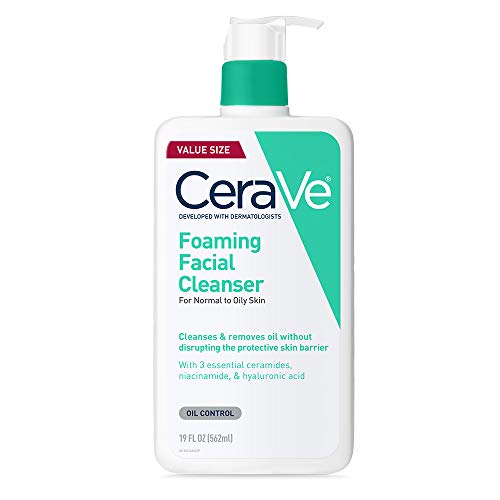
- CeraVe Foaming Facial Cleanser: This dermatologist-recommended cleanser contains ceramides and hyaluronic acid to cleanse without stripping your skin. The foaming formula works well for normal to oily skin types.
- La Roche-Posay Toleriane Hydrating Gentle Cleanser: Perfect for dry or sensitive skin, this creamy, non-foaming cleanser is fragrance-free and won’t disrupt your skin barrier.
- COSRX Low pH Good Morning Gel Cleanser: With a skin-friendly pH of 5.0-6.0, this gentle gel cleanser contains tea tree oil to help with blemishes while keeping skin balanced. It’s ideal for daily use.
- Cetaphil Gentle Skin Cleanser: A classic for sensitive skin, this mild formula can be used with or without water and won’t cause irritation.
- Vanicream Gentle Facial Cleanser: Free of dyes, fragrance, and harsh sulfates, this is an excellent choice for those with reactive or eczema-prone skin.

Common Double Cleansing Mistakes to Avoid
Using hot water: Hot water can strip your skin and cause irritation. Stick with lukewarm water throughout the process.
Skipping the oil cleanse when you don’t wear makeup: Even without makeup, you’re wearing sunscreen (right?), plus your skin produces its own oils. The oil cleanse is still beneficial.
Using harsh, stripping cleansers: Your second cleanser should be gentle. If your skin feels tight and squeaky clean, it’s too harsh.
Over-cleansing: Double cleansing once a day (in the evening) is enough for most people. Your skin needs some of its natural oils to stay healthy.
Not massaging long enough: Give the first cleanse at least 60 seconds to properly dissolve everything on your skin’s surface.
When to Double Cleanse
For most people, double cleansing once daily in the evening is sufficient. This removes the day’s accumulation of sunscreen, makeup, pollution, and oil.
In the morning, your skin typically only needs a single gentle cleanse, or even just a splash of water if you have dry skin. You’re only removing overnight oil production and any products from your nighttime routine.
Tailoring Double Cleansing to Your Skin Type
Oily skin: Look for lightweight oil cleansers that won’t feel heavy, and choose a foaming second cleanser. Try the Kose Softymo Speedy Cleansing Oil paired with CeraVe Foaming Facial Cleanser.
Dry skin: Opt for nourishing oil cleansers and creamy, non-foaming second cleansers. The DHC Deep Cleansing Oil with La Roche-Posay Toleriane is an excellent combination.
Sensitive skin: Choose fragrance-free, minimal-ingredient formulas for both steps. Stick with gentle options like Banila Co Clean It Zero (fragrance-free version) and Vanicream Gentle Facial Cleanser.
Combination skin: Use a balanced approach with a medium-weight oil cleanser and a gentle gel cleanser. The Face Shop Rice Water Bright Oil with COSRX Low pH Good Morning Gel Cleanser works well.
Acne-prone skin: Double cleansing can actually help with acne by thoroughly removing pore-clogging debris. Choose non-comedogenic oil cleansers and pair with a salicylic acid or tea tree cleanser for the second step.
The Bottom Line
Double cleansing isn’t just a trend; it’s a genuinely effective way to ensure your skin is properly clean without over-stripping. By using the right products and technique, you’ll create the perfect canvas for the rest of your skincare routine to work its magic.
Start slowly if you’re new to this method. Try it a few times a week and see how your skin responds. Most people notice clearer, smoother skin within a few weeks of consistent double cleansing.
Remember, the best skincare routine is one you’ll actually stick with. If double cleansing feels fussy or time-consuming at first, give it a chance. Once you see the results and it becomes habit, those extra two minutes will feel like a small investment in noticeably better skin.
Disclaimer: This post contains affiliate links. Individual results may vary, and what works for one person’s skin may not work for another. If you have specific skin concerns, consult with a dermatologist.