Mannequin Skin Makeup Tutorial: The AI-Inspired Trend Taking Over 2026
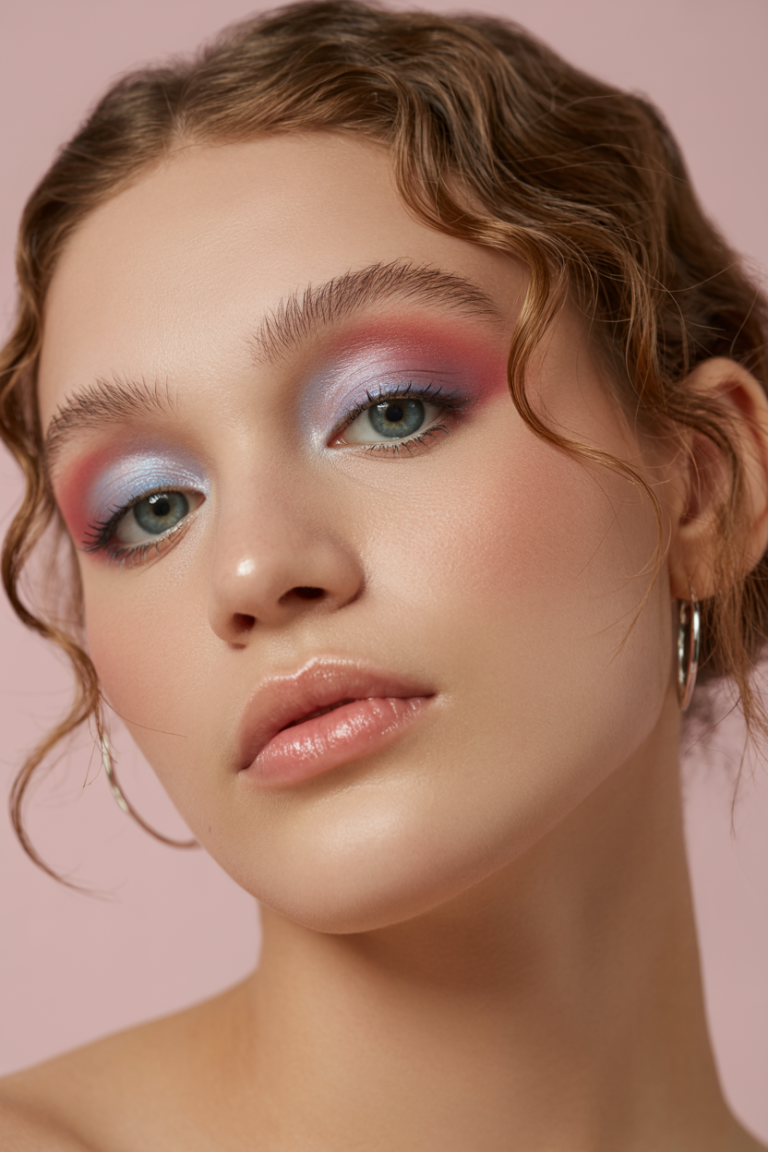
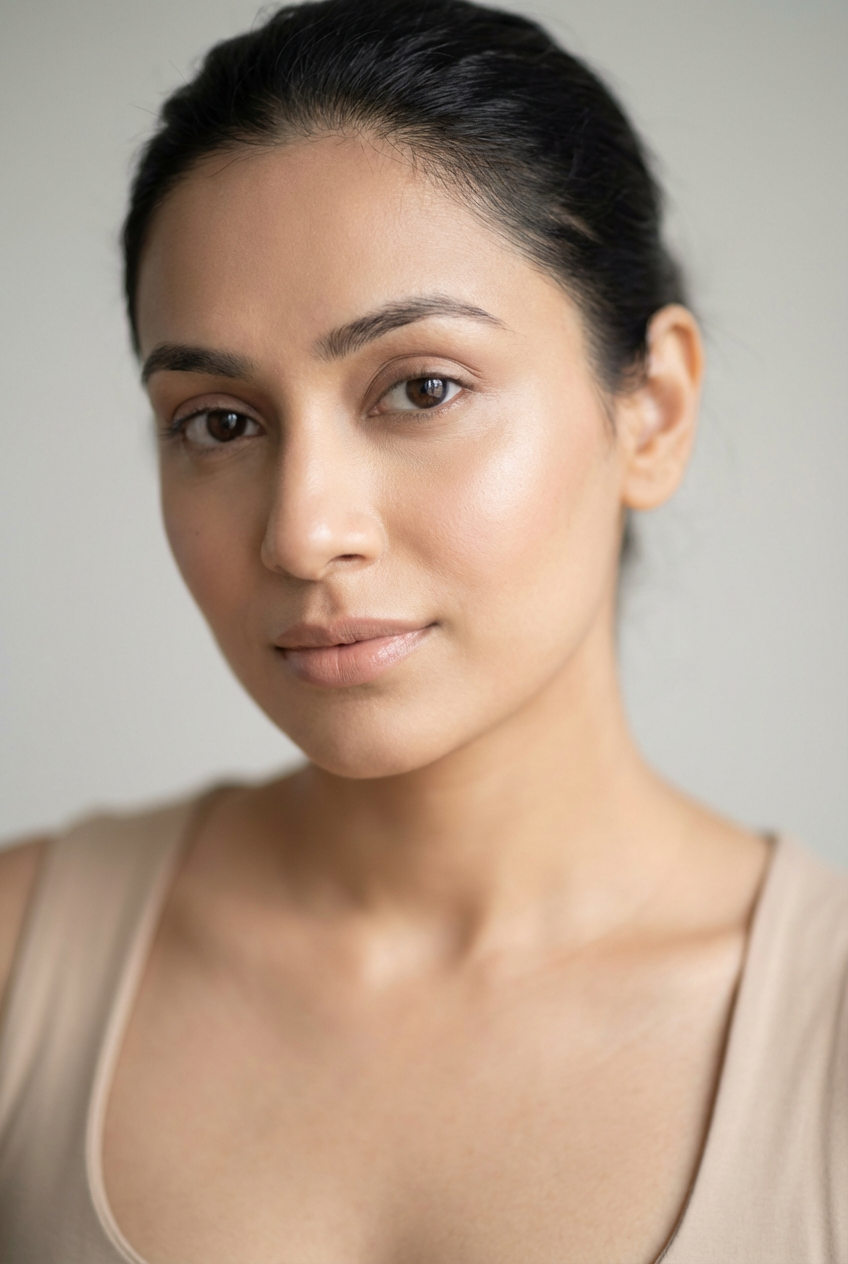
If you’ve been scrolling through TikTok or keeping up with fashion week beauty looks lately, you’ve probably noticed something eerily perfect happening with people’s skin. It’s not glass skin, it’s not cloud skin—it’s mannequin skin, and it’s about to be everywhere in 2026. This AI-inspired makeup trend is all about creating that impossibly smooth, soft-focus, almost-too-perfect complexion that looks like it’s been run through a beauty filter… except it’s real.
Honestly, the first time I saw mannequin skin done well, I couldn’t look away. There’s something hypnotic about skin that looks simultaneously human and otherworldly—flawless but not flat, smooth but still textured. It’s the beauty equivalent of the uncanny valley, except instead of being unsettling, it’s absolutely stunning.
What Exactly Is Mannequin Skin?
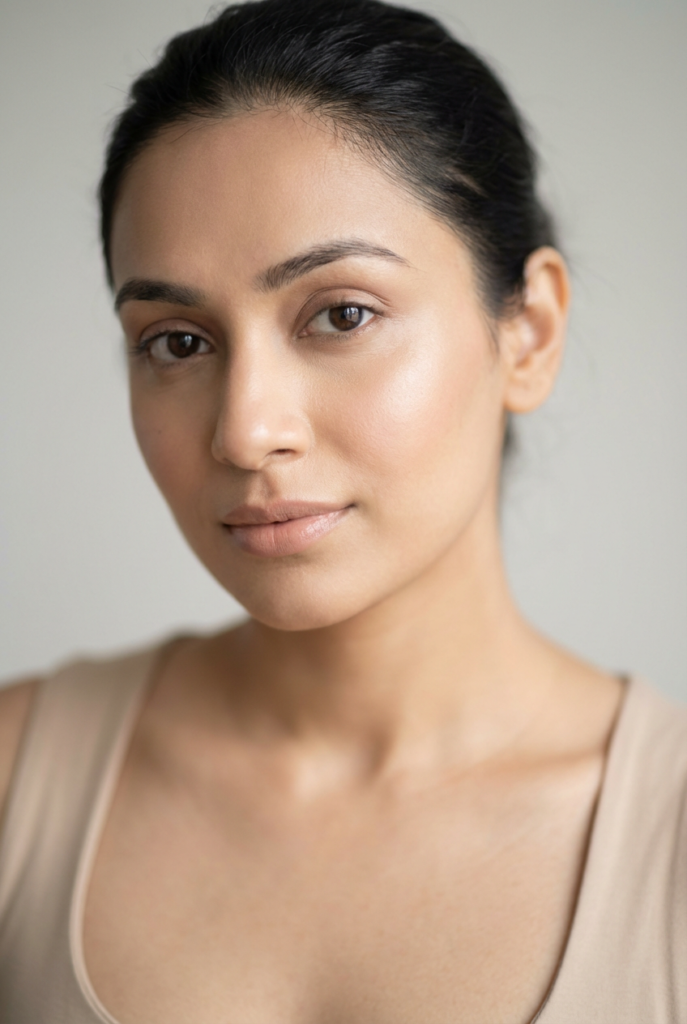
According to makeup artists who dominated the Spring/Summer 2026 runways, mannequin skin is the evolution of all those Korean beauty skin trends we’ve been obsessed with. But while glass skin is all about dewy radiance and cloud skin focuses on that soft, diffused glow, mannequin skin lives somewhere in between—or beyond, depending on how you look at it.
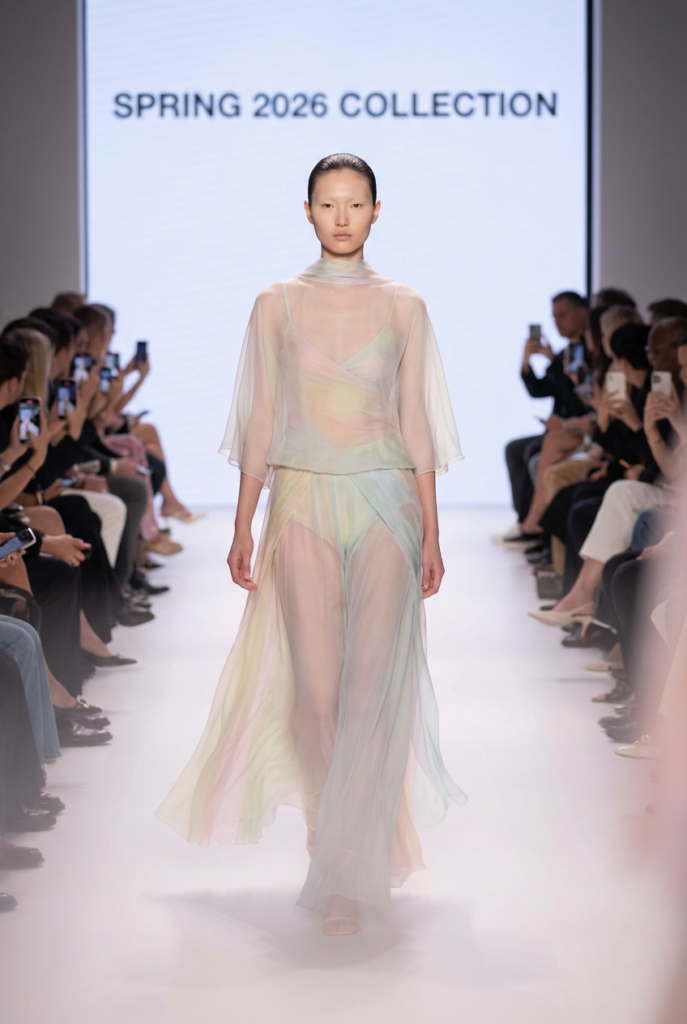
“Because of AI, everyone’s obsessed with skin,” Romero Jennings, MAC Cosmetics’ Director of Artistry, told WWD. “It’s about creating this futuristic, filtered-looking complexion.” The trend appeared on multiple Spring/Summer 2026 runways including Wiederhoeft, Sandy Liang, and Kim Shui, where makeup artists created that almost-plastic perfection using strategic layering of matte and luminous textures.
Copenhagen Fashion Week veteran Sidsel Marie Bøg calls it “hyper-natural” in an interview with Vogue Scandinavia, explaining it’s “seamless, soft-blurred, with real texture showing through.” So it’s not about erasing your skin entirely—it’s about creating this soft-focus blur that makes you look like the most perfect version of yourself.
The Difference Between Mannequin Skin and Everything Else
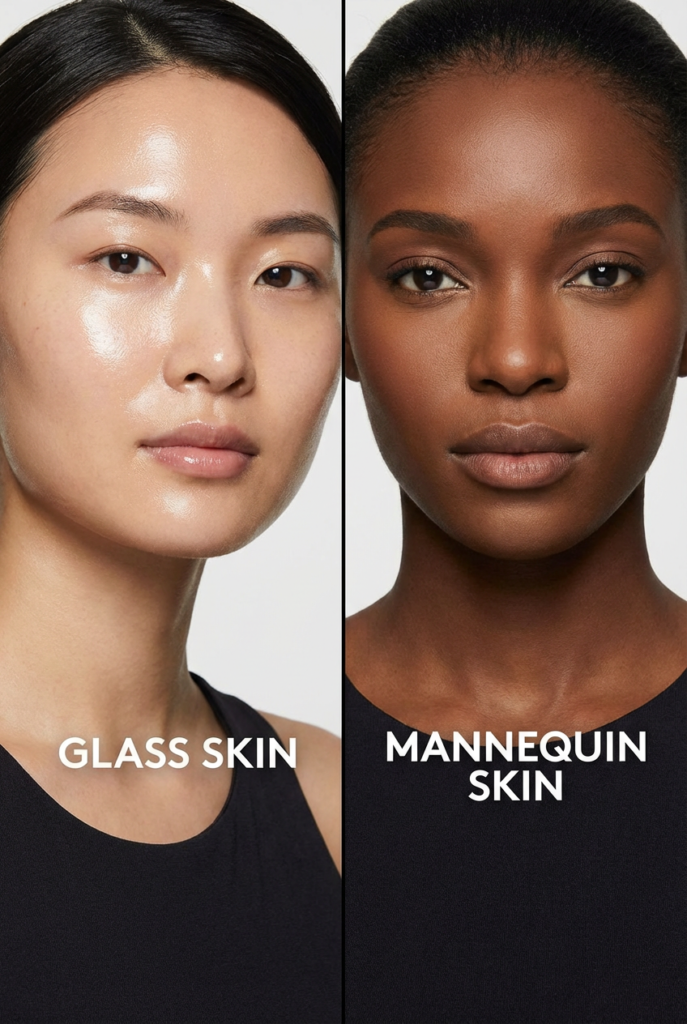
Here’s where it gets interesting. Glass skin is all glow, all the time—think wet, reflective, almost lacquered. Cloud skin is soft and diffused but still pretty natural-looking. Mannequin skin? It’s this perfect hybrid of matte and luminous that somehow looks both airbrushed and real at the same time.
The key is strategic placement. You’re not going full matte or full dewy—you’re mattifying certain areas (like your T-zone and under-eyes) while adding targeted luminosity to high points of the face. The result is this lumi-matte effect that photographs like a dream and looks impossibly smooth in person.
According to MAC’s official tutorial, makeup artist Alexandra French describes it as “not a full dewy look but rather a lumi-matte mannequin skin.” You’re creating dimension with texture instead of color, which is what gives it that futuristic, almost otherworldly quality.
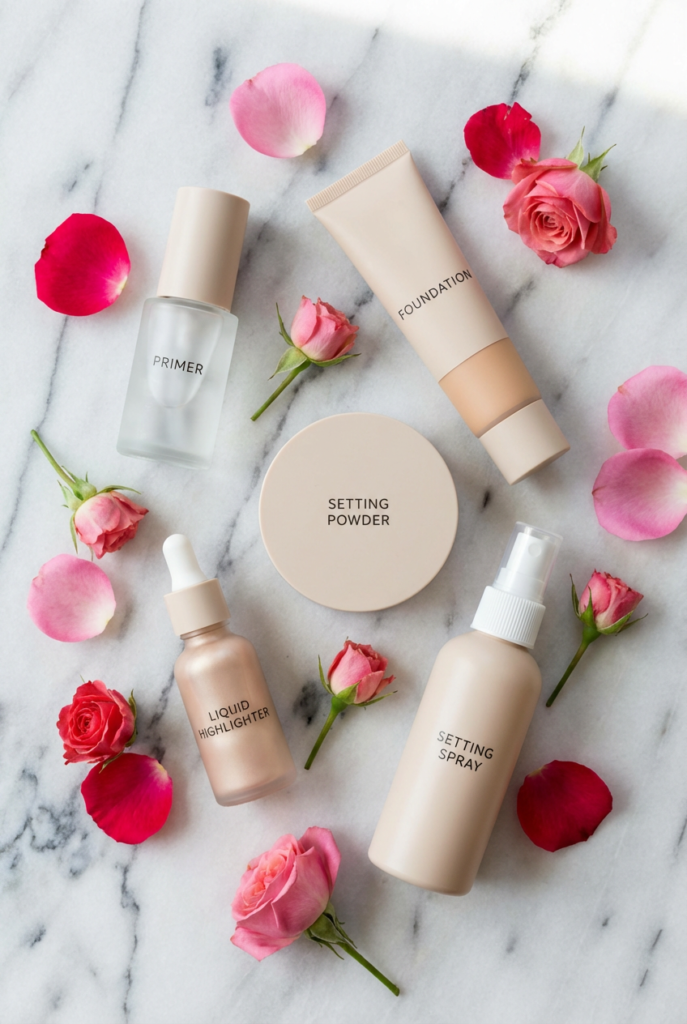
How to Create Mannequin Skin: The Step-by-Step
Ready to try this trend yourself? Here’s exactly how to recreate that runway-worthy mannequin skin at home.
Step 1: Start with Seriously Good Skincare
This trend lives and dies on your skin prep. Unlike heavy Instagram makeup that can pile on products to hide everything, mannequin skin requires smooth, hydrated skin as your base. Start with our guide on How to Layer Skincare Products in the Correct Order to get your base right.
Your skin should be plump, hydrated, and prepped before you even think about makeup. Use a hydrating serum (hyaluronic acid is your friend here) and a lightweight moisturizer that won’t pill under makeup. Give everything at least five minutes to sink in before moving to primer.
Step 2: Prime for That Soft-Focus Blur
The primer is where the magic starts. You need something that literally blurs your pores and fine lines into oblivion. This isn’t the time for a glowy, illuminating primer—you want blur, blur, and more blur.
Best Blur Primers for Mannequin Skin:
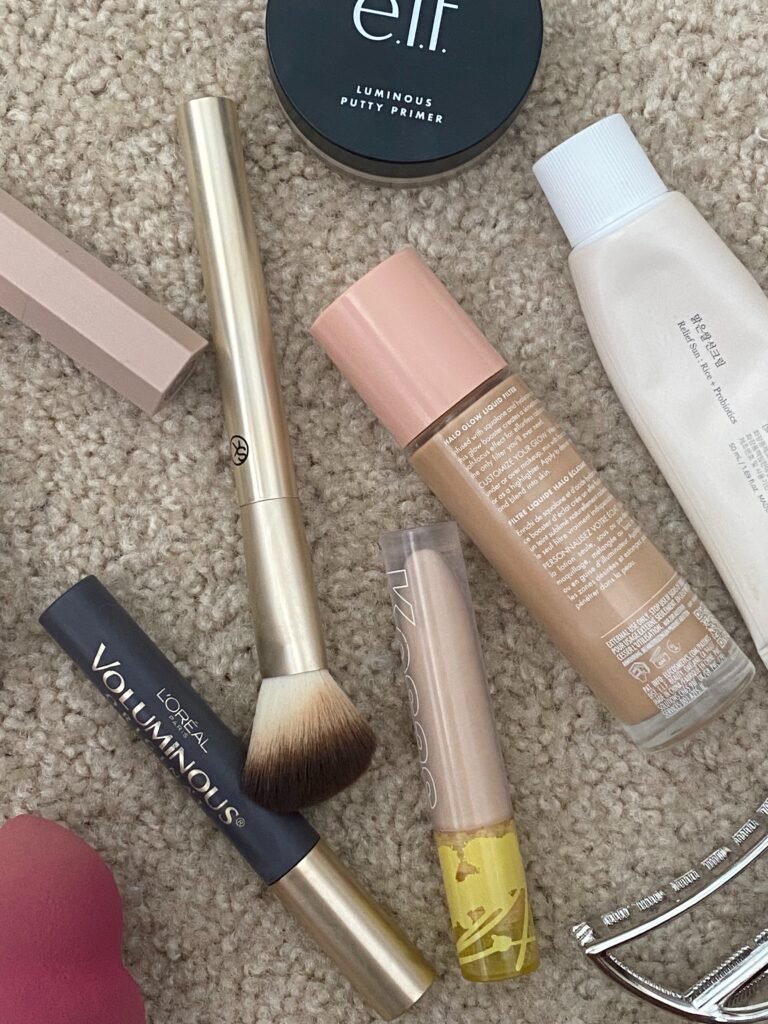
The e.l.f. Cosmetics Poreless Putty Primer is shockingly good for the price point—it has that balm-to-silk texture that melts into skin and genuinely smooths everything out. For something more luxe, the Huda Beauty Easy Blur Primer is silicone-free but still delivers that soft-focus effect.
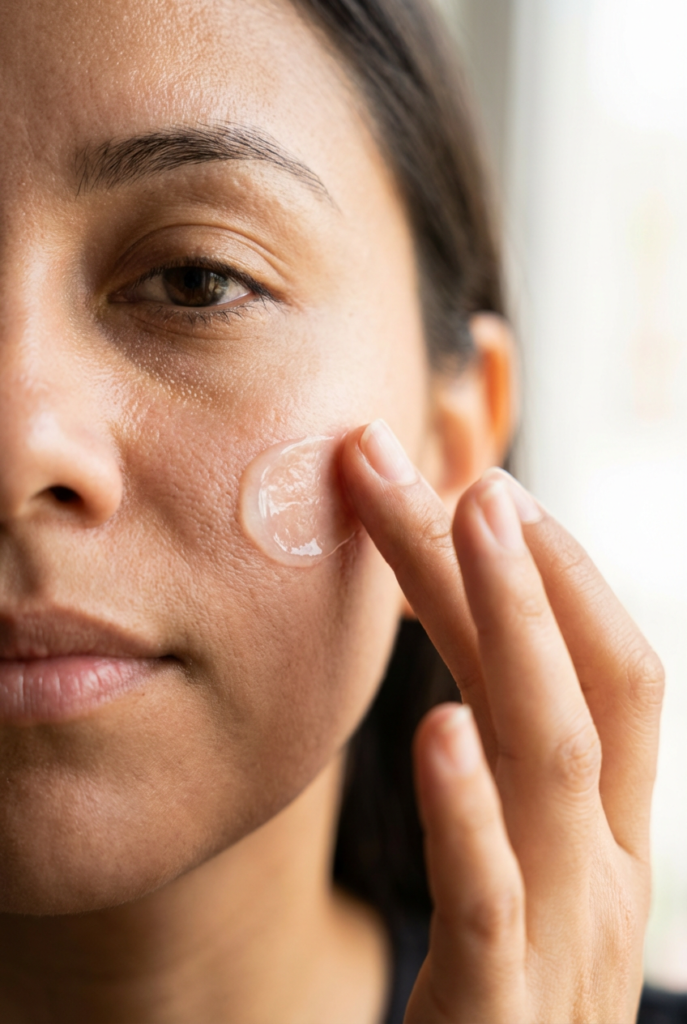
If you’re dealing with larger pores or texture, Smashbox Photo Finish Smooth & Blur Primer is a cult classic for a reason. Apply with your fingertips, gently pressing the product into your skin rather than rubbing—you want to fill in texture, not move it around.
Step 3: Foundation That Does the Heavy Lifting
For mannequin skin, you want medium-to-full coverage foundation with a satin or blur-matte finish. Skip anything too dewy (that’s glass skin territory) or fully matte (too flat and chalky).
The Best Foundations for Mannequin Skin:
MAC Studio Fix Powder Plus Foundation is literally designed for this trend. The reformulated version (launched in 2025) has a blur-matte finish with 24-hour oil control and comes in 67 shades. It’s a two-in-one foundation and powder that creates that seamless, airbrushed effect.
For liquid foundation lovers, the Laura Mercier Real Flawless Foundation delivers that soft-focus, filtered look without looking heavy. Apply with a damp beauty sponge for the most skin-like finish, bouncing it onto your skin rather than dragging.
Here’s a pro tip from the runways: use less foundation than you think you need. The blur comes from the primer and powder working together—the foundation just evens out tone and adds coverage where needed. Focus on areas that actually need it (around your nose, under eyes, any discoloration) and let your natural skin show through elsewhere.
Step 4: Strategic Mattifying and Highlighting
This is where mannequin skin diverges from every other skin trend. You’re going to set only specific areas with powder, then add light back to others.
The Mattifying Step:
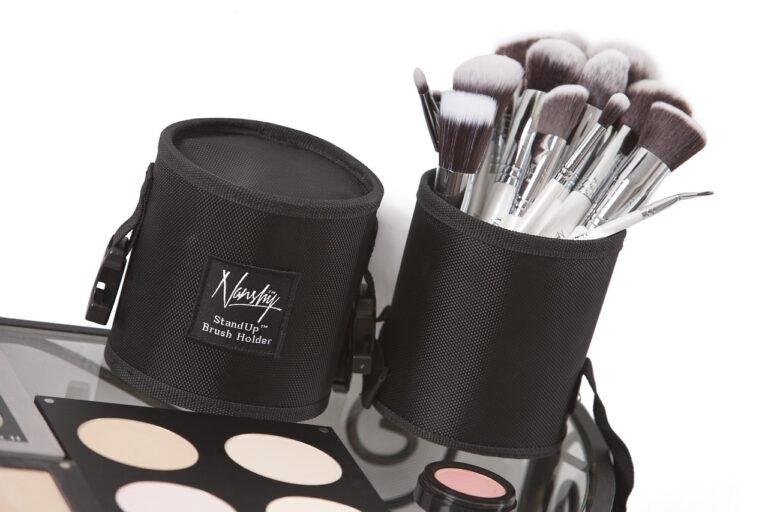
Using a fluffy powder brush, lightly dust translucent or skin-toned powder over your T-zone, under-eyes, and anywhere that tends to get oily. The goal is to eliminate shine without looking powdery. If you’re using the MAC Studio Fix powder foundation, you can skip this step since it’s already matte.
The Highlighting Step:
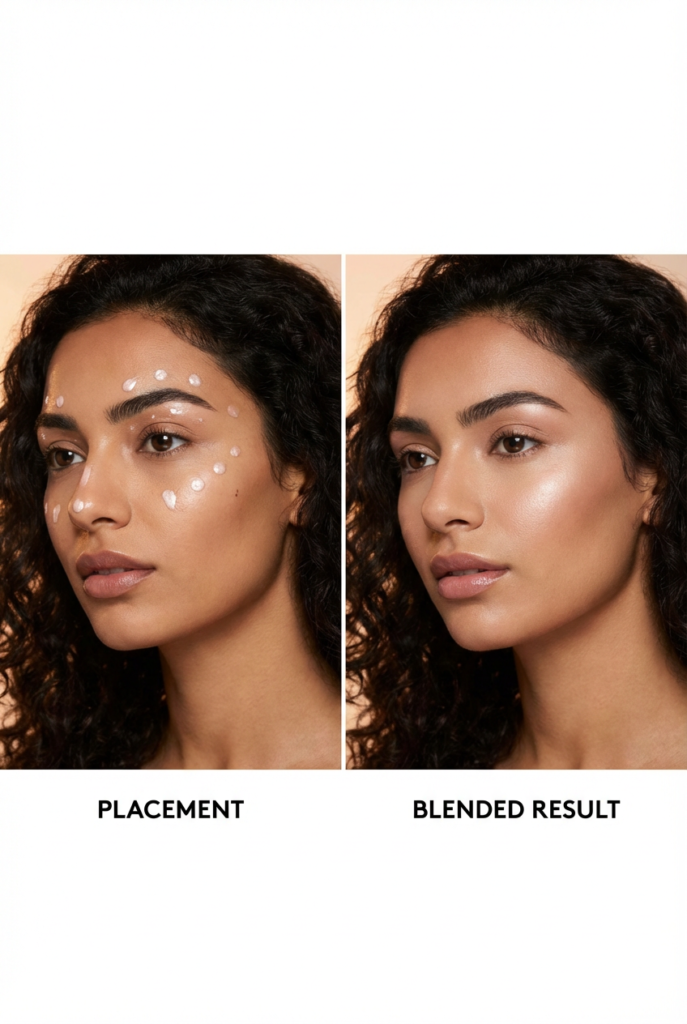
Now here’s the twist—you’re adding targeted luminosity back. MAC Skinfinish Lightstruck Liquid Highlighter is perfect for this. Dot it on the high points of your cheekbones, down the bridge of your nose, on your cupid’s bow, and on your brow bone.
The key is precision. You’re not going for Instagram highlight that can be seen from space—you want strategic light that creates dimension. Blend with your fingertips or a small, tapered brush until it looks like your skin is naturally luminous in those spots.
Step 5: Create Those Mannequin Lips
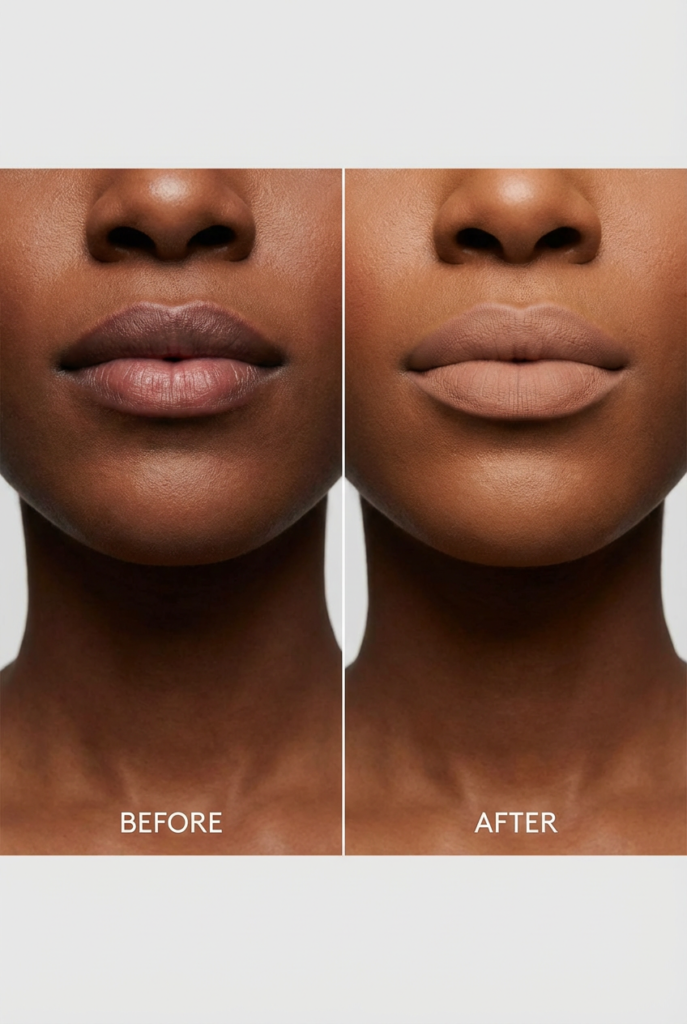
Traditional mannequin skin includes what’s basically 2000s-era concealer lips—nude, matte, barely-there. The idea is to neutralize your natural lip color so all the focus stays on that perfect skin.
How to Get Mannequin Lips:
Use a lip balm that visually neutralizes your lips. MAC Pro Lip Erase comes in different shades specifically designed to create this effect. Apply it all over your lips, then blot lightly with a tissue.
You can stop there for the full mannequin effect, or add a sheer nude gloss if you want something slightly more wearable for everyday. The point is your lips should fade into your face rather than stand out—they’re part of the overall canvas, not the focal point.
Step 6: Set and Seal Everything
The final step is crucial—you need a setting spray that locks everything in place without adding texture or disturbing that perfect blur you’ve created.
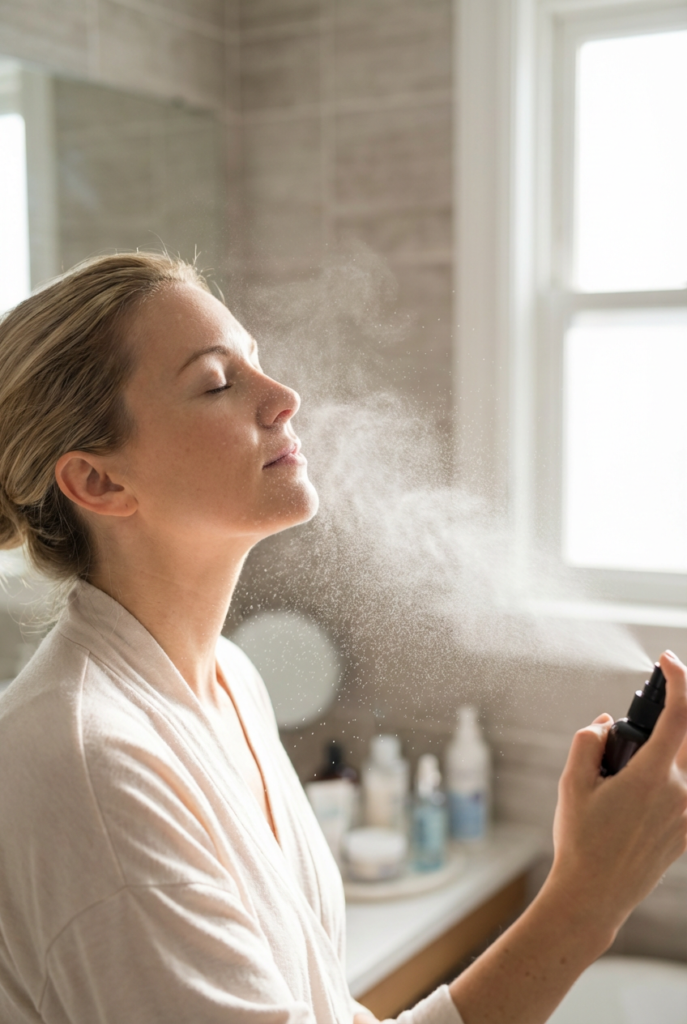
MAC Fix+ Original Setting Spray is the industry standard for a reason. Hold it about 12 inches from your face and mist in an X or T pattern. Let it dry naturally—don’t touch your face or fan it. This is what melts all the layers together into one cohesive, skin-like finish.
For longer wear, you can layer MAC Fix+ Stay Over on top, which locks makeup for up to 16 hours while protecting against blue light and pollution. Just wait about 30 seconds between sprays so the first layer can settle.
Who Can Wear Mannequin Skin?
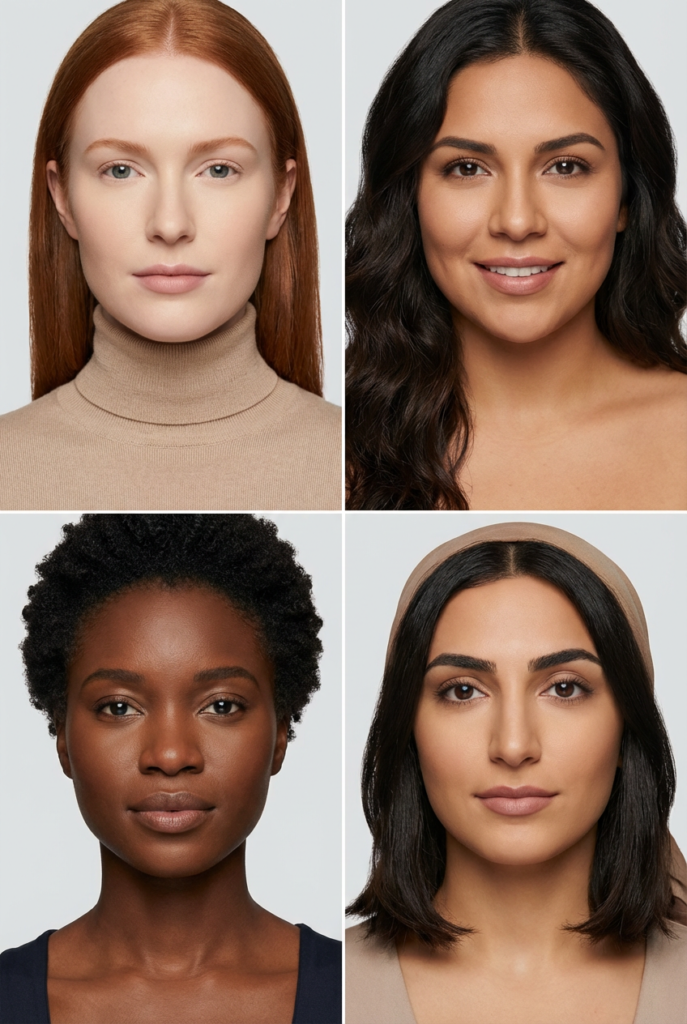
Here’s the beautiful thing about this trend—it works on literally every skin type and tone, you just need to adjust your approach.
For Oily Skin: You’re actually at an advantage here. The matte zones will stay matte longer, and you can be more generous with powder. Just make sure your skincare underneath is still hydrating—you want to control oil, not dehydrate your skin.
For Dry Skin: Focus on serious hydration in your prep, and go lighter on the mattifying powder. You might want to use a hydrating setting spray like Fix+ between every layer to keep things from looking cakey.
For Textured Skin: The blur primer is your best friend. Don’t try to completely erase texture—mannequin skin should show some real skin underneath. The goal is soft-focus, not Facetune.
For Darker Skin Tones: Make absolutely sure your powder doesn’t have any white cast or flashback. The MAC Studio Fix powder comes in 67 shades specifically to avoid that ashy look. And be generous with the liquid highlighter—it shows up gorgeously on deeper skin tones and adds that dimensional quality that makes the look work.
Making Mannequin Skin Wearable for Everyday
Let’s be real—full runway mannequin skin might be too much for grabbing coffee or going to work. But you can adapt this trend to be way more wearable while still getting that filtered-skin effect.
The Everyday Version:
- Skip the concealer lips and just wear a your-lips-but-better nude or a light gloss
- Use the blur primer only on your T-zone instead of all over
- Mix your foundation with a drop of liquid highlighter before applying for a more natural hybrid finish
- Add a touch of cream blush for some life and color (our post on The Ultimate Guide to Cream Blush: Application and Best Products has tips on this)
- Go lighter on the setting powder—just a touch where you really need it
The beauty of mannequin skin is that it’s scalable. You can go full editorial for special events and photos, or dial it way back for an elevated everyday look that still has that soft-focus magic.
Common Mannequin Skin Mistakes (and How to Fix Them)
Mistake #1: Too Much Powder
If you over-powder, you’ll end up looking cakey instead of smooth. The fix? Use a hydrating mist to re-melt everything together, then gently press (don’t rub) with a clean beauty sponge to blend.
Mistake #2: Wrong Foundation Formula
Super dewy foundations fight against the blur effect. Super matte foundations look flat and lifeless. You need that satin or blur-matte finish—it’s non-negotiable for this trend.
Mistake #3: Forgetting Skincare
You cannot fake good skin prep with this trend. If your skin is dehydrated or flaky underneath, the makeup will emphasize it. Do the skincare work first. Our Complete Beginner’s Guide to Building a Skincare Routine can help if you’re starting from scratch.
Mistake #4: Unblended Highlighter
Those liquid highlighter dots need to be seamlessly blended. If you can see where they start and stop, you’ve gone too heavy-handed. Less is genuinely more here.
The Future of Mannequin Skin
As AI continues to influence beauty standards and our relationship with filtered images, mannequin skin feels like both a commentary and a celebration. We’re so used to seeing ourselves through filters that we’re now recreating that effect IRL—but in a way that still celebrates real skin showing through.
Fashion week veterans predict this trend will stick around through 2026 and beyond, especially as products get better at creating that soft-focus blur without heavy silicones or chalky powders. The reformulation of products like MAC’s Studio Fix Foundation specifically for this aesthetic shows that major brands are investing in the trend’s longevity.
Plus, with everyone becoming their own content creator, having skin that photographs well is more important than ever. Mannequin skin is basically real-life ring light for your face—it diffuses imperfections while still looking like skin, not a mask.
The Bottom Line
Mannequin skin might sound intimidating, but honestly? It’s just about mastering the art of strategic blurring and highlighting. You’re not trying to erase your features or look like an actual mannequin—you’re creating this elevated, softly perfect version of your own skin that looks both futuristic and somehow timeless.
Start with good skincare, invest in a quality blur primer, and don’t be afraid to experiment with the matte-luminous balance until you find what works for your face. Like any trend, take what resonates and leave what doesn’t. Maybe you love the full editorial look, or maybe you just want to steal the primer technique for smoother-looking skin. Both are valid.
The beauty world is moving away from heavy, obvious makeup and toward this new aesthetic that’s about perfection with personality. Mannequin skin might be AI-inspired, but the way you make it your own is entirely human.
This post contains affiliate links. If you make a purchase through these links, I may earn a small commission at no extra cost to you. I only recommend products I genuinely believe in or have researched thoroughly. All product information was verified as of December 2025, but formulations and availability may change.