What Is Deinfluencing and Why It Matters for Your Beauty Budget
Let’s be real: your FYP is probably full of people telling you that you need the new Rare Beauty blush, that viral Dior lip oil, or whatever $68 serum just dropped. And honestly? We’re tired.
Enter deinfluencing—the trend that’s basically the internet telling itself to chill out and stop buying every shiny thing that pops up on TikTok. If you’ve been feeling broke, overwhelmed, or just kinda guilty about your overflowing makeup drawer, this one’s for you.
So What Actually Is Deinfluencing?
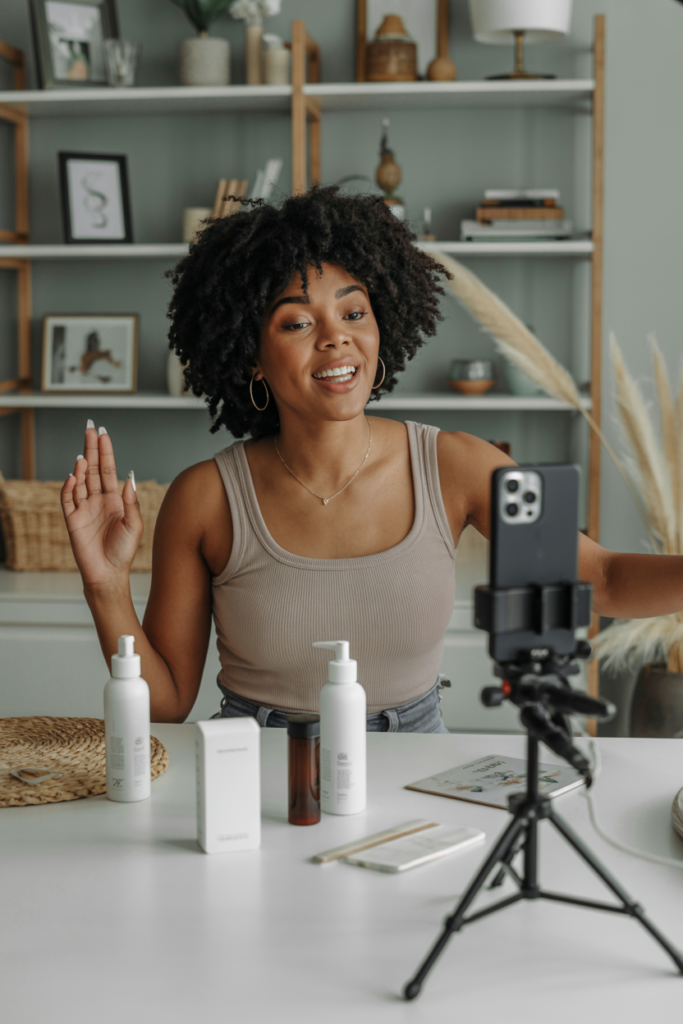
Deinfluencing is exactly what it sounds like: creators telling you what not to buy instead of constantly pushing products. It’s the anti-haul. The reality check. The friend who looks at your Sephora cart and goes “bestie, no.”
The trend blew up on TikTok in early 2023 when people started posting videos with titles like “products that are NOT worth the hype” and “save your money, don’t buy this.” It was refreshing, it was honest, and honestly, it was overdue.
Instead of the usual “omg you NEED this” energy, deinfluencing creators are like “actually, this $52 concealer performs exactly the same as the $8 one, so maybe don’t?”
Why Deinfluencing Exists (Hint: We Were All Spending Too Much)
Here’s the thing—influencer culture has been in overdrive for years. Every day there’s a new “must-have” product, a new “holy grail,” a new thing you apparently can’t live without. The beauty industry is worth billions, and a lot of that comes from making us feel like we’re missing out if we don’t buy the latest launch.
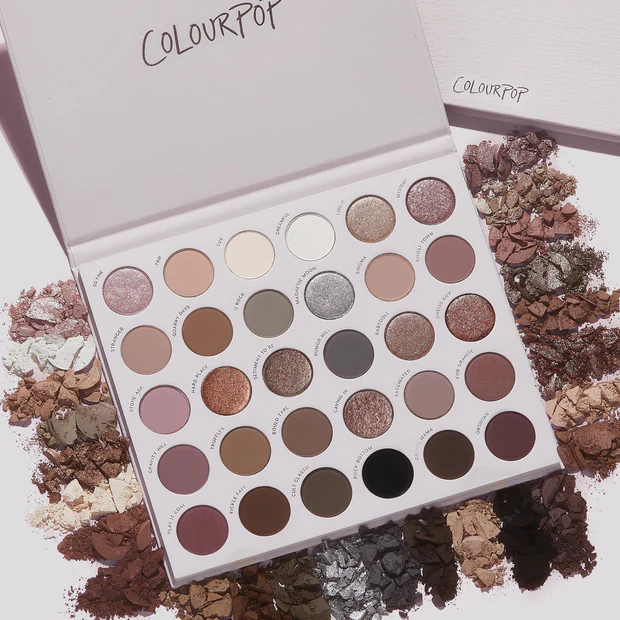
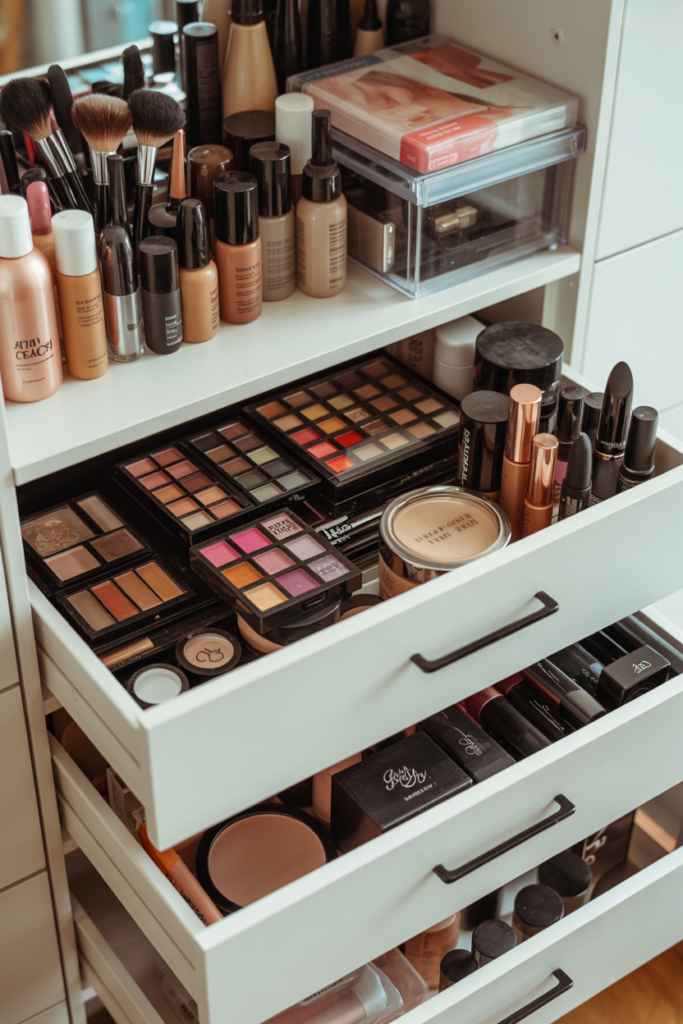
But then we all looked at our bank accounts and our massive PR-package-sized stashes and were like… wait. Do I actually need a fourth cream blush? Did I really need that $45 setting spray when my $12 one works fine?
The problem with traditional influencing:
Constant consumption: New products drop literally every week. It’s impossible to keep up, and it’s designed to make you feel behind if you’re not buying.
Overconsumption guilt: Gen Z is pretty eco-conscious, and we’re realizing that buying tons of stuff we don’t need isn’t great for the planet (or our mental health).
Influencer income: Let’s not forget that many influencers make money through affiliate links and sponsorships. When someone’s getting paid to promote something, their opinion isn’t exactly unbiased.
FOMO marketing: “Limited edition!” “Selling out fast!” “Everyone’s buying this!” It’s all designed to make you panic-purchase.
Unrealistic standards: When you see 47 different people with flawless skin using the same product, it’s easy to think that product is the key—when really, it’s probably lighting, filters, or just genetics.
How Deinfluencing Helps Your Wallet
Let’s talk money, because that’s really what this is about. The average person spends around $3,756 a year on beauty and personal care. That’s over $300 a month. And if you’re chronically online and susceptible to a good “add to cart” moment, you’re probably spending even more.
Deinfluencing helps you:
Break the hype cycle: Just because something’s trending doesn’t mean it’s good or worth your money. Deinfluencing reminds you to think critically before buying.
Discover what you actually need: When you stop buying everything, you start noticing what’s actually missing from your routine (spoiler: it’s probably nothing).
Find better alternatives: A lot of deinfluencing content focuses on dupes and affordable alternatives that work just as well as the expensive stuff.
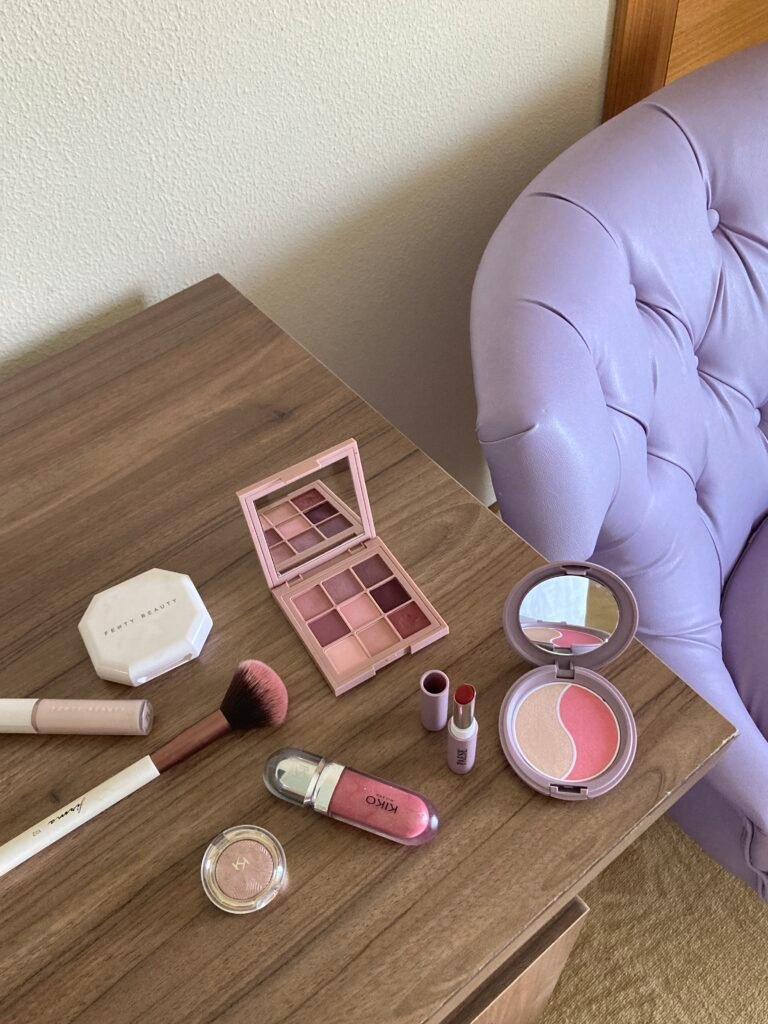
Shop your stash: You probably already own something similar to whatever’s being hyped. Deinfluencing encourages you to use what you have.
Avoid buyer’s remorse: There’s nothing worse than dropping $60 on something that doesn’t work for you. Deinfluencing helps you dodge those bullets.
The Most Deinfluenced Products (That Were Totally Overhyped)
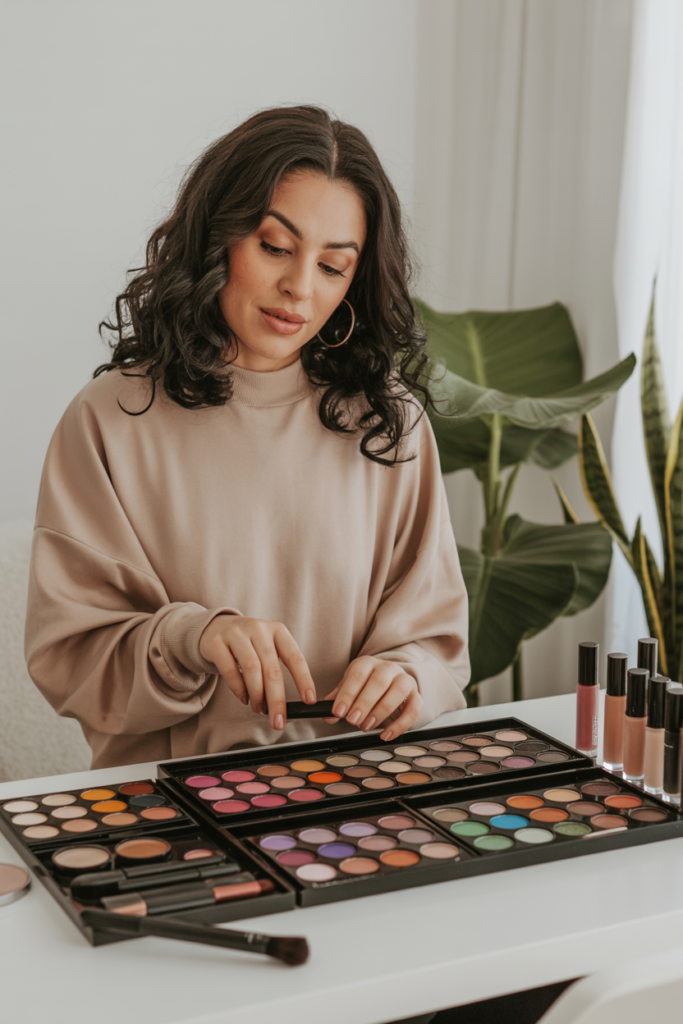
Every deinfluencer has their list of products that just aren’t worth it. Here are some common ones that come up again and again:
Charlotte Tilbury Pillow Talk Lipstick: Look, it’s pretty, but it’s also $35 for a lipstick that’s basically a my-lips-but-better nude. You can find a similar shade at the drugstore for $10. Try the Maybelline Color Sensational in Touch of Spice or the L’Oreal Colour Riche in Fairest Nude.
Drunk Elephant Protini Cream: At $68 for a moisturizer, this one hurts. And while it’s nice, it’s not doing anything your $20 CeraVe or Cetaphil can’t do. Unless you’re really into the aesthetic packaging (which, fair), skip it.
Dior Lip Glow Oil: It’s $40. For a lip oil. That’s literally just glossy hydration. The E.l.f. Glow Reviver Lip Oil is $8 and does the same thing, or grab the NYX Fat Oil Lip Drip for even more color payoff.
Too Faced Better Than Sex Mascara: It’s fine. It’s not life-changing. And it dries out fast, which means you’re repurchasing a $29 mascara way more often than you should. The L’Oreal Lash Paradise or Maybelline Sky High mascaras are both under $12 and perform just as well, if not better.
But Wait—Isn’t Deinfluencing Still… Influencing?
Okay, you caught on to the irony. Yes, deinfluencing is still a form of influence. People are still making content, still building followings, and in some cases, still making money off of telling you what not to buy.
Some critics argue that deinfluencing is just rage-bait or a way for creators to stand out in an oversaturated market. And honestly? Sometimes it is. But that doesn’t mean the core message isn’t valuable.
The point isn’t to blindly trust deinfluencers either. The point is to think for yourself, do your own research, and make intentional choices about what you buy.
How to Deinfluence Yourself (Yes, Really)
You don’t need someone else to tell you what not to buy. Here’s how to become your own deinfluencer:
Wait 48 hours before buying anything non-essential: If you still want it after two days, cool. If not, you just saved yourself some money and regret.
Unfollow accounts that make you feel bad about what you don’t have: If someone’s content constantly makes you want to shop, it might be time to hit that unfollow button. Your mental health and your wallet will thank you.
Make a list of what you actually use: Go through your collection and see what you reach for every day. Chances are, it’s like 10% of what you own. Focus on repurchasing those staples instead of chasing new releases.
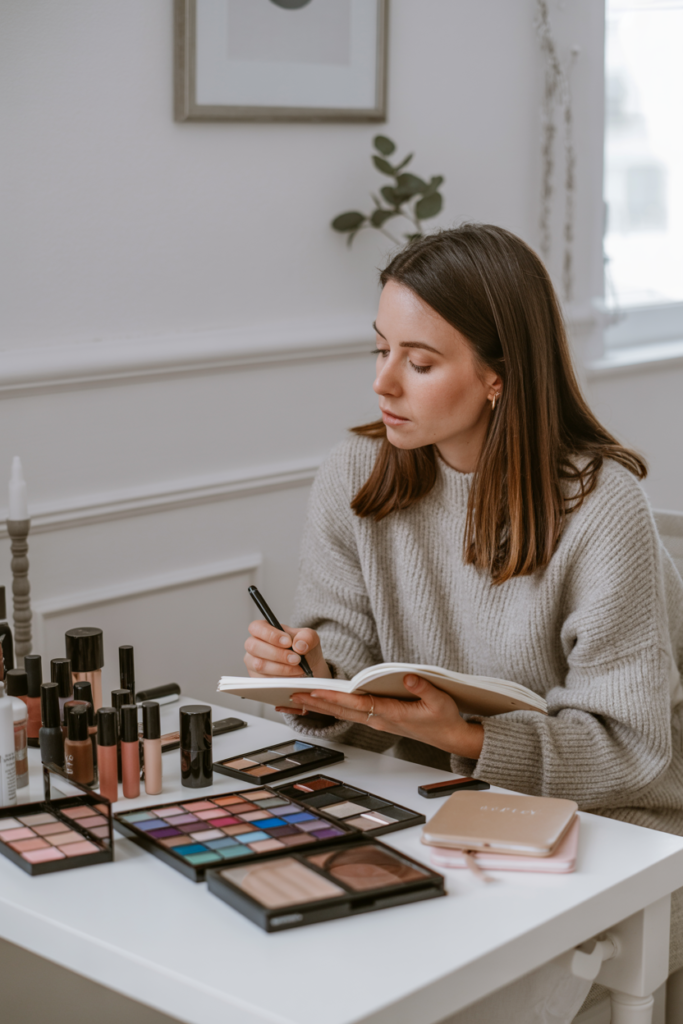
Ask yourself the tough questions: Do I need this, or do I just want it because I saw it online? Do I already have something similar? Will I actually use this, or will it sit in a drawer?
Check reviews outside of TikTok: Look at Reddit, YouTube reviews from smaller creators, or even Amazon reviews. Get multiple perspectives before you buy.
Set a monthly beauty budget: Decide how much you can realistically spend on beauty each month and stick to it. If something new comes out, you have to decide if it’s worth cutting something else.
Try project pan or a no-buy challenge: Commit to using up what you have before buying anything new. It’s eye-opening to see how long products actually last when you’re not constantly adding to your stash.
When It’s Okay to Ignore Deinfluencing
Here’s the thing: deinfluencing isn’t about never buying anything ever again. It’s about being intentional.
If you’ve done your research, you genuinely love a product, and you can afford it without stress? Buy it. Enjoy it. No guilt.
If makeup genuinely brings you joy and it’s your hobby, that’s valid too. Just make sure you’re buying things because you want them, not because the algorithm told you to.
The goal isn’t deprivation—it’s freedom from the constant pressure to consume.
The Bottom Line
Deinfluencing is a vibe check for beauty culture. It’s a reminder that you don’t need every viral product, that your worth isn’t tied to how much stuff you own, and that sometimes the best thing you can do for your skin (and your wallet) is absolutely nothing.
So next time you’re about to add something to your cart because a creator said it’s “life-changing,” take a breath. Check your stash. Sleep on it. And remember: the beauty industry will always be there, trying to sell you something. But your money? That’s yours to protect.
Now if you’ll excuse me, I’m going to go use the eight lip glosses I already own instead of buying a ninth one.
What are your thoughts on deinfluencing? Have you successfully talked yourself out of any hyped purchases lately? Let us know in the comments—we love hearing about your wins.